
Initial lab results show no rise in lead levels in drinking-water sources after the U.S. Army detonated five tonnes of degrading lead azide in southeast Iowa, the Environmental Protection Agency said Saturday.
- Army engineers carried out two simultaneous explosions Thursday at the Iowa Army Ammunition Plant near Middletown.
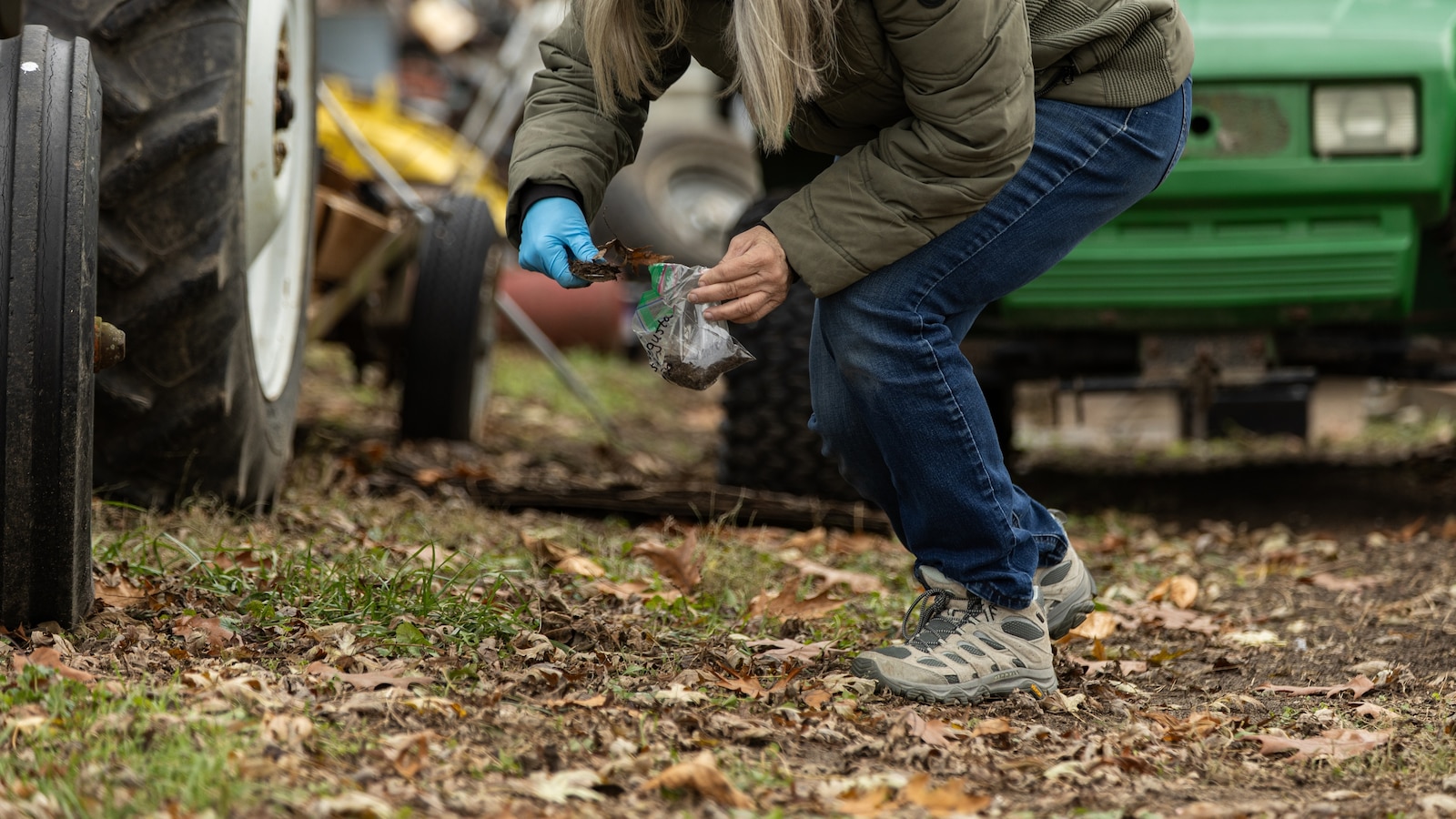
- About 300 EPA personnel collected more than 1,500 pre-blast samples and hundreds more afterward.
- Airborne lead was monitored for 30 consecutive hours using Xact systems.
- Over 3,200 total samples remain under analysis; validated results are expected in coming days.
Detonation details
The controlled demolition destroyed nearly 4,500 kilograms of lead azide stored in 68 deteriorating plastic drums at the Iowa Army Ammunition Plant, a farming town roughly 150 miles southwest of Des Moines, Al Jazeera reported. Army commanders said the stockpile had become unstable and risked an uncontrolled explosion as temperatures dropped, making immediate detonation the safest option.
EPA findings show no lead increase in drinking water
EPA teams sampled schools, playgrounds, churches and homes across the region on Thursday. The agency posted initial results Saturday showing no increase in lead in water bodies that supply drinking water.
“The EPA monitored for the presence of airborne lead for 30 consecutive hours after the controlled detonation using the Xact air monitoring system. We will continue to provide updates in the coming days as new lab results for over 3,200 air, soil, dust and water samples … return and get validated,” the EPA posted on X.
Transparency criticism
Residents and some elected officials have criticized the Army for limited advance notice. Middletown locals were informed, but broader public awareness and official briefings largely came days before the blast, according to Al Jazeera and ABC News. Independent experts welcomed the early air readings but cautioned that soil, water and surface sampling — which takes longer — will determine the true extent of lead fallout.
What remains unknown
Validated results for the full suite of more than 3,200 samples are still pending, and the EPA has not set a firm date for their release.
Related reading

Jean-Pierre Lambert Describes His Evolution From Gallery Owner to Photographer
In a personal essay for The Eye of Photography Magazine, Jean-Pierre Lambert describes how his photographic practice evolved...

Pat Woods Calls for Full Accounting of New Mexico Clean Energy Mandate Costs
New Mexico Senate Republican Whip Pat Woods argues in a column for Organ Mountain News that the state's...
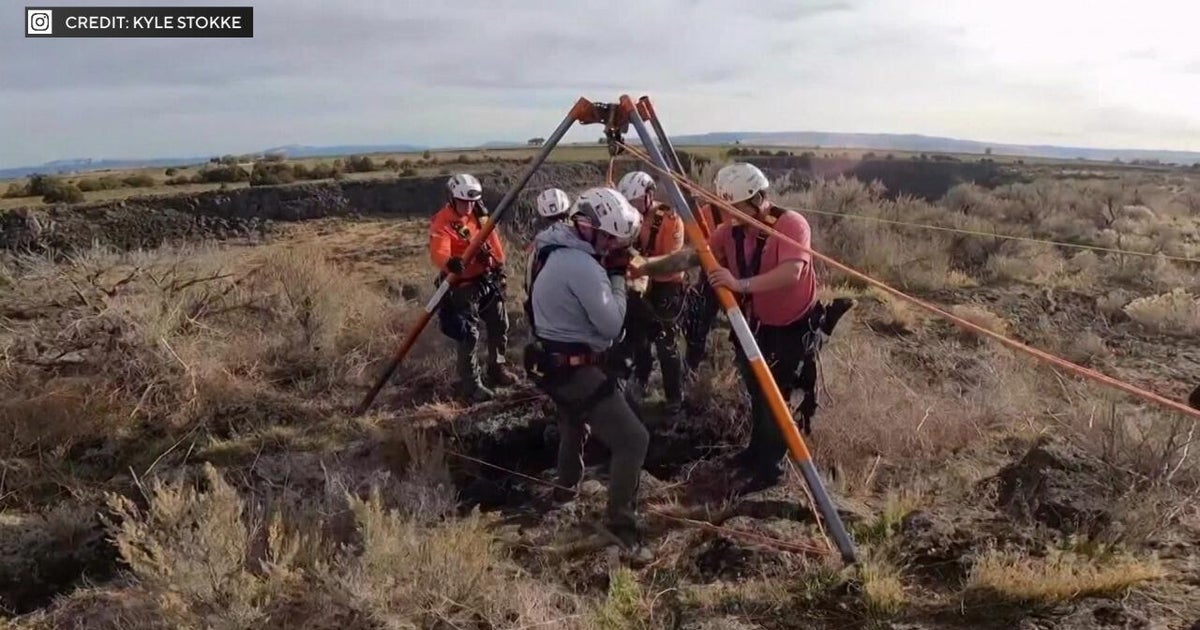
Minnesota Hunter’s Dog Survives 60-Foot Fall Into Idaho Crevice, Rescued by Paramedics
A Minnesota hunter's dog survived a 60-foot fall into an Idaho crevice and was rescued by paramedics after...

Manufactured Home With Black River Frontage in Albany, Vermont, Sells for $55,000
A manufactured home at 13 Center Hill Road in Albany, Vermont, sold for $55,000 on September 4, according...