
A former Massachusetts police detective will serve a mandatory life sentence after being convicted of murdering Sandra Birchmore, a pregnant woman he allegedly strangled to prevent her from exposing their past.
Matthew Farwell, 40, was found guilty Tuesday in federal court in Boston for the death of the 23-year-old, Western Mass News reported. The conviction follows a nearly monthlong trial involving approximately 50 witnesses and 500 exhibits, a legal process that moved to the federal level because local prosecutors never brought criminal charges against him.
The jury’s decision brings a conclusion to a case that investigators initially mismanaged. When Birchmore was found dead on February 1, 2021, Massachusetts State Police investigators concluded she had committed suicide. They described the scene as involving a “troubled girl who killed herself,” noting she was found slumped on her apartment floor with a strap around her neck.
A failed initial investigation
Federal prosecutors argued that the original local probe was rushed and fundamentally compromised. According to trial testimony, investigators failed to follow critical leads or conduct basic forensic procedures. When Farwell was interviewed in a parking lot, the meeting lasted only 15 minutes; officers reportedly took no notes, failed to examine him for injuries, and did not collect a DNA sample.
The FBI took over the case in 2023, prompted by a former deputy chief at the Stoughton Police Department who had previously led an internal affairs investigation into Farwell.
This new investigation uncovered a massive digital trail, including roughly 40,000 text messages between Farwell and Birchmore. Some of these messages included references to sexual encounters when Birchmore was 15 years old, an age that falls below the legal threshold for consent under Massachusetts law.

The digital evidence also painted a picture of a high-conflict relationship. Texts from late 2020 showed the pair arguing over Farwell’s involvement in the life of Birchmore’s unborn child. While a paternity test conducted after her death revealed a different man was the father, the messages established a pattern of intense, contentious communication.
Contradicting medical testimony
The trial featured a sharp divide between medical experts regarding the nature of Birchmore’s death. Prosecutors presented testimony from Dr. William Smock, who stated that Birchmore’s injuries indicated she had struggled before being strangled with a duffel bag strap.
The defense countered this with testimony from Dr. Thomas Andrew, the former chief medical examiner in New Hampshire, who disputed the determination that the death was a homicide. Farwell’s legal team maintained that Birchmore had a history of threatening suicide and that she ended her own life after Farwell visited her apartment to end their relationship.
The timing of Farwell’s presence at the scene was a central point of contention. A digital forensics expert testified that Birchmore’s phone stopped moving just three minutes before a lobby security camera recorded Farwell leaving her building on the night she died.

The timeline of the relationship
The connection between the detective and the victim spanned years, rooted in a Stoughton Police Department youth program where Birchmore participated as a child. The legal battle highlighted the power imbalance inherent in their history, as Farwell’s lawyers acknowledged an affair took place but argued it began when Birchmore was 16, making it legal under state law.
The timeline of the tip that triggered the initial scrutiny strengthened the prosecution's case. Farwell was found guilty of the killing that occurred just 12 days after a tipster informed the suburban Boston police department where he worked about an improper relationship between the officer and Birchmore.
While the state’s medical examiner initially ruled the death a suicide based on early police reports, the office has since updated the official manner of death to “undetermined.”
The conviction marks a rare instance of federal intervention after local authorities failed to pursue criminal charges despite internal red flags regarding a police officer's conduct.

NCHC Suspends Western Michigan’s Adam Benák After Slash on UND’s Cody Croal
NCHC suspends Adam Benák for one game The National Collegiate Hockey Conference has issued a one-game suspension to...
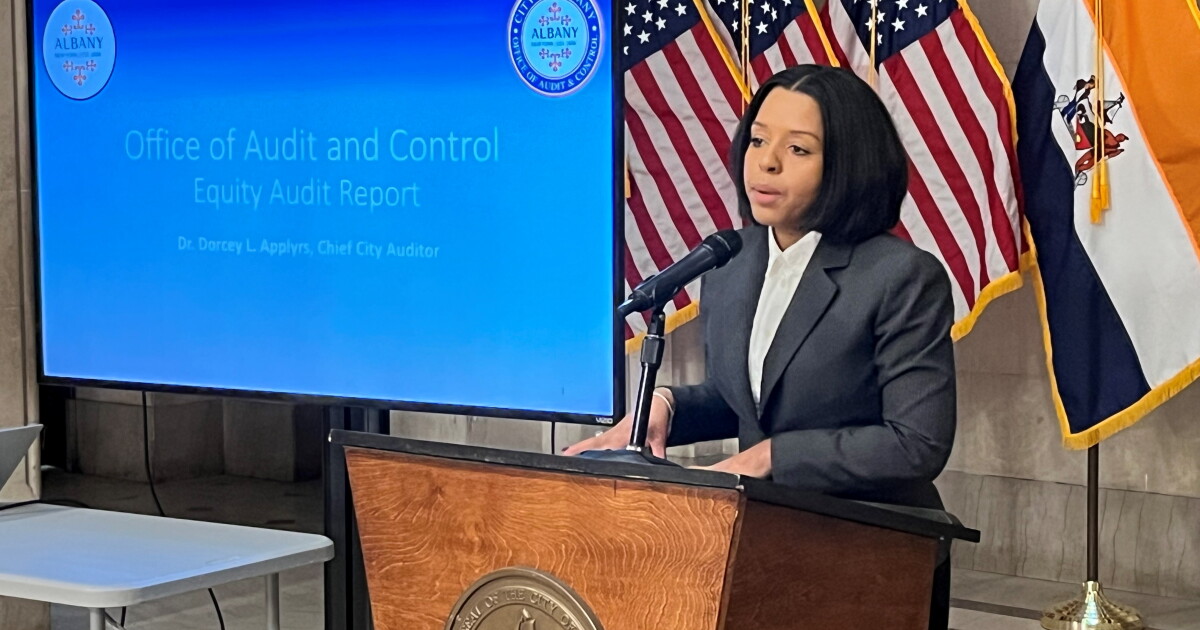
Albany Mayor Defends Puerto Rico Trip Amid City Budget Crisis
Mayor Applyrs defends Puerto Rico trip amid budget deficit Albany Mayor Dorcey Applyrs is defending her decision to...

Animal Welfare Department Waives Adoption Fees for Veterans
The City of Albuquerque Animal Welfare Department is waiving adoption fees for all veterans, active-duty service members, reservists,...

Mauricio Pochettino Linked to Manchester United Manager Role
Mauricio Pochettino is emerging as a frontrunner to replace Michael Carrick as the manager of Manchester United, FOX...