
Spanning roughly 10,000 acres along a 35-mile stretch of the Mouse River upstream from Minot, the Upper Souris National Wildlife Refuge provides breeding grounds for migratory birds and stopover habitat during spring and fall migrations, according to Prairie Public.
Established in the 1930s, the refuge consists of mixed-grass prairie, wooded coulees, bottomlands, meadows and marshes near Grano.
The American Bird Conservancy has designated the refuge as a Globally Important Bird Area. It has also been designated critical habitat for the threatened piping plover and has occasionally served as a stopover for migrating whooping cranes.
More than 250 bird species are found on the refuge, including waterfowl, shorebirds, raptors and songbirds, according to the U.S. Fish and Wildlife Service. Waterfowl commonly seen nesting include gadwalls, blue-winged teal, mallards and Canada geese.
Named for J. “Ding” Darling — a Pulitzer Prize-winning cartoonist for the Des Moines Register who became the first director of the Bureau of Biological Survey in 1934, designed the first duck stamp and was instrumental in forming the National Wildlife Federation — the lake is also a well-known fishery for jumbo perch, walleye and northern pike.
The Upper Souris National Wildlife Refuge was one of seven locations in North Dakota selected for extensive butterfly research, according to the U.S. Fish and Wildlife Service. The agency notes that habitats across the refuge support species such as the swallowtail butterfly.
Beyond lepidoptera, the refuge hosts a wide variety of mammals including moose, deer, fox, porcupine, ground squirrels and bats.
The U.S. Fish and Wildlife Service reports that nine different owl species are found in North Dakota and occur on the refuge as migratory birds of prey. Hawks, eagles and falcons are also present, with the agency describing raptors as excellent predators equipped with strong grasping feet, sharp talons, hooked beaks and superb vision.
Upland game birds including sharp-tailed grouse, partridge and pheasant occupy the grasslands, while waterfowl commonly seen nesting include gadwalls, blue-winged teal, mallards and Canada geese.
Upper Souris National Wildlife Refuge was established by Executive Order on August 27, 1935, by President Franklin D. Roosevelt “as a refuge and breeding ground for migratory birds and other wildlife,” with Civilian Conservation Corps and Works Project Administration crews building dikes and roads from 1935 to 1941.
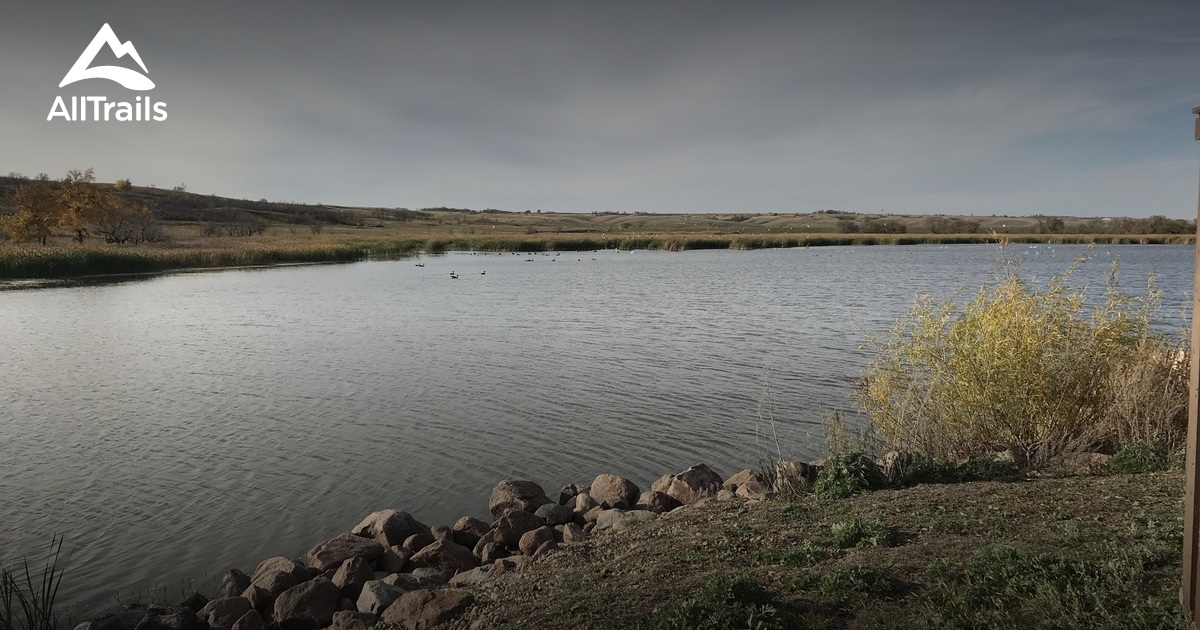
The 32,092-acre refuge anchors the Central Flyway’s Souris River corridor, its 9,600-acre Lake Darling — created by the 1936 Lake Darling Dam — storing a two-year water supply to sustain downstream wetlands and support drought and flood management.
Designated a Globally Important Bird Area by the American Bird Conservancy, the refuge provides critical habitat for the threatened piping plover and serves as a stopover for migrating whooping cranes.
Mammals on the refuge include moose, deer, fox, porcupine, ground squirrels and bats, according to the Fish and Wildlife Service. The refuge was one of seven sites in North Dakota that underwent extensive butterfly research. Reptiles and amphibians such as frogs, snakes, salamanders and turtles inhabit all areas.
Upland game birds include sharp-tailed grouse, partridge and pheasant. Marsh birds include the great blue heron, American bittern and egret, while nine owl species and other raptors such as hawks, eagles and falcons are also present.
Related reading

Humane Society of Central Oregon Serves Thanksgiving Feast to 30+ Shelter Animals, Highlights Need for Support
"We want every animal to be in a loving home for the holidays. If that's not possible, we...

CMMC Suspends Nurse After Town Hall Testimony; Union Calls It Retaliation
RN April Potvin was suspended Tuesday, Nov. 25, after addressing a Nov. 17 town hall on staffing and...

New Orleans Pilots New Approach to Redevelop Tax-Delinquent Properties in Central City and Lower 9th Ward
New Orleans is piloting a new approach to redevelop tax-delinquent properties in Central City’s Hoffman Triangle and the...
Arkansas Times Columnist Criticizes Trump’s Putin ‘Friend’ Claim
In a column for the Arkansas Times, the author argues that President Donald Trump’s description of Vladimir Putin...