
During Thanksgiving week, NPR Brian Mann reported from Philadelphia’s Wissahickon Valley, a rocky gorge framed by cliffs that cuts through the city of 1.5 million people.
Mann began his hike at rush hour, descending steep ridges through late autumn foliage — rich yellows and reds — as the sound of nearby highways faded within minutes. “This is Wissahickon Valley, a rocky gorge framed by cliffs. There are apartment buildings and highways in every direction, but you’d never know it,” Mann said in his audio postcard broadcast on NPR.
On the riverbank, Mann encountered Wiley Corlett, who said he has been fishing the Wissahickon for his entire life. Corlett was casting for trout but emphasized that the real attraction is the wildness.
“I think I love that we’re a city that has, you know, just a massive natural area like this, so close to everything. You can truly shut down the sounds of the city when you’re here,” Corlett said.
Scott Detrow opened the segment by listing the usual associations with Philadelphia — American history, sports teams and their fans, cheesesteaks — before introducing Mann’s report. Detrow said that during Thanksgiving week, Mann found something he did not expect in the city: a wild place with rugged forests and waterfalls.
Scott Detrow opened the segment by listing Philadelphia’s famous attributes before Brian Mann detailed his unexpected hike through the wild Wissahickon Valley.
Mann began his hike at rush hour, acknowledging it seemed like a crazy way to start, but noted the winding trail sits right in the heart of the city.

The trees were flush with birds, and in places the rocky trail took him through water, requiring him to cross a creek with a little rock hopping. Mann identified the area as Wissahickon Valley, a rocky gorge framed by cliffs where apartment buildings and highways exist in every direction, yet go unnoticed.
Wissahickon Valley survived as wilderness because its steep, wooded gorge — where inclines rise more than 200 feet above the creek — made development impractical, preserving a feeling of remoteness even as Philadelphia grew to 1.5 million people around it. In its last 7 miles the stream drops over 100 feet, creating rugged topography that later attracted thousands of walkers, equestrians, and bicyclists to what became Wissahickon Valley Park.
The valley’s park history began when the city incorporated the gorge into the Fairmount Park system, protecting 1,372 acres along the creek. The area gained recognition as one of 600 National Natural Landmarks of the United States, and its dramatic scenery drew writers such as Edgar Allan Poe and John Greenleaf Whittier.
A half mile farther along the trail, Mann met Alex Rodriguez and Don Hines, both newcomers to Philadelphia who had just discovered the valley. They reached the trail by city bus for $2. “And it’s really easy to get over here. We just took the bus, $2,” Rodriguez said. “What a beautiful little detour away from city life,” Mann said.
Keep reading

Colorado College Opens Home Schedule Hosting All-Academic Classic
Colorado College Men's Basketball kicks off their home slate this weekend by hosting the All-Academic Classic, welcoming WashU,...
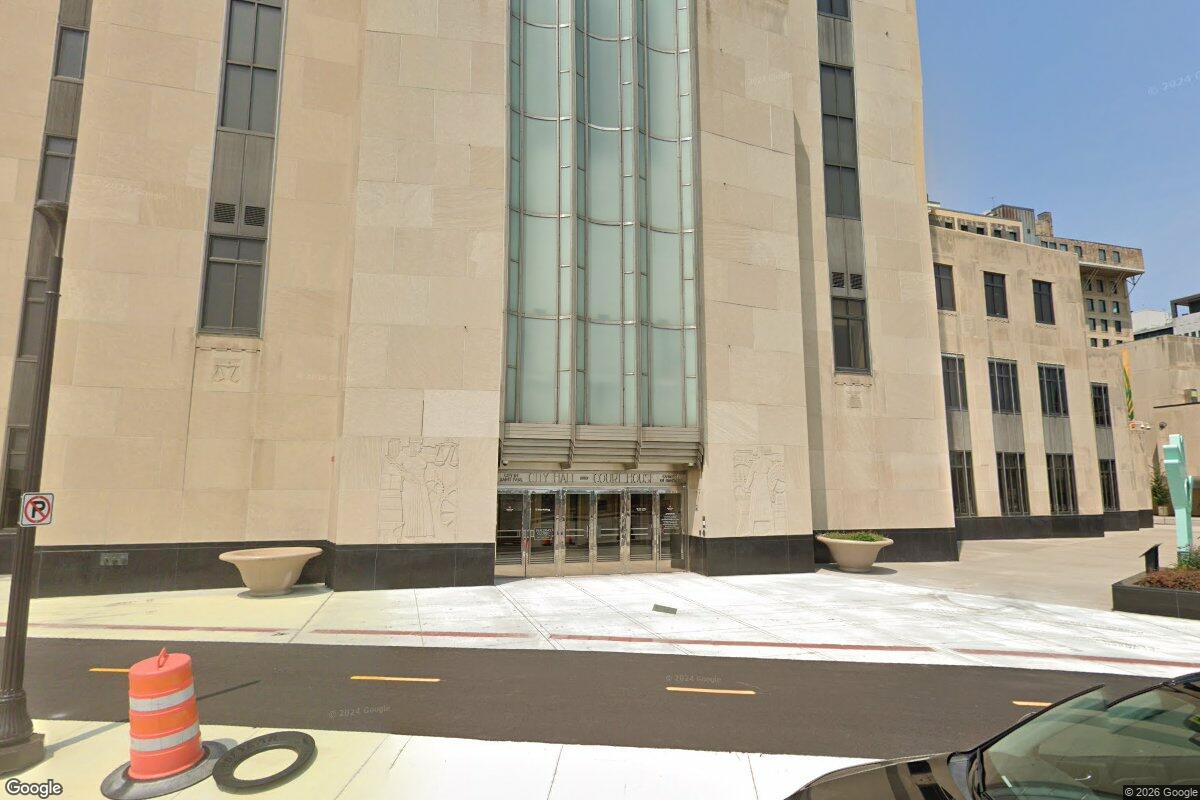
Saint Paul Man Charged With First-Degree Arson in May House Fire
A Ramsey County complaint filed November 23 charges 38-year-old Royale Romeo Harris with first-degree arson in a May...
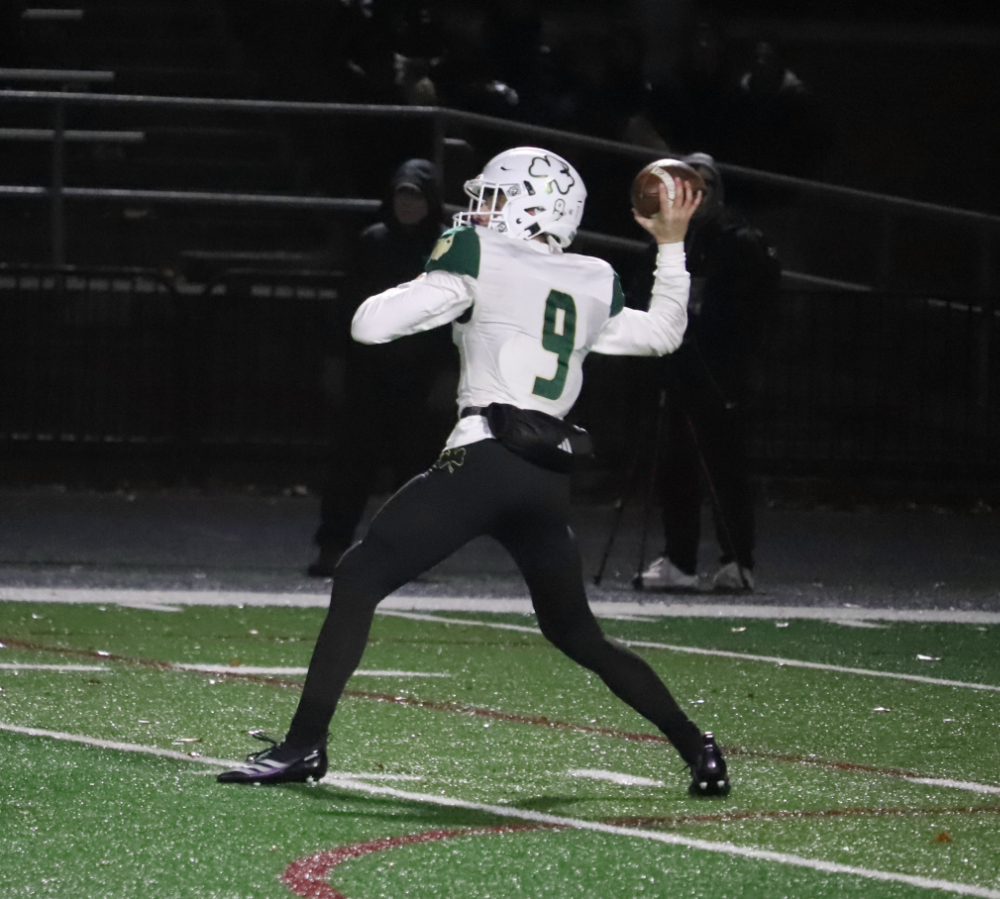
Ricchiuti’s OT Field Goal Sends Ursuline to Division III State Title Game
Ursuline kicker Antonio Ricchiuti drilled a 34-yard field goal in overtime to beat Steubenville 10-7 on Friday at...

Peter Dewey Says Mavericks Clinched NBA Cup Knockout Stage Spot
Dallas won 11-4 when Kyrie Irving played this season. The Mavericks defeated the Phoenix Suns on Tuesday. Phoenix...