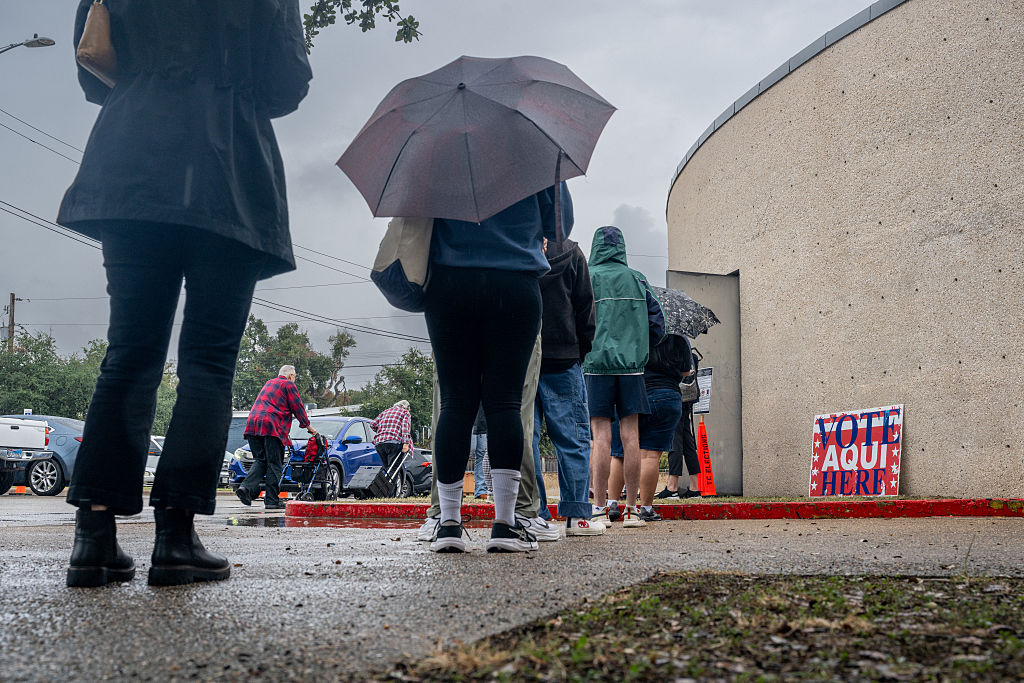
A federal judge in Texas dismissed a Republican lawsuit on Tuesday that sought to block certification of the state’s midterm election results unless every paper ballot was hand-counted. U.S. District Judge Matthew Kacsmaryk ruled the plaintiffs lacked standing, calling their cybersecurity claims “speculation layered on speculation.”
Who filed the suit and what they wanted
The Potter County Republican Party and its chairman, Daniel Rogers, filed the lawsuit on October 27 against Potter County Elections Administrator Christy Benge. They argued Texas electronic voting systems were vulnerable to artificial intelligence, foreign interference and hacking, making existing post-election audits constitutionally inadequate, Democracy Docket reported. The complaint asked the court to certify a statewide class of election administrators to enforce any ruling across Texas.
Why the judge rejected the hacking claims
Kacsmaryk, who was appointed by President Donald Trump, wrote in a 13-page decision that the plaintiffs failed to demonstrate adversaries had ever affected a single ballot in Texas. “The argument is speculation layered on speculation,” he wrote.
The judge concluded the Republicans lacked standing — the legal requirement to show a concrete, personal injury — and that their security concerns were shared by voters generally rather than being specific to the plaintiffs, according to Democracy Docket.
How the case shifted after election day
On November 14, the plaintiffs amended their complaint to add Republican congressional candidate Alexander Hale, who lost to incumbent U.S. Rep. Lizzie Fletcher (D) in Texas’ 7th Congressional District, garnering about 27% of the votes, Democracy Docket reported. They shifted their argument from hypothetical hacking to alleged inconsistencies in how Texas counties investigate discrepancies between voter records and ballot totals, claiming unequal treatment under the Fourteenth Amendment.
Why the equal-protection argument failed
“The Court is perplexed by the entire argument: different procedures for investigating possible discrepancies do not mean ballots carry different levels of weight across the state,” Kacsmaryk wrote. He said the argument could only hold if plaintiffs showed an election custodian failed to detect or correct an actual error.
The judge found discrepancies cited in Harris, Dallas, Randall and Lubbock counties insufficient to establish injury in Potter County, and noted Hale’s district does not include Potter County, Democracy Docket reported.
Judge invokes Article III limits on judicial power
Kacsmaryk wrote that the case “cannot be a Trojan horse for circumventing Article III’s most basic limitation on judicial power,” referring to the constitutional provision that restricts federal courts to real disputes between parties who have been harmed.
The judge also rejected the plaintiffs’ attempt to establish standing through Hale, noting his congressional district does not include Potter County.
Appointed by President Donald Trump in 2017 and sworn in as a United States district judge for the Northern District of Texas in 2019, Matthew Kacsmaryk previously served as an assistant United States attorney in that same district from 2008 to 2013, where he was lead counsel in over 75 criminal appeals and co-counsel in high-profile terrorism trials.
From 2014 to 2019, he worked as deputy general counsel for First Liberty Institute, a conservative Christian legal organization focused on religious-liberty litigation.
What happens next for Texas certification
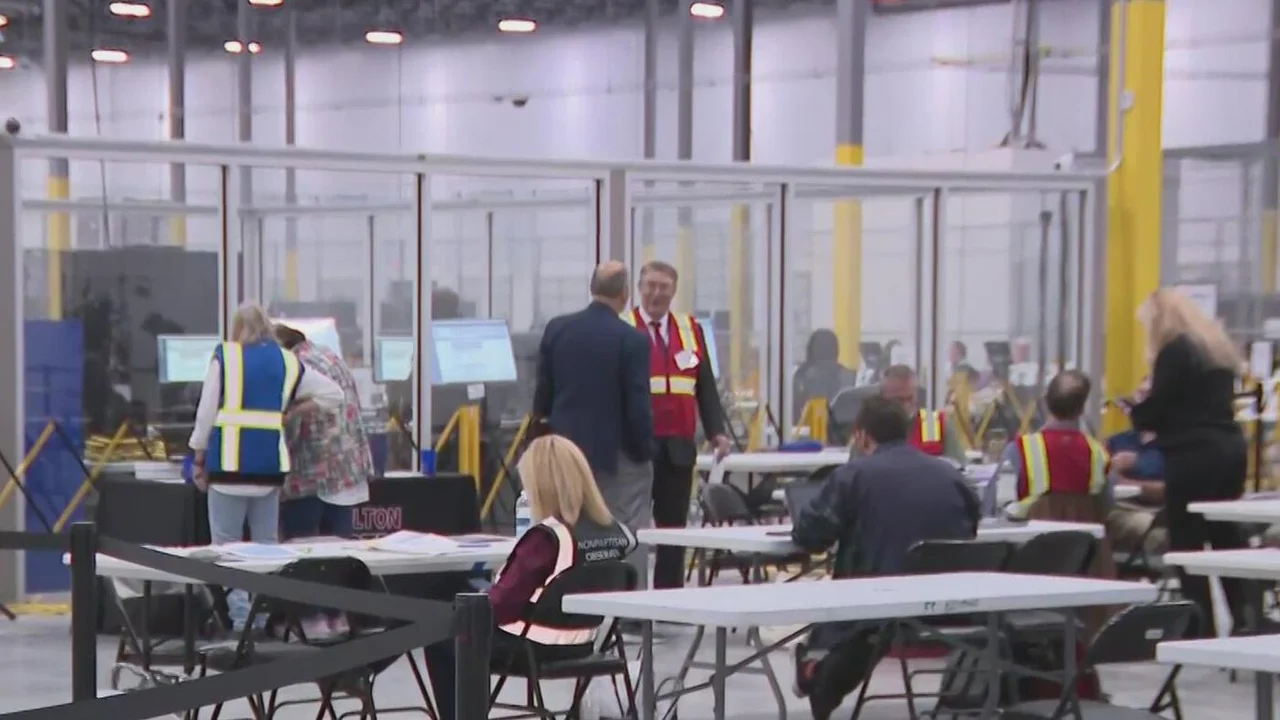
The case was dismissed without prejudice, meaning plaintiffs could file again. Kacsmaryk also dismissed pending motions, including the request for a preliminary injunction to halt certification. With the lawsuit dismissed, Texas is expected to certify its election results in the coming weeks. Local runoff elections are scheduled for December 12, with early voting from November 30 to December 8, according to the Texas secretary of state’s office.
Keep reading

Boise, Caldwell Turkey Day 5K Returns Thanksgiving Morning to Support Local Charities
The Turkey Day 5K returns to Boise and Caldwell on Thanksgiving morning, Thursday, November 26, with both races...

MSquared Breaks Ground on 134-Unit Affordable Redevelopment at 665 New York Avenue
Construction was underway on the redevelopment of 665 New York Avenue in Prospect Lefferts Gardens, Brooklyn, with a...

NJ Appellate Court Upholds Firefighter PTSD Pension Denial Over Paperwork
A New Jersey appellate court on Nov. 20 upheld the denial of disability pension benefits for Atlantic City...

Omaha Firefighters Work Holidays Balancing Calls and Family Time
"We're here for someone else, not us," Omaha Fire Battalion Chief Kurt Theiler said. Omaha firefighters are working...