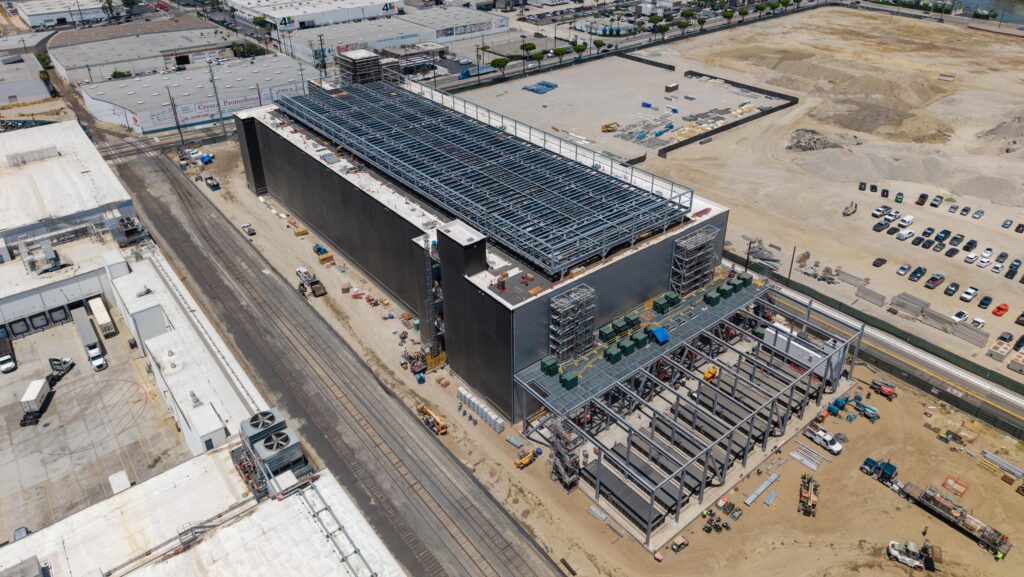
PBS KVIE reporter Felicia Alvarez answered reader questions about data center growth in the Sacramento region, detailing the scale of proposed projects, environmental impacts, and the roles of local utilities and governments. At least 24 smaller sites already operate in the area, and a planned 300-megawatt project in Southeast Sacramento would draw power comparable to the city of Roseville.
What the facilities look like
Alvarez described the facilities as windowless, plain-looking office buildings with rows of processing equipment and few employees on the floor. They need extensive cooling systems to run nonstop.
“Whenever you browse the internet, place a Friday night pizza order, upload photos to social media, check emails at work … you're relying on a datacenter operating somewhere in the world,” Microsoft said on its informational website.
AI’s role in driving demand
Artificial intelligence has pushed larger demand for data centers because the facilities are trying to do more computational work, Alvarez said. She noted the Sacramento region is considered seismically sound, which companies view as an advantage for protecting infrastructure against natural disasters.

Heat and grid reliability
Public records reviewed by Alvarez show SMUD planners and a company considering a Sacramento project have discussed heat impacts. Data centers must run 24/7 and require a reliable grid that will not falter during rolling blackouts or intense heat waves that spike energy demand.
Drinking water concerns
The answer is currently theoretical and a focus for future reporting, Alvarez said. Leaders she interviewed pointed out that California’s environmental regulations differ from other states where headlines have warned of drinking water turning brown. Any project with massive water demand would face extensive vetting by environmental regulators, though without such safeguards the situation could become intense.
Why the topic divides communities
Alvarez attributed the division to the cultural and economic shifts accompanying AI. Some facilities can span the size of football fields and use 5 million gallons of water per day, a scale that triggers neighborhood concerns similar to a stadium or new housing development but with greater magnitude. Residents fear threats to safety, changes to their neighborhoods, and financial impacts, while viewing AI itself as an existential threat.
Information gaps persist
The picture remains unclear, Alvarez said. Link Logistics, one of the nation’s larger warehouse operators, is considering the region, but companies are not yet speaking with her and local cities have shared limited information.
She emphasized that reporting has focused on SMUD, but the utility does not have the power to approve or deny a data center on specific land — that authority rests with local city council or local board of supervisors.
SMUD offers low rates and requires data centers to fund infrastructure
SMUD has some of the cheapest electricity rates in the state, attracting company interest. Should a city or county greenlight a data center, SMUD would be obligated to connect it. SMUD is trying to figure out how to accommodate something that is this big?
SMUD is early in developing its policy for large projects. Its stated top priority is that data centers “pay their own way,” meaning new infrastructure would be funded by the companies rather than residents and small businesses.
Environmental impacts
The facilities generate a constant industrial hum due to 24-hour operation, Alvarez said. Without environmental regulation, some companies discharge wastewater back into water systems. The overall impact depends on the energy source; SMUD is primarily powered by natural gas and renewable energy, but the exact local picture remains unknown.
Outstanding questions for companies
Alvarez wants to know the specific services these companies would provide, drawing a distinction between an outfit handling AI computations for cancer technology and one managing back-end data for YouTube. Understanding the purpose of the facilities is a key outstanding question, she said.
FAQs: Sacramento Data Center Expansion
How many data centers currently operate in the Sacramento region?
At least 24 smaller sites are currently in operation — some since 2000.
How large is the proposed Southeast Sacramento project?
Plans are brewing for a 300-megawatt project in Southeast Sacramento.
Who approves a data center project in Sacramento County?
The decision rests with your local city council or your local board of supervisors.
What is SMUD’s rate policy for large industrial users?
The top priority it’s been releasing is data centers “pay their own way.”
Related reading

USDA Awards $100 Million to Columbia River Nitrogen for Fertilizer Expansion
Columbia River Nitrogen will receive $100 million from a new U.S. Department of Agriculture grant program to expand...
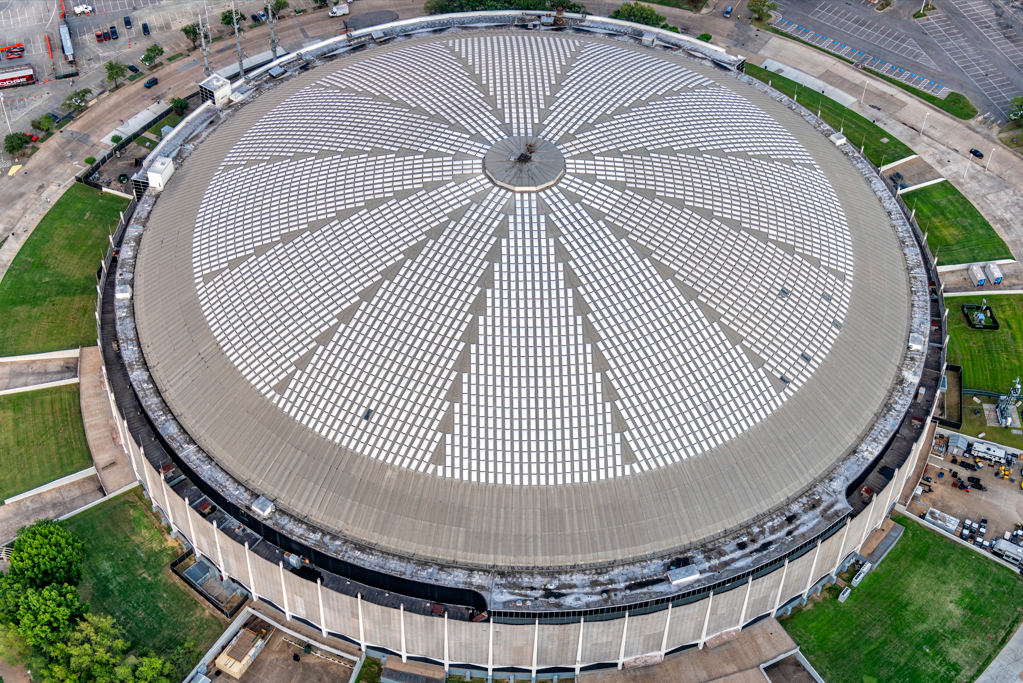
Astrodome Conservancy Says It Earned Spot in Talks, County Disputes RFI Claim
"The County has been kicking the can down the road for years, claiming they don't have funds to...

Nebraska High School Football Faces Transfer Surge Eroding Competitive Balance
High school football in Nebraska is confronting a surge in player transfers — including out-of-state moves and roster...
Gov. Kathy Hochul Signs Bill Banning Car Subscription Fees, Effective Feb. 27, 2027
Gov. Kathy Hochul signed a bill on Monday banning automakers and dealers from charging subscription fees for features...