
Fitch Ratings affirmed Zambia’s Long-Term Issuer Default Ratings at “B-” with a Stable Outlook on Thursday, citing high debt and liquidity risks offset by robust growth and rising reserves.
High yields on domestic debt and a growing share of domestic borrowing push the interest-to-revenue ratio to an average of 27% over 2026–2028, well above the “B” median of 14%, Fitch said. The agency noted Zambia re-introduced long-term benchmark bonds in April 2026 and expects lengthening maturities and bond-switch operations to smooth the redemption profile, while declining domestic yields should ease refinancing risk.
The fiscal deficit is forecast to widen to 6.1% of GDP in 2026, up from 3.5% in 2025 and above an initial 2.9% target. Fitch attributed the shortfall to tax administration and compliance weaknesses that caused VAT collection to fall significantly short of target.
Zambia and the IMF announced a staff-level agreement in October 2026 on a successor USD 1.5 billion Extended Credit Facility. Fitch expects all prior actions to be completed by end-November, unlocking IMF board approval by year-end. The agency said the program will provide a policy anchor for the next three years and supports its assessment that fiscal prudence will return.
High copper prices and rising export volumes are expected to bring the current account to a broadly balanced position in 2026, from a 5% of GDP deficit in 2025. Fitch projects a current account surplus of 1% of GDP in 2028 as copper receipts rise and the fuel import bill declines.
Together with net foreign financing inflows, this should lift international reserves to 4.2 months of current external payments in 2028, up from 3.8 months in 2025, near the “B” median of 4.4 months.
Real GDP growth is projected to moderate to 4.5% in 2027 from 5.5% in 2026, driven by the impact of El Niño on economic activity.
Fitch said Zambia is in a stronger position than during the 2023–2024 El Niño, with significantly increased installed power generation capacity and the share of hydro in the energy mix declining below 70%, reducing drought-related energy shortage risks. Growth in 2028 is expected to remain strong, above the “B” median of 4.1%.
Inflation dropped to 6.1% year-on-year in September 2026, helped by currency appreciation and a bumper maize harvest. Fitch anticipates it will remain within the Bank of Zambia’s 6%–8% target through 2028, assuming declining international oil prices and mitigation of El Niño’s impact on food prices through the gradual release of food reserves now representing more than one year of consumption.
Hichilema was re-elected in August 2026, supporting policy continuity, though Fitch noted allegations of arbitrary arrests and detention of opposition leaders followed the election. Zambia carries an ESG Relevance Score of “5” for Political Stability and Rights, Rule of Law, Institutional & Regulatory Quality, and Control of Corruption, with World Bank Governance Indicator percentile ranks below 50 exerting a negative impact on the credit profile.
Related reading

Altria Considers All-Cash Offer for Imperial Brands
Altria Group confirmed Thursday it is considering an all-cash offer for Imperial Brands, the Bristol-based maker of Winston...

Niamh Cusack on Dublin’s Multicultural Shift and The Magnificent at the Abbey Theatre
"When I left Dublin, it was pretty monocultural. Now it's multicultural and it's very exciting, it's very confident,...
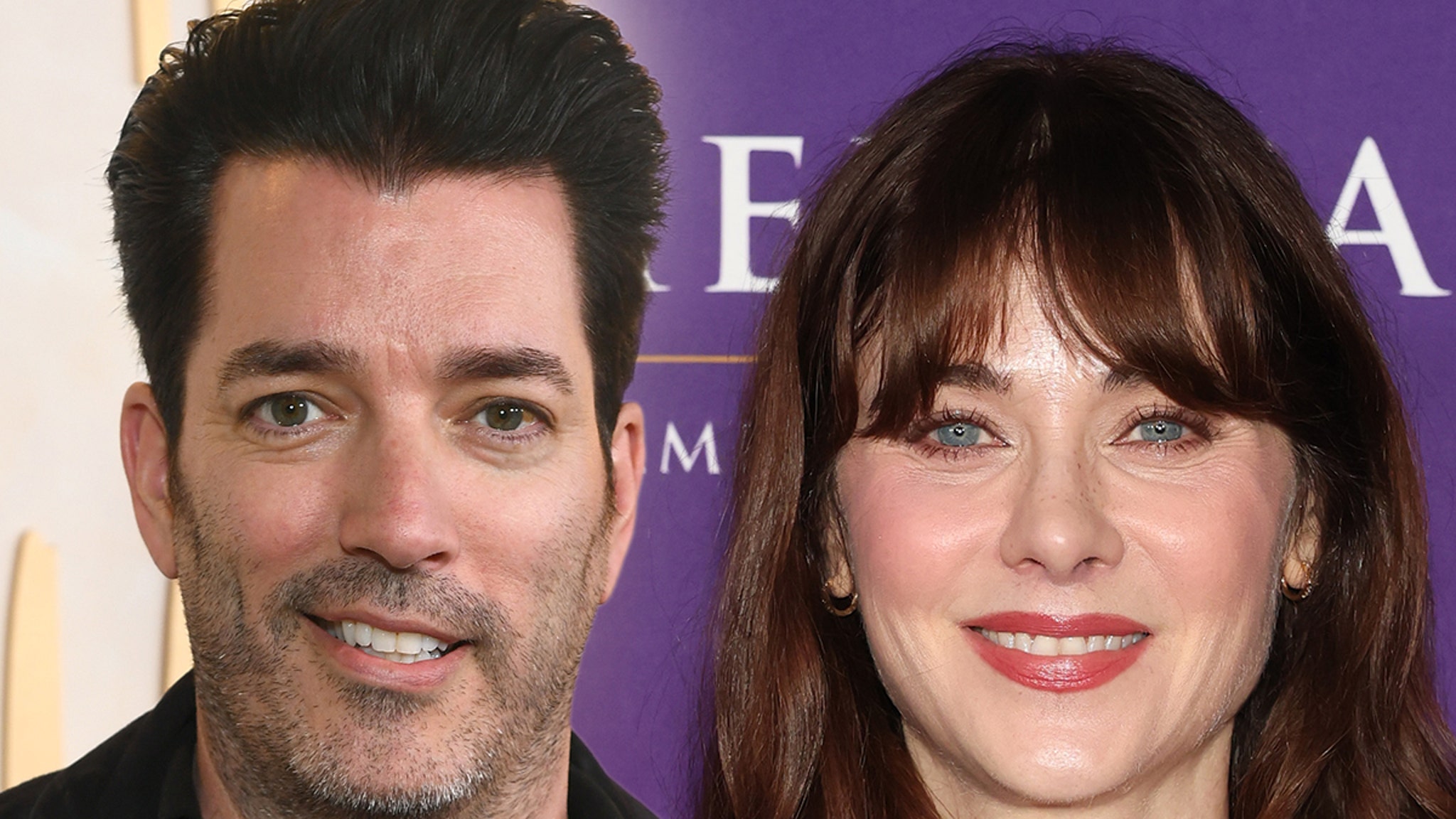
Jonathan Scott Shares Rare Thanksgiving Photo With Zooey Deschanel and Her Two Kids
Jonathan Scott offered a rare glimpse into his blended family on Thanksgiving, posting an Instagram photo Thursday that...

Princess Andre Says Peter Andre Suggested Co-Op Job After GCSEs, per the Sun
Princess Andre’s debut beauty line, By Princess, sold out in 90 minutes at Boots stores earlier this month....