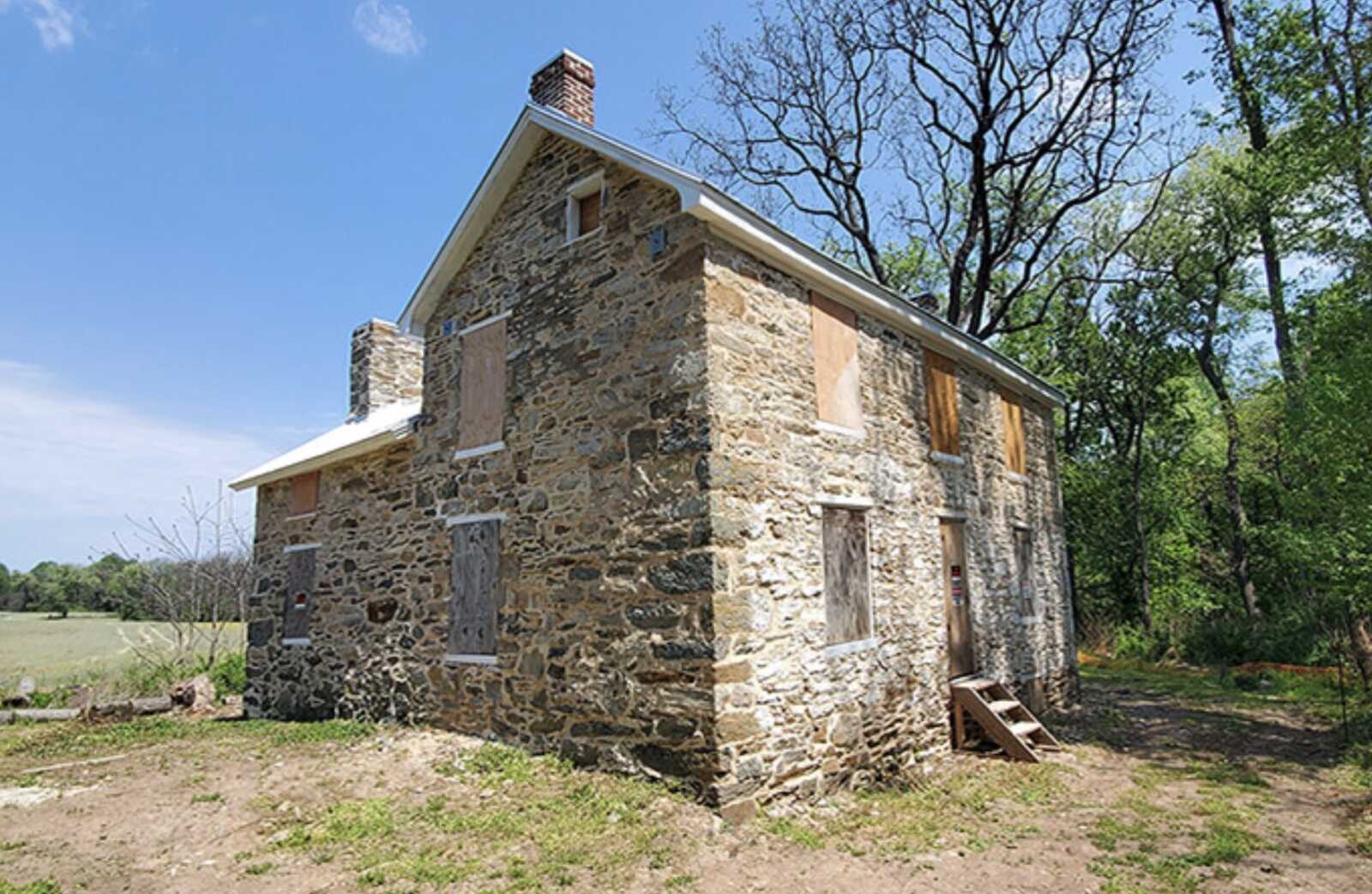
A Roofless Stone House and a 1,000-Acre Legacy in Montgomery County
A roofless stone house stands quietly in the woods of northern Montgomery County, holding the weight of a history that almost vanished from public view.
This weathered structure is part of Freedman’s State Park, a sprawling 1,000-acre public land project now officially welcoming visitors as development continues.
Located near the community of Sunshine just outside Brookeville, the property sits on land once farmed by Enoch George Howard, his wife Harriet, and their descendants. The Maryland General Assembly established the park in 2022, and state officials formally dedicated the grounds on May 15, 2026.
Maryland Department of Natural Resources (DNR) Secretary Josh Kurtz highlighted the site in a November 5 update, pointing to the state’s dual mission of expanding outdoor recreation and preserving historically significant properties.
Rewriting the Story on Familiar Ground
Enoch George Howard was born enslaved in 1814. By 1851, he had purchased his own freedom before securing the emancipation of his wife and their four eldest children. In 1862, at the height of the Civil War, Howard took a step that reshaped his family’s lineage: he purchased the Locust Villa plantation property—the exact land where his family had once been enslaved.
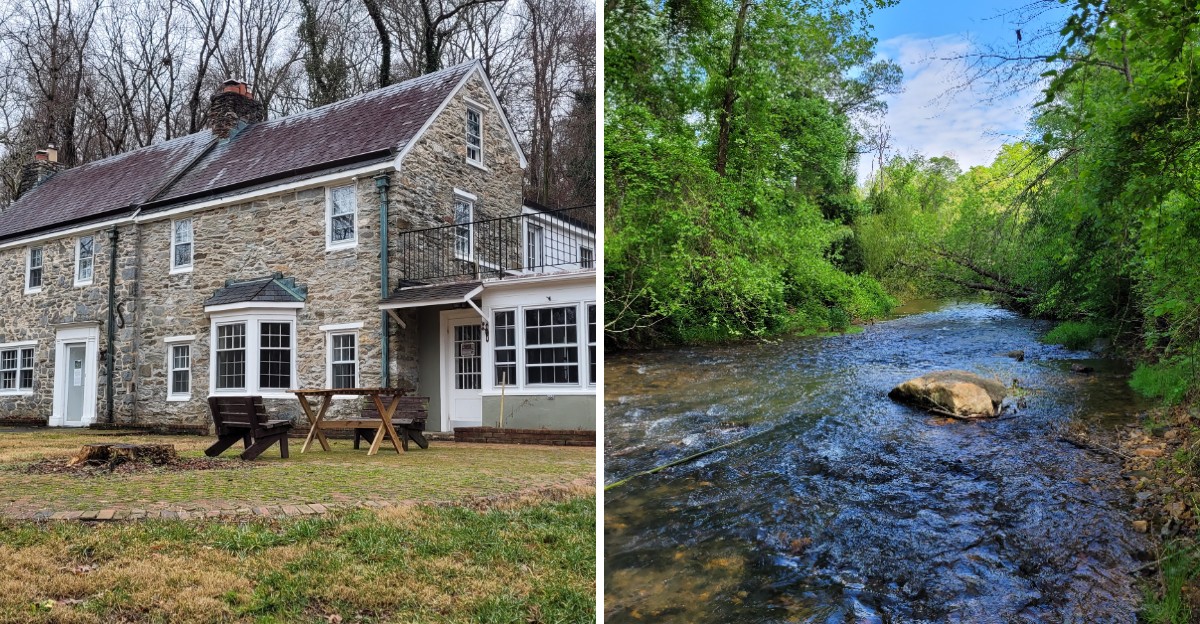
The Howards did not merely survive on the property. They built a thriving local community and a multi-generational legacy. Descendants later played vital roles in Maryland’s Civil Rights Movement, pushing for a more equitable society. That deep narrative thread gives an ordinary walk through the woods an entirely different weight, turning a casual hike into an encounter with stubborn hope.
What Visitors Can See Today
While the park is still in its early stages of development, the public can already explore several preserved historic features across the acreage:
- The ruins of Locust Villa, the plantation’s original 1790s main residence and spring house.
- The Greenbury Howard House, built around 1870 and home to Enoch’s son Greenbury until his death in 1926. The structure remains standing and is currently undergoing restoration.
- The restored Howard Family Cemetery, holding the graves of Enoch, Harriet, and seven descendants.
- The foundations and cemetery of Howard Chapel Cemetery, which served the rural Black community from 1889 until the church burned down in 1979.
Planning and development are moving forward through partnerships with Preservation Maryland, the Sandy Spring Museum, Sandy Spring Slave Museum, Montgomery Parks, Afro Charities, and the Maryland Historical Trust. Visitors can access the grounds daily from sunrise to sunset, with admission completely free.
Practical Details for Your Visit
Travelers planning a trip should head to Freedman’s State Park at 23222 Georgia Avenue in Brookeville. The primary parking area is located at the Alf Brown House, while the Alf Brown House Visitor Center remains open by appointment only.
Visitors on foot can walk the trails and view the historic sites, though vehicle access to the Howard Family Farm site requires a special request. DNR notes that there are currently no ADA-accessible sites across the park property. Visitors with disabilities or special needs are encouraged to call park staff in advance at 443-962-0216 to arrange accommodations before making the trip.
The trails are open, but the infrastructure remains unfinished. How the state balances active recreational development with the delicate preservation of these historic cemeteries and ruins will define the park’s next chapter.
Related reading
- IU Basketball Game Day Essentials: Hoosiers Face Syracuse in Indianapolis
- Bolingbrook Defeats Lyons 22-14 After Viral 104-Yard Field Goal Attempt
- Jane Kim Wins California Insurance Commissioner Race, Vows State-Run Wildfire Insurance Fund (archyde.com)
- Porzingis Stepped Away, and His $20M Still Counts on Golden State's Cap (daybreakwire.com)

IU Basketball Game Day Essentials: Hoosiers Face Syracuse in Indianapolis
Indiana basketball enters Monday night with a 2-0 record and a 4.5-point favorite status as the Hoosiers prepare...

Bolingbrook Defeats Lyons 22-14 After Viral 104-Yard Field Goal Attempt
A high school football kicker in Illinois lined up a 104-yard field goal attempt from his own end...

Cattle Surpass Dairy as Idaho’s Top Farm Commodity for First Time in Decades
Cattle and calves have pulled ahead of dairy as Idaho's top agricultural commodity for the first time in...

Stephen Curry Breaks LeBron James record as Warriors Beat Magic
Stephen Curry pushed past LeBron James on Saturday night at the Chase Center, scoring 41 points to lift...