Georgia Power is marking a century of its Network Underground system, an infrastructure effort that now delivers electricity to thousands of customers across more than 50 locations statewide.
The utility, which currently serves 2.8 million customers in all but four of Georgia’s 159 counties, announced the milestone on Tuesday alongside the opening of a new training facility in Atlanta.
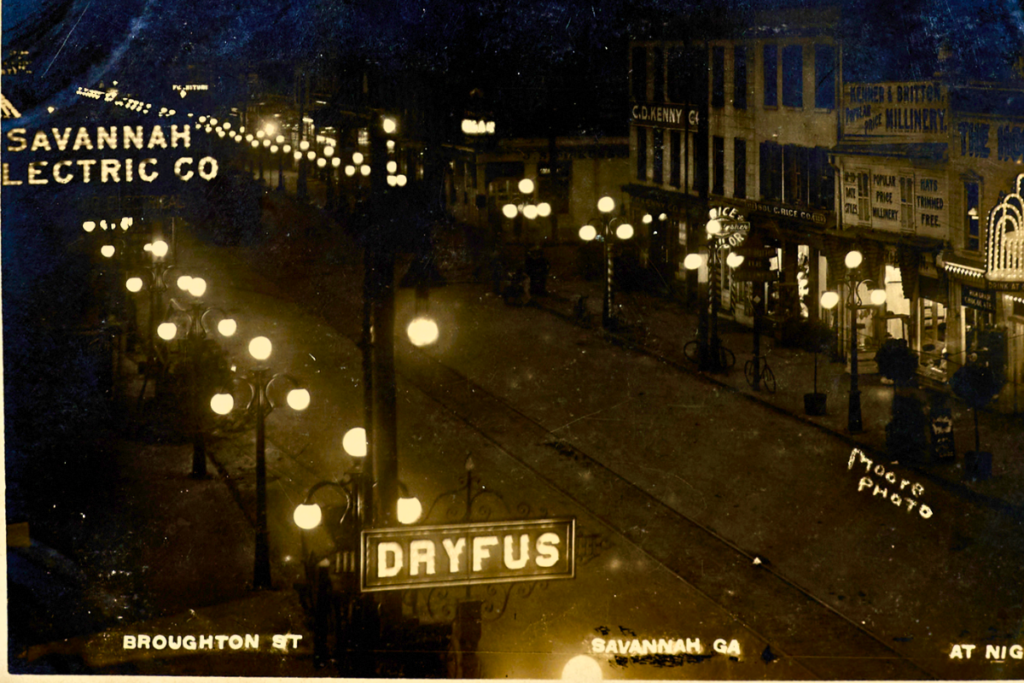
The underground network traces its origins to 1926, when the Savannah Electric & Power Company (SEPCO) installed the state’s first such system to serve downtown Savannah, according to Savannah Agenda. The system later expanded to Atlanta in 1930 and eventually reached cities including Athens, Augusta, Gainesville, Macon, Columbus, and Valdosta.
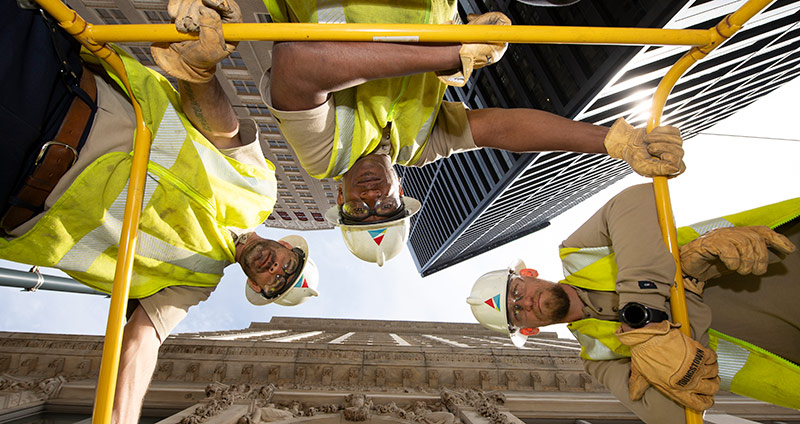
“When people think about power lines, it’s easy to focus just on the poles and wires you see in your neighborhood,” said Tami Barron, senior vice president of distribution at Georgia Power, in a statement released on November 24. “But just as much work goes on underground and the expertise, innovation and dedication of our employees have helped create a resilient Network Underground system that serves communities across the state.”
The utility’s connection to regional electrification dates back well before the network’s formal centennial. According to a report in the Savannah Morning News, the city’s early interest in modern lighting was significant. On March 31, 1883, the publication noted:
“The general adoption of electricity as a means of illumination is certainly not far distant, and Savannah is the front of Southern cities to avail itself of the advantages of the system.”
The facility provides hands-on experience for both new and experienced employees, supplementing existing programs at universities and technical colleges across Georgia, as reported by PRNewswire.
The underground network is part of a larger grid strategy that encompasses more than 10,000 miles of transmission lines and over 80,000 miles of local distribution lines, according to Southern Company.
The system’s history in Savannah includes significant early development, such as the 1926 expansion of the Plant Riverside station to include new generators and the inaugural underground network, Savannah Agenda reported. Following the 2006 merger of SEPCO into Georgia Power, the company undertook a major reconstruction of the Savannah network between 2007 and 2012, replacing 108 transformers and upgrading 26 vaults.
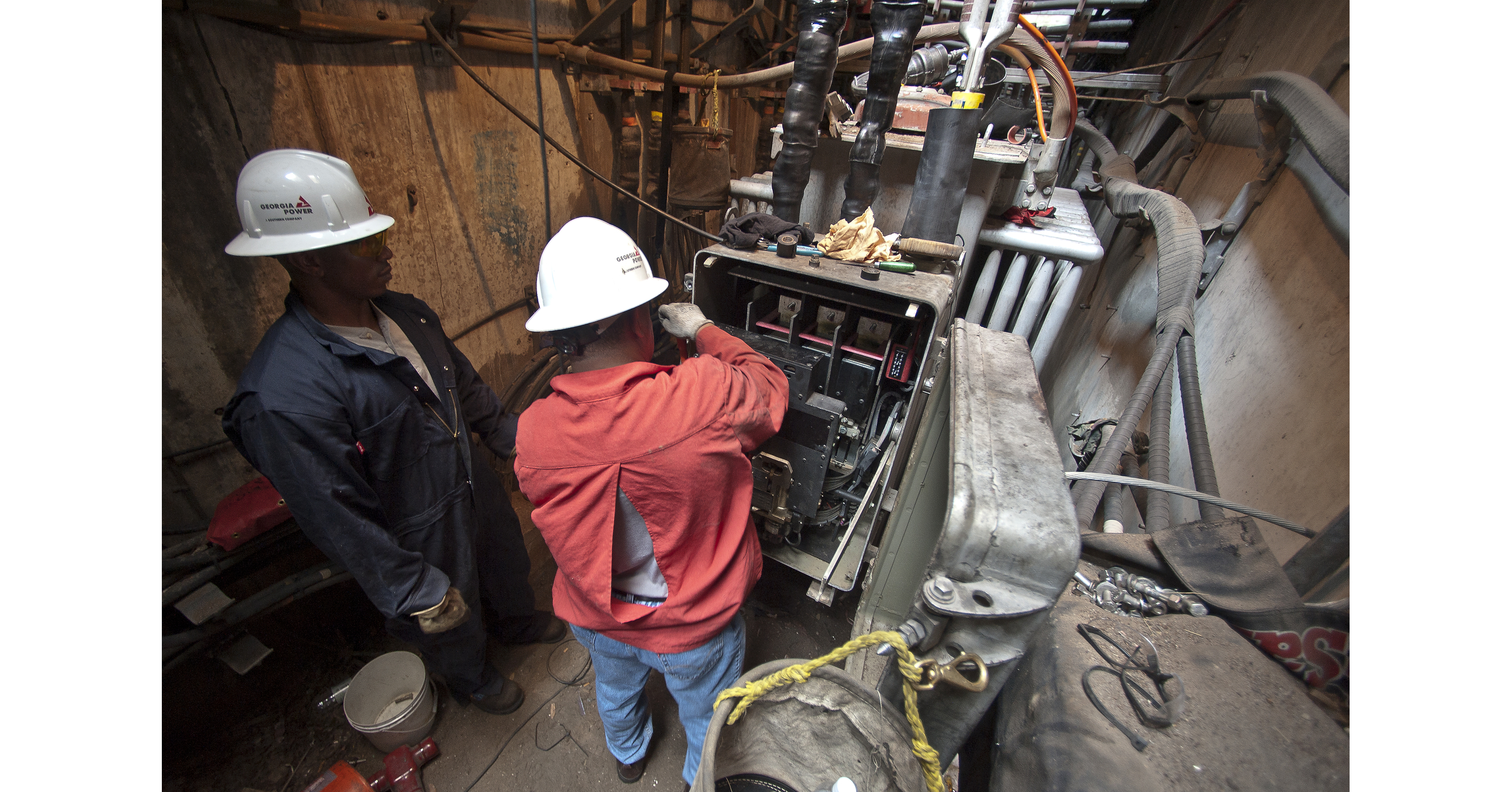
The utility’s workforce strategy remains focused on long-term maintenance of these systems. “I’m so proud of the work of our underground teams, and the role they have played in designing, building and maintaining an incredibly safe, complex and effective underground system in some of the most populated and vibrant areas of our state,” Barron told Georgia Power.
Those interested in the operations can view a video profile of Pete Risse, a veteran employee known as “Mr. Network” who began his 70-year career in 1955, at https://bcove.video/4BP5942. Prospective employees can find further information at PoweringCareers.com/careers/network-underground-services.
To sustain power for a downtown core that has evolved over a century, Georgia Power has continuously upgraded its physical assets. Since 2013, the utility has installed 26 new vaults and reconstructed or added 175 manholes to expand the system’s capacity.
The entity responsible for that inaugural 1926 installation, Savannah Electric & Power Company, eventually integrated into the larger utility’s operations. In 2006, Savannah Electric & Power Company was merged into Georgia Power as a subsidiary under their common parent, Southern Company.
The company maintains its grid operations based on the foundational principles of value, reliability, customer service, and stewardship. These cornerstones guide the utility’s commitment to its 2.8 million customers across 155 of Georgia’s 159 counties.
- Frankfort Independent Board Approves BG1 for $13M Upgrades, Indoor Facility
- Matt Thomas: Texans, Ravens Underperform as Season Falters
- Lesley Saweard dies at 92 after 66 years on BBC radio show The Archers (newsarchyuk.com)
- NPR Reported Storm Knocked Out Power for Nearly a Million by Thanksgiving (world-today-news.com)

Frankfort Independent Board Approves BG1 for $13M Upgrades, Indoor Facility
Frankfort Independent Schools has advanced a package of facility upgrades exceeding $13 million, targeting multiple campuses alongside the...

Matt Thomas: Texans, Ravens Underperform as Season Falters
In a column for Baltimore Positive WNST, sports radio host Matt Thomas argues that the Houston Texans and...
UAA, Trevecca Nazarene Trade Baskets, Turnovers in Opening Half
The University of Alaska Anchorage men’s basketball team faced Trevecca Nazarene on Friday in a contest that saw...
John M. Schwartz, Old Order Amish Member and BRC Rubber Worker, Dies at 71
John M. Schwartz, a 71-year-old resident of rural Berne, Indiana, and a member of the Old Order Amish...