
Rural Georgia played a key role in Democratic gains across the state in the 2026 midterm elections, with five rural counties flipping blue in the gubernatorial race.
The blue wave reached deep into rural communities as Baldwin, Clay, Jefferson, Sumter, and Washington counties shifted their support. Across rural Georgia, Democrats increased their share of the two-party vote from 26% in 2022 to 32% in 2026, while the Republican share fell from 74% to 68%. By raw numbers, Democratic votes increased by roughly 23% while Republican votes declined nearly 9%.
The shift came as voter turnout dropped more sharply in rural areas than across the state overall. Rural turnout fell by more than five points, moving from 57.5% in 2022 to 52.1% in 2026. Statewide turnout of registered voters fell by just one percentage point during the same period, leaving rural turnout lagging a few points behind the rest of Georgia.
However, the five rural counties that flipped blue bucked that downward trend in participation. Those specific counties recorded a combined turnout rate nearly four percentage points above the broader rural average, according to preliminary results from the Georgia Secretary of State.
Within a quartet of those flipped rural counties, the proportion of the electorate comprised of Black voters exceeded 2022 levels. Their share increased in Baldwin, Clay, Sumter, and Washington counties, while Jefferson County remained roughly constant.
Among the five flipped counties, Clay County experienced the greatest movement toward the left by shifting 6.4 percentage points relative to 2022. This political movement occurred alongside a drop in county participation from 57.3% to 55%, coupled with an expansion in the Black voter constituency from 44.8% to 47.4%.
Statewide, Black voter turnout rose about 8 points between the 2022 and 2026 midterms, according to a report from the Brennan Center for Justice. That identical analysis discovered that critical states saw record-breaking Black voter turnout, which substantially narrowed the racial participation gap as white voter engagement fell. Due to an increase in Black voter participation and a decrease in white turnout across Georgia, the racial participation disparity reached a 20-year low.
In total, 13 rural counties voted blue in 2026, compared with eight in 2022. Rural counties accounted for more than half of the gubernatorial county flips across the state.
While early figures indicate vote gains for Democrats and losses for Republicans throughout rural Georgia, the aggregate numbers alone cannot clarify whether individual citizens altered their political allegiance or explain shifts in voting rates. Further analysis will be required to determine the exact extent to which those changes reflect voter persuasion, differences in turnout, or changes in the electorate.

Lansing City Council Delays Homelessness Votes Until December
Lansing City Council members have hit a legislative standstill regarding emergency measures to address homelessness, delaying key votes...

SNL’s ‘Sister’ Sketch Sparks Conversation on Gendered Elder Care
A viral Saturday Night Live sketch titled “Sister” has ignited a national conversation about the gendered imbalance of...
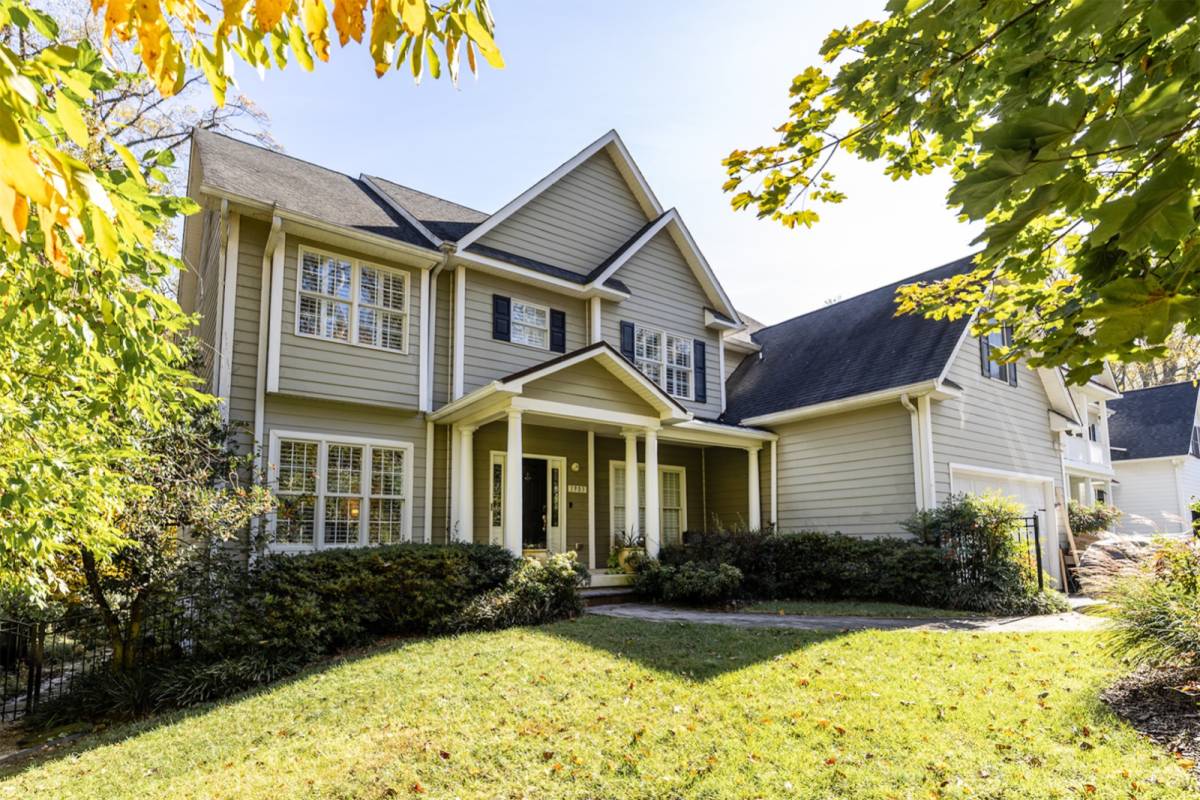
The Big Chill – Annapolis Vacation Rental – iTrip
The Big Chill, a six-bedroom vacation rental located just 1.5 miles from the U.S. Naval Academy’s Gate 8,...

EPI: $1 Billion in Stolen Wages Was Recovered for Workers in 2025
In 2025, federal, state, and local enforcement agencies—along with class-action settlements—successfully clawed back $1 billion in stolen wages...