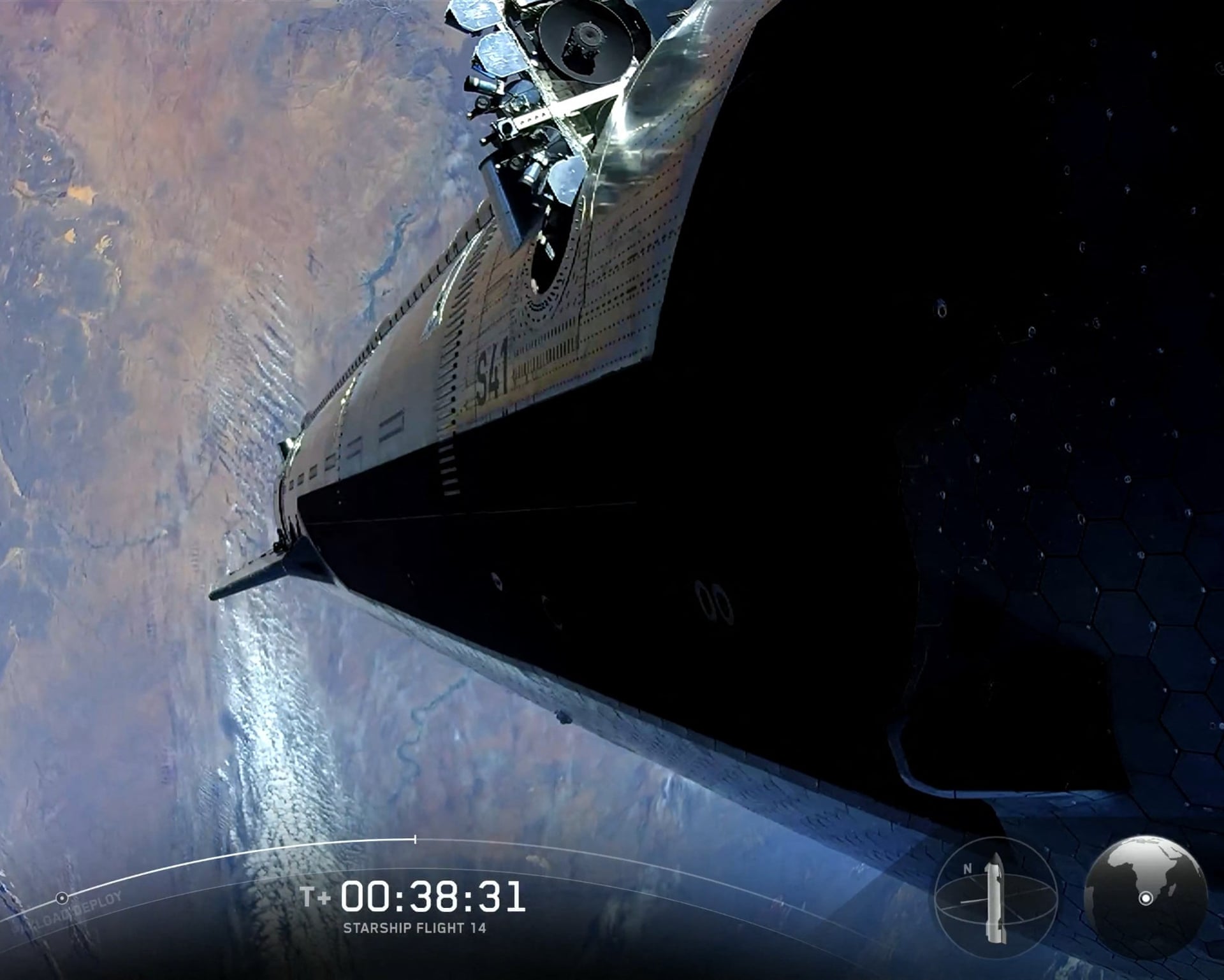
- German intelligence and the Bundeswehr shared assessments with NATO allies in early November warning of a launch within 60 days.
- The satellite, named Sputnik-S, was assembled years ago and is stored in the Moscow region, German media reported.
- A nuclear detonation in orbit could cripple satellite services and leave radiation belts for years.
- The Kremlin dismissed the reports as “hardly worth taking seriously” and the Russian embassy in Berlin called them a propaganda campaign.
The assessment is backed by the German Armed Forces and the Federal Intelligence Service (BND), and has been exchanged among several NATO countries this month, the outlets said.
It was not clear which country authored the reports, the BBC reported.
Bundeswehr sees possible December launch
Warnings issued in early November indicated it could be launched within 60 days and would be operational shortly afterwards. The Bundeswehr’s Space Command considers a December launch possible, Euromaidan Press reported. Defence Minister Boris Pistorius has been briefed on the assessment, the outlets said.
Orbital nuclear weapon would violate treaties
Placing a nuclear weapon in orbit would breach the 1967 Outer Space Treaty, which prohibits stationing weapons of mass destruction in space, and the 1963 Partial Nuclear Test Ban Treaty. Maj Gen Michael Traut, commander of the German Space Command, said earlier this year he could not rule out that Russia is working on such technology and warned a detonation could affect up to a third of satellites in low Earth orbit, The Guardian reported.
The US Defense Intelligence Agency’s 2026 “Challenges to Security in Space” assessment states that Russia is developing a satellite designed to carry a nuclear weapon and that such a capability could cause rapid loss or degradation of thousands of satellites, Space.com reported.
Kosmos-2553 as a possible precursor
Western intelligence has long monitored Kosmos-2553, a Russian satellite launched in February 2022, shortly before the full-scale invasion of Ukraine. Moscow says it studies radiation in space, but German security officials now suspect it was a dummy test for how a nuclear blast’s radiation would damage satellites. The US first warned publicly in February 2024 that Russia was pursuing a “troubling” space-based anti-satellite capability.
Nuclear satellite could disable thousands
The assessment warns such a capability could cause rapid loss or degradation of thousands of satellites and disrupt vital communications, navigation and meteorological services worldwide, Space.com reported.

European officials warn of catastrophic consequences
Josef Aschbacher, head of the European Space Agency, described having nuclear weapons in space as “the ultimate nightmare scenario,” German paper Handelsblatt reported via the BBC. A German government spokesman said Berlin was taking the intelligence reports very seriously but warned against causing “excessive nervousness regarding hypothetical dangers.”
Kosmos-2553 examined as possible test precursor
The satellite operates in an orbit around 2,000 km up, a region German security circles consider a possible precursor orbit for a nuclear anti-satellite weapon, though that has not been publicly confirmed, The Guardian reported.
Kremlin dismisses report as propaganda
“We haven’t seen the report. But there are so many ‘alleged’ and ‘possible’ claims in it, attributed to who knows whom, that it’s certainly hardly worth taking them seriously,” Kremlin spokesperson Dmitry Peskov told reporters. The Russian embassy in Berlin rejected the allegations as “unfounded” and part of a “propaganda campaign,” insisting its space activities are peaceful and comply with international law, The Moscow Times reported.
Standing alongside NATO Secretary General Mark Rutte in Berlin, Chancellor Friedrich Merz did not confirm or deny the reports but said they “reveal the level of escalation Russia is evidently prepared to pursue,” the BBC reported. Rutte said the alliance will defend every inch of NATO territory, “and that includes making sure we are safe when it comes to the space element.”
Keep reading

Iran Deploys 60,000 Security Forces in Tehran, Executions Rise
Iranian authorities have deployed roughly 60,000 security personnel across Greater Tehran since mid‑November, a force that includes 35,000...
Guardian: Leaked Data Shows 490,000 Russian War Dead, True Toll Over 700,000
Leaked Russian state statistics reveal more than 490,000 confirmed military deaths in Ukraine since February 2022, with independent...

Apple TV Releases Trailer for Four-Part Justin Timberlake Documentary Premiering Dec. 11
Apple TV released the trailer for "Timberlake," a four-part documentary series directed by Fisher Stevens, on Monday ahead...

Hawkstone Farmers Choir Receives Standing Ovation at Royal Variety Performance
We weren't expecting that reception, said Andy Owens, a farmer from Marden, Herefordshire, describing the standing ovation that...