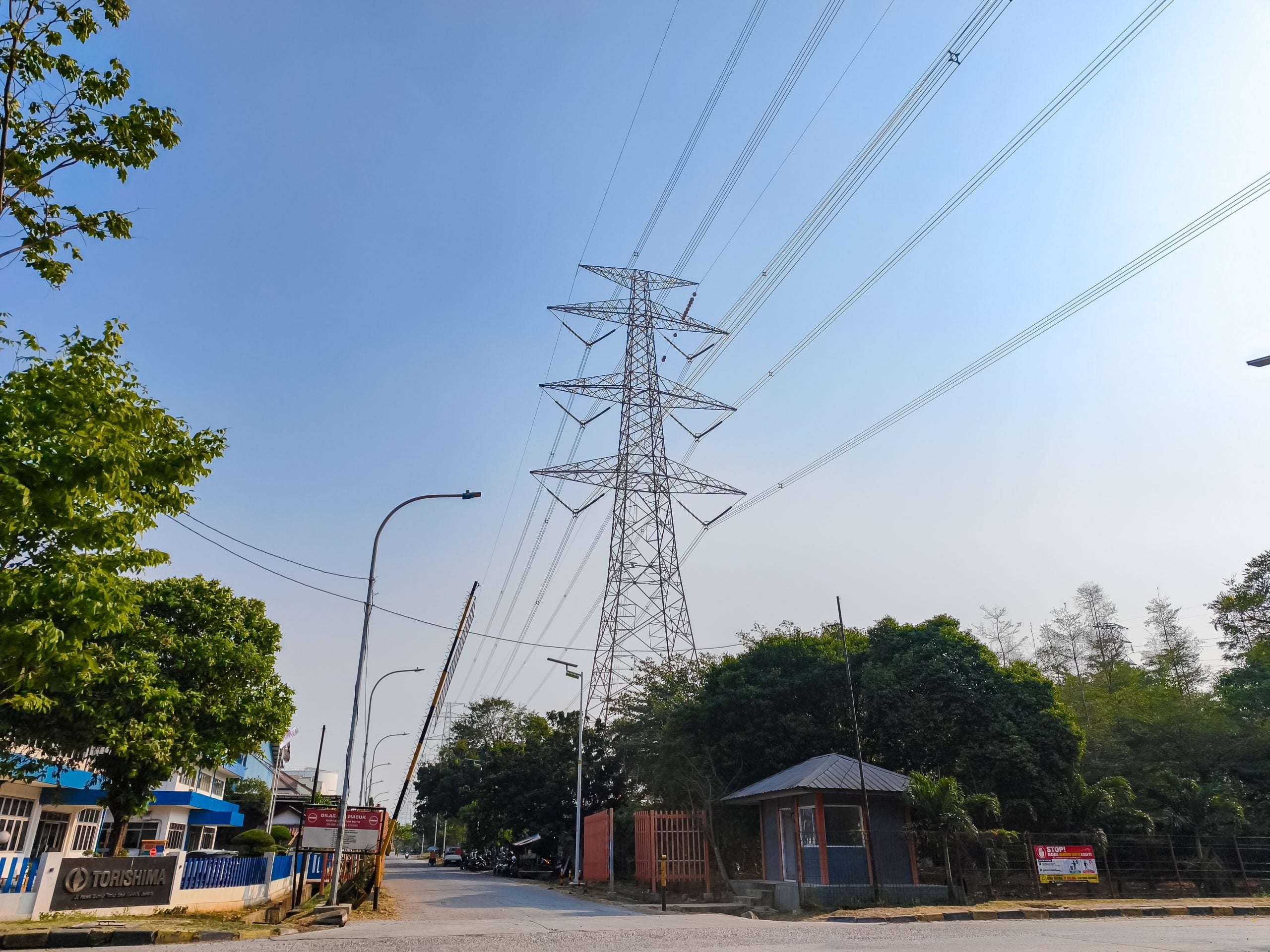
Google and Ohio Power Company filed a joint proposal on November 19 with the Public Utilities Commission of Ohio under which Google would pay $10.8 million to install advanced conductors on 15.5 miles of transmission lines in Columbus, Latitude Media reported.
The lines were already slated for rebuild; the upgrade would give Google 24 megawatts of contracted capacity roughly two years early for its expanding data center.
Google Affiliate Funds First Voluntary Transmission Upgrade
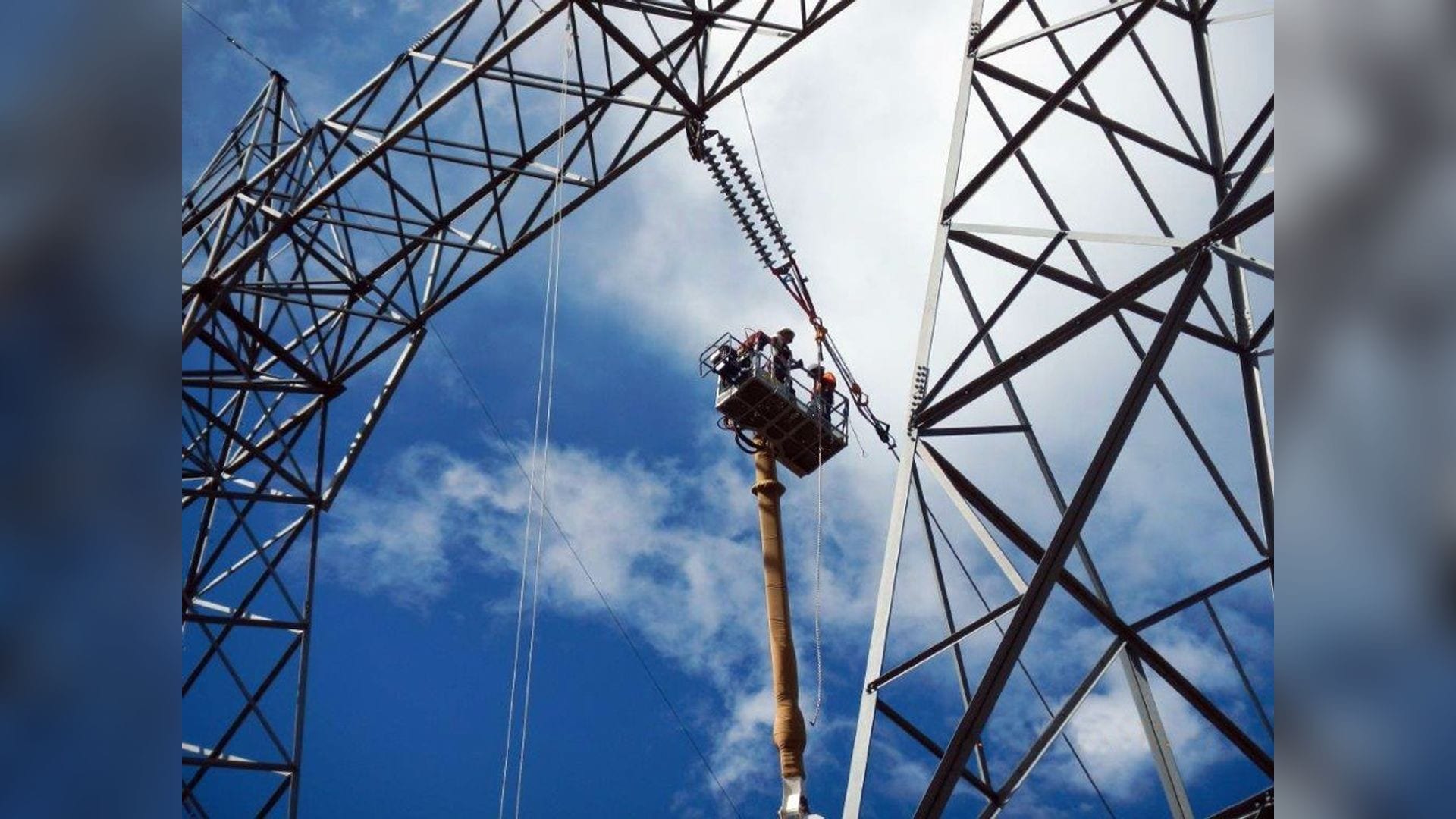
The filing marks the first voluntary, corporate-funded transmission upgrade of its kind on a U.S. regulated grid, The Inference reported. Google’s affiliate, Cardinal Power, covers the full cost of replacing 50-year-old wires with advanced conductors that use lightweight composite cores instead of steel.
Once a separate 765-kilovolt buildout across roughly 300 miles of new lines is complete — targeted for 2031 — the upgraded corridor is expected to carry more than 700 megawatts of additional capacity, according to the companies. Advanced conductors can carry 40% to 70% more electricity than conventional wires and cost 33% to 75% less than building new transmission while unlocking double the capacity, Latitude Media reported, citing Department of Energy and GridLab/UC Berkeley studies.
Google also committed $1 million for workforce development — lineman training, installation curriculum, and manufacturing apprenticeships — to address supply-chain and labor bottlenecks, Data Center Dynamics reported. If approved by PUCO and the Ohio Power Siting Board, the upgrades are expected in service by late 2028, the Columbus Dispatch reported.

Google Leaders Frame Deal as Model for Grid Capacity
“We want to demonstrate that this kind of investment can work, not just for our data center pipeline but to enable a significant amount of more headroom for other customers in a utility’s service territory,” Ellen Zuckerman, Google’s head of energy market development for North and South America, told Latitude Media.
“This is a path others can hopefully follow to unlock capacity that exists on the grid today if we deploy more innovative technologies.”
Amanda Peterson Corio, Google’s global head of energy and power, called the agreement “a new way for data centers to help expand transmission capacity years faster, while lowering costs for local consumers and improving grid reliability,” Data Center Dynamics reported. Ohio Power president and CEO Marc Reitter said the collaboration “builds on that legacy here in Ohio” and passes savings directly to customers, the same outlet reported.
This is the way! Awesome news: Google and Ohio Power just filed a first-of-a-kind Transmission Participation Agreement, pending PUCO approval, to upgrade existing power lines with advanced conductors. Google is covering the full incremental cost to unlock over 700 MW of… pic.twitter.com/CPcTbaliyL
The filing comes amid mounting political pressure for hyperscalers to bear the incremental costs their load creates. Ohio enacted a law in 2025 directing regulators to map how large customers can partner with utilities on advanced transmission technologies.
FERC show-cause orders now require grid operators to evaluate advanced conductors when studying transmission service and explain why they are not used, Latitude Media reported. The DOE awarded $1.9 billion in SPARK grants for advanced transmission projects after the White House declined to issue an executive order on the matter.
“All of those things taken together are indicative of a path toward greater adoption in North America,” Theodore Paradise, chief policy and grid strategy officer at CTC Global, told Latitude Media. He noted most of the company’s business is outside the U.S., in countries such as Indonesia and Bangladesh, and said Amazon, Microsoft, and Anthropic could adopt a similar model.
AEP’s capital plan runs to $100 billion through 2031, with $37 billion earmarked for transmission, The Inference reported. The utility says contracted large-load customers should generate up to $21 billion in fixed-cost offsets for residential ratepayers over the life of those contracts. The Ohio docket will test whether that promise holds and whether the template repeats.
“The work in Ohio will prove-out a new strategy to invest in ATTs that can be replicated across the tech industry — especially at a time when data centers and utilities are being asked to cover their own energy costs,” Paradise told Latitude Media.
Worth a look

Chris Kent Named President, CEO of North Little Rock Chamber of Commerce
Chris Kent will lead the North Little Rock Chamber of Commerce as its new president and CEO, the...

Egyptian Journalist Argues Manchester United Robbed by Disallowed Goal vs Sporting Lisbon
An Egyptian journalist who has covered football since 2006 argues in a column that Manchester United suffered a...

Montana Youth Diabetes Alliance Connects Families Through Camp, Education and Supply Reimbursement
Montana families managing childhood Type 1 diabetes are finding year-round education, supply reimbursement and peer connection through the...

Georgia Pushes to Flip No. 1 Prospect DJ Jacobs, Monitors Other 2027 Targets
Georgia is making a final-week push to flip the top prospect in the 2027 class, five-star edge rusher...