
In a first-person account for GreenLight Fund, Sophie Huttner details how a summer of listening tours across Nashville convinced her that outside philanthropy must cede power to local leaders if it hopes to move the needle on child poverty.
Huttner, a national fellow for the organization, arrived in the city in early July 2025 with a mandate to lay the groundwork for a new GreenLight site. The model, she writes, relies on a simple premise: the community identifies the problems that persist for families in poverty, the fund searches nationally for proven solutions, and then invests the money and time to import them.
But founder John Simon imposed three conditions before the work could start: understand the community deeply, dedicate serious time to meeting people where they live, and ensure the community understands and trusts GreenLight in return.
Over three months, Huttner held more than 200 meetings with leaders from every sector. She sat with the mayor, church pastors, a food bank director, a disability rights activist, university heads, and the head of a workforce training organization. The excitement was real, she reports, but so was the skepticism.
“How can an outsider truly know what Nashville needs most?” she was asked repeatedly. Her answer became the operating thesis for the Nashville launch: the executive director would be a local, the selection advisory committee would draw from every neighborhood, and every step would be additive to existing work.
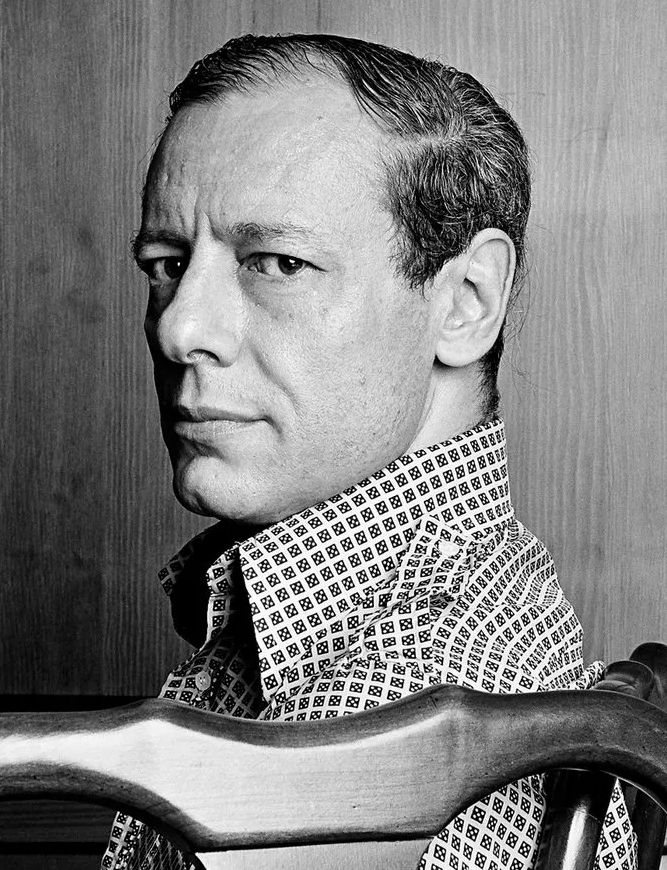
“Rooted in Community is a value absolutely core to GreenLight’s ethos, and from my initial meetings, I immediately understood why: No one understands Nashville and its surroundings better than those who spend their days serving their neighbors.”
Sophie Huttner, GreenLight Fund National Fellow
That philosophy played out in conversations with Chris and Elaine Whitney of One Generation Away, who described scaling a food ministry from the back of a car to distributing over eight million meals last year across five states.
They traced the rising need to natural disasters, a climbing cost of living, and reductions in SNAP benefits squeezing Middle Tennessee families. At DreamStreets in West Nashville, TJ Fletcher showed Huttner a site offering food, child care, job training, and transitional housing, arguing that for many in the city, homelessness sits one missed paycheck away.
In Napier, celebrity chef and native Sterling Wright walked her through the affordable housing block where he grew up. He pointed to the compounding weight of gun violence, food deserts, and absent economic opportunity.
At Joy Kitchen, he teaches kids to cook and launch food businesses, but Huttner emphasizes the less tangible currency he provides: a safe space, strong mentorship, and a vision for a future that systemic gaps often obscure.
The piece does not claim victory. It frames the summer as the necessary, unglamorous prelude to any lasting intervention — proof that the “hard work of meeting lots (and I mean lots) of people” is not a preliminary step but the strategy itself. GreenLight Nashville’s next phase will test whether that trust can translate into imported solutions that actually stick.
Keep reading

James Madison’s Trinity Moore Named Sun Belt Player of the Week
James Madison sixth-year forward Trinity Moore was named the Sun Belt Conference Women's Basketball Player of the Week...

Cheyenne is preparing to discharge nearly $75,000 in debts it admits it will never collect
Cheyenne is preparing to discharge nearly $75,000 in debts it admits it will never collect, a routine accounting...

Geoff Clark Picks West Virginia ML & Under 144.5 in Players Era 8
Geoff Clark picks West Virginia on the moneyline and under 144.5 for the Players Era 8 matchup against...

Seattle Reign FC Announces 2026 Team Awards: Fishlock MVP, Mercado Golden Boot
Seattle Reign FC captain Jess Fishlock walked away with the club's Most Valuable Player and Lu Barnes awards...