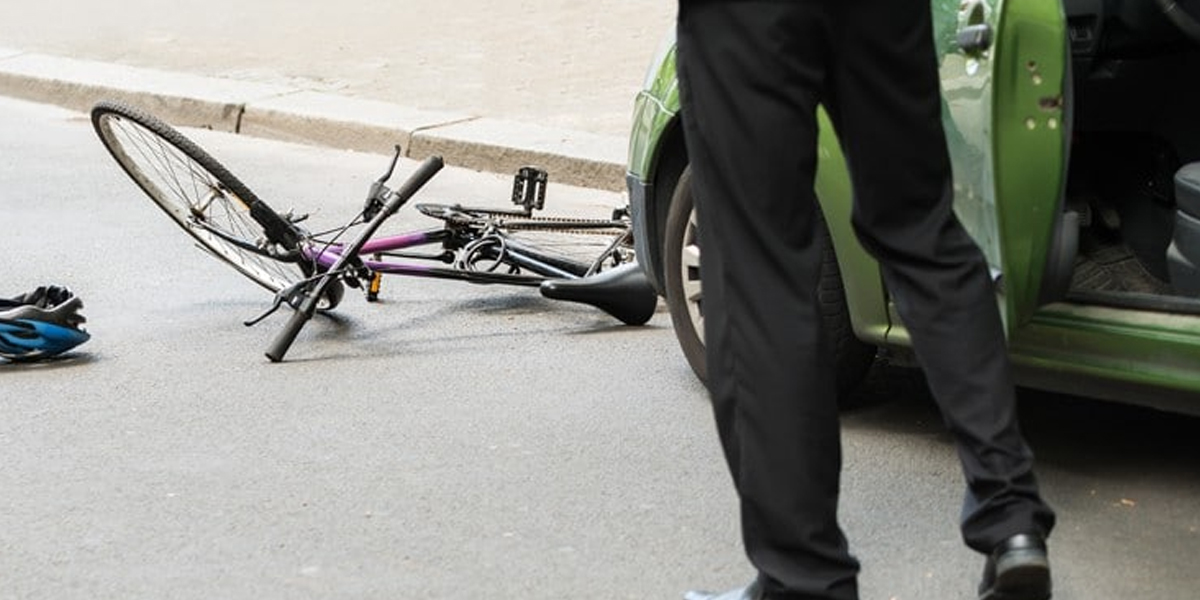
Georgia recorded 965 bicyclist crashes in 2024, with 22 fatalities and 128 suspected serious injuries, according to the Georgia Governor’s Office of Highway Safety.
Fulton County, home to Atlanta, accounted for 29 of those serious or fatal injuries. Nationally, the National Highway Traffic Safety Administration reported 1,103 bicyclist deaths and an estimated 52,887 injuries in the same year.
Harris Lowry Manton LLP, an Atlanta-based law firm, said its investigations with police and traffic reconstruction professionals find that driver behavior drives most crashes. The firm listed distracted driving, intoxication, speeding, failure to yield, and “dooring” — opening car doors into a cyclist’s path — as leading causes.
“Assume a driver doesn’t see you,” the firm advises riders, citing NHTSA safety guidance that also urges cyclists to wear bright clothing, use lights at night, and avoid phone use while riding.
Georgia law requires a white front light and a red rear light or reflector visible for 300 feet when riding at night. Drivers must change lanes to pass a cyclist when possible; otherwise, they must slow down and leave at least three feet of clearance.
Riders under 16 must wear helmets; those 16 and older are not required to. Cyclists generally may not ride on sidewalks or split lanes, and may ride two abreast with exceptions.
Liable parties can include drivers, rideshare operators, employers, vehicle owners, manufacturers of defective parts, alcohol sellers under Georgia’s Dram Shop Act, government entities responsible for road design, and bicycle repair companies.
The firm said it seeks compensation for medical costs, lost income, pain and suffering, property damage, loss of enjoyment of life, and, in fatal cases, wrongful death damages including the “intangible value” of the deceased’s life from their perspective. Punitive damages may be pursued in appropriate estate survival claims.
Georgia’s statute of limitations for personal injury and wrongful death claims is typically two years. If a rider’s fault is below 50 percent, damages are reduced proportionally. Uninsured motorist coverage can apply in hit-and-run cases.
Georgia’s traffic framework places specific duties on both motorists and cyclists to reduce conflict on shared roads. State law requires drivers to change lanes to pass a cyclist when possible or otherwise provide at least three feet of clearance, and mandates a white front light plus a red rear light or reflector visible for 300 feet for night riding.
Georgia further defines where and how cyclists may operate, generally prohibiting sidewalk riding and lane splitting while allowing two-abreast riding with exceptions.
Harris Lowry Manton LLP meets clients at 1418 Dresden Dr NE, Suite 250, Brookhaven, GA, and 28 East 35th Street, Savannah, GA, and offers phone and video consultations.
Worth a look

Kehoe: Iowa Military Detonation Poses No Serious Threat to Missouri
"This is not a time for panic," Gov. Mike Kehoe said during a briefing at the state Capitol...
DOJ Awards Nearly $150 Million to Hire Over 1,000 Law Enforcement Officers via COPS Program
The Justice Department awarded nearly $150 million Tuesday to hire more than 1,000 officers nationwide through the 2026...
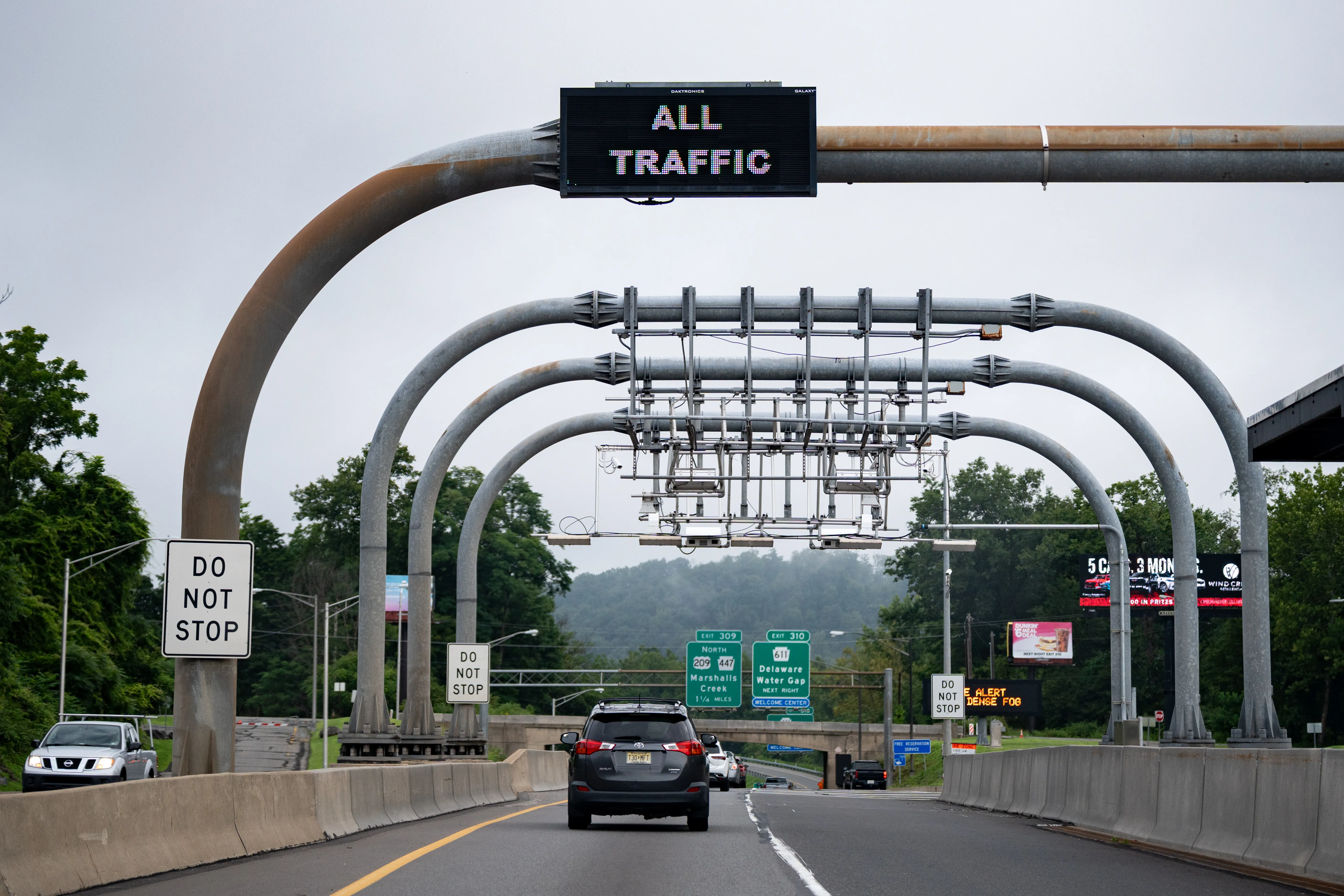
Pennsylvania Allows Turnpike Toll Data Sharing for Missing-Persons Alerts
Pennsylvania Gov. Josh Shapiro signed legislation Monday allowing the state Turnpike Commission to share electronic tolling data with...

Column: Royals Bet on Miller’s Pre-Injury Form; Garcia Embraces Villain Role
In a column for Inside the Crown, David Lesky argues the Kansas City Royals are betting on Bryce...