Elevated volcanic gas emissions from Kīlauea’s paused eruption are pushing vog into communities across the islands, prompting the state health department to urge precautions on Tuesday.
Kīlauea’s 57th episodic eruption ended Nov. 23, but strong gas emissions continue from north and southwest vents in Halemaʻumaʻu, the U.S. Geological Survey said. Light and variable winds are expected to shift throughout the day, potentially carrying the plume toward the northeast, the Hawaiʻi State Department of Health reported.
Air quality reaches unhealthy levels in Hilo
The Hilo air monitoring station recorded air quality in the “Unhealthy for Sensitive Groups” category earlier Tuesday. Since the eruption sequence began Dec. 23, 2024, monitoring stations on Hawaiʻi Island, Maui and Oʻahu have shown periodic increases in sulfur dioxide and fine particulate matter, with southern Hawaiʻi Island stations at times reaching unhealthy levels.
Health guidance for residents and visitors
The department recommends that people contact a healthcare provider if symptoms develop or worsen, keep medications readily available, and reduce outdoor activities. Residents should stay indoors with windows and doors closed, set air conditioners to recirculate, and use HEPA cleaners to reduce indoor particulate matter, though HEPA filters do not remove sulfur dioxide gas. The department does not recommend that the general public use respirators for protection against volcanic gases.
Especially vulnerable populations include individuals with preexisting respiratory conditions, children and infants, older adults, people who work or exercise outdoors, and pregnant women.
For areas that have received volcanic ash, Pele’s hair or Pele’s tears, the department advises wearing a well-fitting N95 or equivalent mask during cleanup, along with heavy-duty gloves, long sleeves, pants, closed-toe shoes and eye protection. Masks filter particles but do not protect against toxic gases such as sulfur dioxide. Residents should avoid sweeping, blowers or mechanical devices that may stir ash back into the air.
Kīlauea is an active shield volcano on Hawaii Island that has been the most active of the island’s five volcanoes since settlement and ranks among the most active on Earth. It erupted nearly continuously from Puʻu ʻŌʻō on the eastern rift zone between January 1983 and April 2018, producing 3.5 km³ of lava and resurfacing 123.2 km² of land, while Halemaʻumaʻu hosted an active lava lake from 2008 to 2018.
In May 2018, activity shifted to the lower Puna district where lava from two dozen vents destroyed 716 dwellings and covered communities including Leilani Estates, while concurrent summit collapse events at Halemaʻumaʻu sent ash 30,000 feet (9,100 m) into the air.
Air quality can change quickly depending on emission rates, wind direction and weather conditions, the department said.

“We’re very excited,” Aaron Bachstein said
"We're very excited," Aaron Bachstein said. The Nazareth Book Shoppe will hold a soft opening Saturday at 27...
Ohio Democrats Urge Funding, Mandatory Testing After Toledo Water Emergency
"It is absolutely necessary that the state step up to meet the ongoing threat of harmful algal blooms...
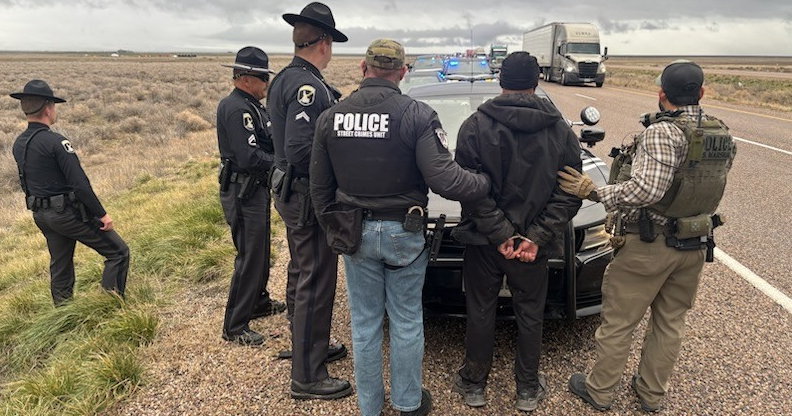
U.S. Marshals, Idaho Police Arrest New Mexico Fugitive on I-84
U.S. Marshals and Idaho State Police arrested a 37-year-old New Mexico fugitive on Interstate 84 near mile marker...

Providence’s Maui Losses Don’t Dim NCAA Tournament Prospects
In a column for The Providence Crier, the author argues that Providence's 1-2 showing at the Maui Invitational...