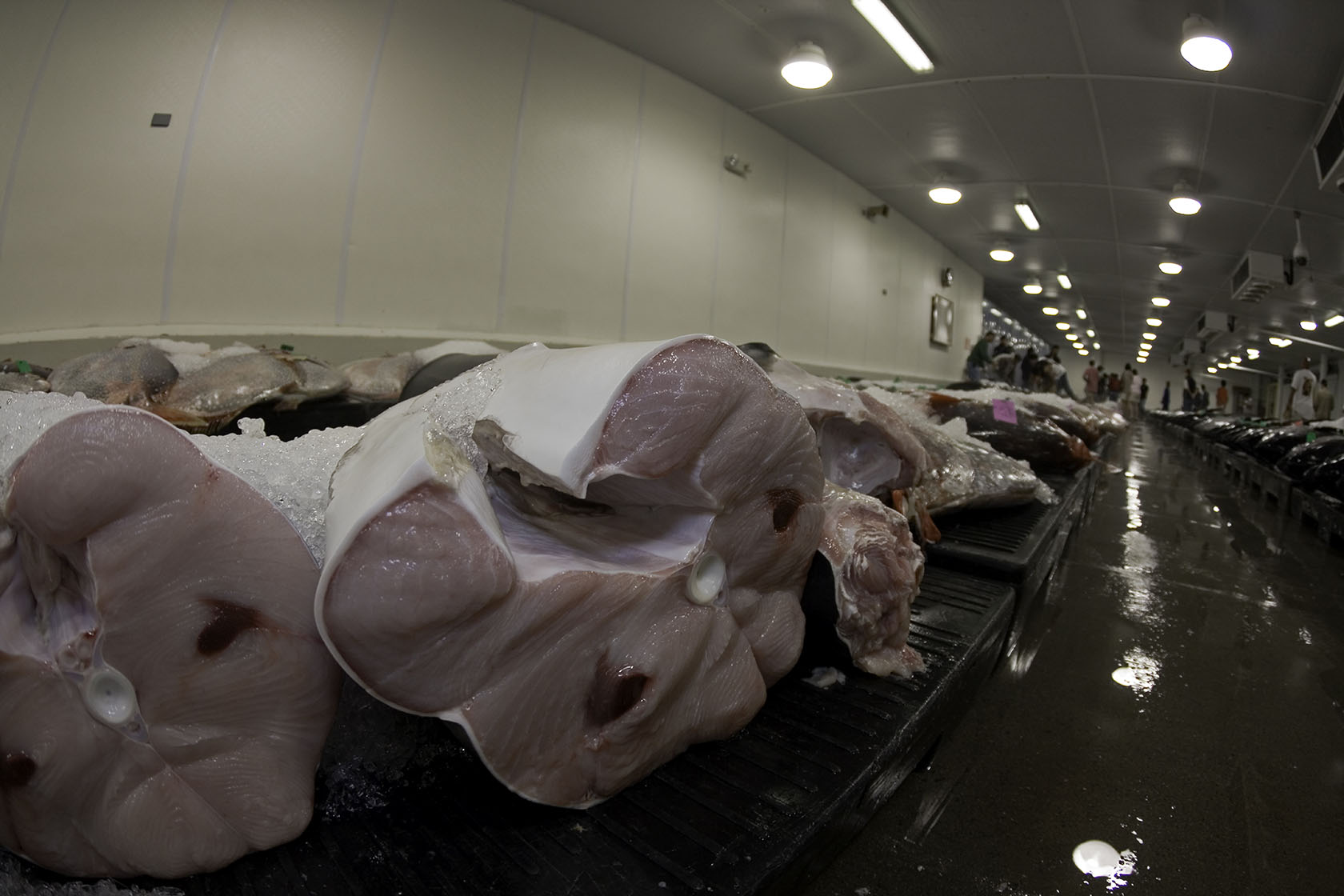
Diesel fuel in Hawaii hit an all-time high of $7.2919 per gallon on October 23, 2026, as supply disruptions from the Trump administration’s war in Iran continue to squeeze the American fishing industry. For the longline fleet based in Honolulu Harbor, this isn’t just a statistic—it’s a threat to their survival. In a single year, fuel prices have climbed by more than $2 per gallon, a nearly 40 percent increase that hits at a time when Hawaii-based fisheries were already reeling from an “all-time low” in profits reported in 2022.
The $13 Million Fuel Gap in Honolulu Harbor
Fuel is the single most expensive cost for the Hawaii fleet, often consuming up to half of the total cost of a fishing trip. According to data analyzed by the National Oceanic and Atmospheric Administration (NOAA), 29 cents of every dollar of revenue went toward fuel costs back in 2023. With current prices, that ratio is shifting dangerously.
The math for the Honolulu fleet is brutal. Over the last three years, these vessels have averaged 1,600 trips to sea for tuna and swordfish, with each trip requiring roughly 4,000 gallons of diesel. When you add $2 to the price of every gallon, the fleet faces an additional $13 million in annual costs—or more than $1 million a month—assuming prices hold at these record levels. This puts captains in a precarious position: pay docking fees to wait for prices to drop, or head out to sea and risk returning with a catch that doesn’t even cover the cost of the fuel used to find it.
Even the use of “red diesel”—an untaxed fuel dyed red to identify it for off-road and agricultural use—offers little protection. While it is exempt from the federal diesel excise tax and certain local taxes, it remains chemically identical to regular diesel. It fluctuates in lockstep with global oil markets. When the war in Iran drives up the price of standard diesel, red diesel follows suit.
Environmental Rollbacks That Don’t Increase Catch
To offset these losses, the Trump administration has moved to “unleash” commercial fishing by signing three presidential proclamations that open five marine national monuments to industrial-scale fishing. These moves threaten to eliminate 87 percent of the nation’s highly protected ocean waters, representing a 21 percent loss in high-level marine protection globally. The administration argues these rollbacks help the industry, but the data suggests otherwise for the Honolulu fleet.
The annual catch for bigeye tuna for the Honolulu-based fleet is capped at 6,554 metric tons per year. This limit is absolute, regardless of where the fish are caught. Opening new protected areas allows boats to fish in different locations, but it does not allow them to bring more fish to port. There is no increase in revenue, only a change in scenery.
Worse, the administration’s strategy may be counterproductive to the very industry it claims to support. Scientific research indicates that large protected areas create a “spillover” effect, where fish leave protected zones and then migrate into open fishing waters. By dismantling these monuments, the administration risks degrading ocean health and reducing the long-term sustainability of the fish stocks the fleet relies on.
The Economic Ripple Effect Across the Coast
While the focus here is on Hawaii, this is a national contagion. The same diesel spikes driven by the conflict in Iran are threatening fisheries from the Gulf Coast to the North Pacific. Whether it’s the boats of Louisiana, the boats of Alaska, or the boats of Maine, the vulnerability is the same: fuel is a non-negotiable input, and the market price of fish is set at auction, not by the fishermen.
The U.S. spent decades building the world’s most sophisticated network of managed fisheries and marine protections. In less than two years, that infrastructure is being dismantled while the cost of doing business reaches an all-time high.
The question remains whether the administration will acknowledge the link between its policies in Iran and the fuel costs harming the fleet in Honolulu, or if the fishermen will simply be expected to absorb the cost of a war they didn’t choose.
Worth a look

Paul Pierce reportedly drowning financially per court documents
Paul Pierce, the 2008 NBA Finals MVP who earned nearly $200 million during a 19-year professional career, is...

Gov. Wes Moore Campaigns Across Western Maryland for Second Term
Governor Wes Moore is spending the final days of his re-election campaign in Maryland's western counties, framing the...

83% Higher Elk Harvest Reported at Augusta Game Check Station
Opening weekend for the 2026 general rifle season saw a surge in both hunter participation and big-game success...

Gayle Benson Praises Fans After Historic Saints Game in Paris
The New Orleans Saints are pivoting from a disappointing performance on the field to a long-term economic play...