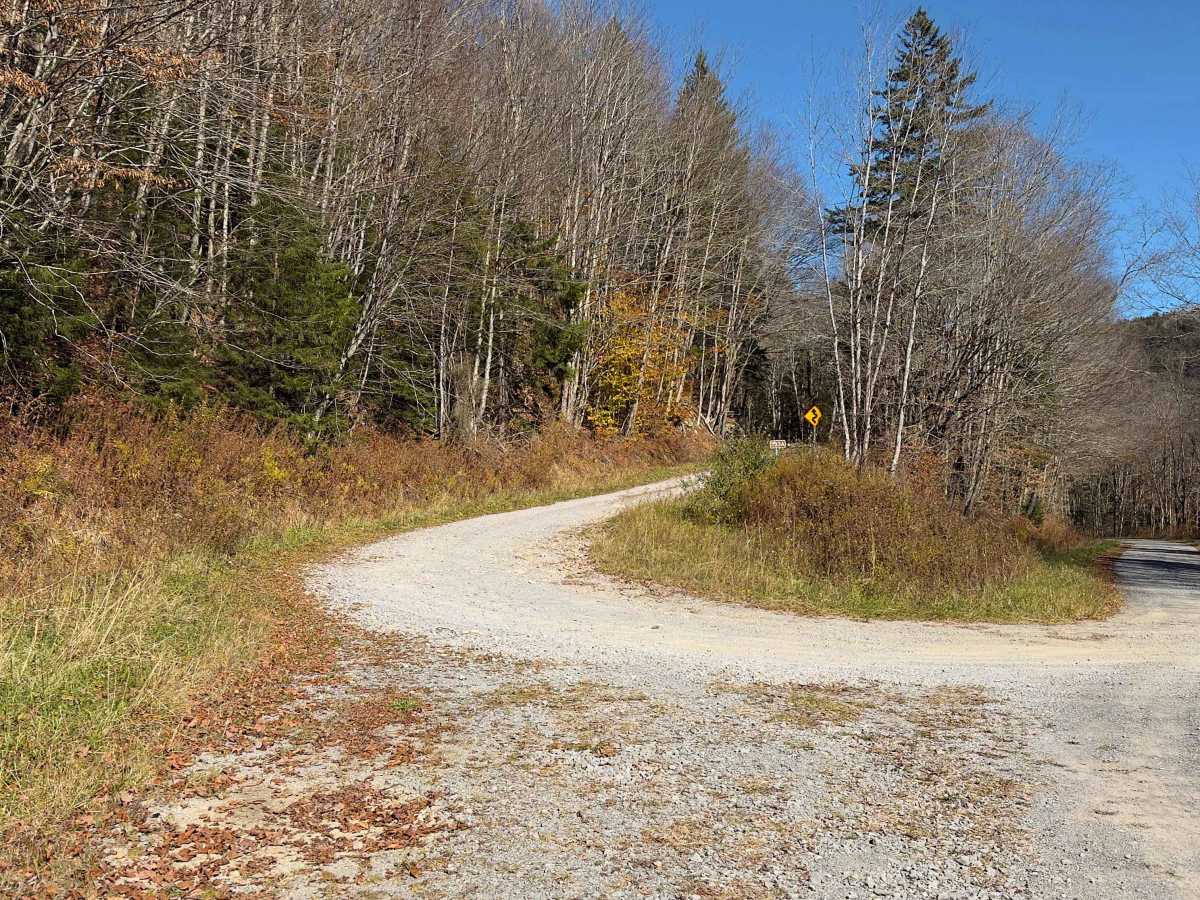
Hearth’s Hill FS 233A offers 3.8 miles of rugged driving in West Virginia’s Monongahela National Forest on Saturday.
This single-lane forest road moves through a mix of hardwood and evergreen forest, showing the impact of past logging and mining on Cheat Mountain.
The route demands more than just a standard gravel drive, featuring loose rocks and erosion ruts requiring careful attention.
A stock 4WD vehicle should handle it under favorable conditions, though the US Forest Service classifies it for high-clearance vehicles.
Interpretive signs along the way detail ecological restoration, specifically soil rehabilitation and the reestablishment of native red spruce forests.
“The route combines mild technical driving with mountain scenery near Snyder Knob, which reaches about 4,695 feet.”
The journey is an out-and-back adventure, terminating at rock barriers near the scenic ridge.
For those interested in the specifics of the route, the overview details this 3.8-mile drive in the Monongahela National Forest onX Offroad.
The difficulty is rated 2/10, yet the rough dirt and gravel necessitate more cautious driving than nearby maintained forest roads onX Offroad.
This isn’t just recreational driving; it touches on land stewardship affecting local ecological integrity.
The community most directly engaged here are those interested in responsible off-road recreation and the long-term health of federal lands.
The counterpoint often raised is that stricter access controls could protect the fragile ecosystem, balancing user desire against conservation imperative.
This interplay between public access and ecological amelioration is central to managing vast tracts of US public domain.
The Monongahela National Forest manages these mixed-use corridors, balancing recreation with active ecological restoration efforts.
This commitment to soil rehabilitation is crucial for mitigating historical disturbance across the region.
Officials overseeing the area maintain that careful use supports the reestablishment of native forest types.
Worth a look

ABC7 New York: Mild Friday, Sunday Rain Potential This Weekend
New York weather changes this weekend. Friday offers sunshine and mild mid-60s temperatures across much of the region,...

Walther’s Law and Gospel Study Begins at Concordia Seminary
Concord Matters introduces Walther's Law and Gospel study on Saturday. The need to distinguish between Law and Gospel...

Missouri State Lady Bears Face Kansas City at T-Mobile Center
Missouri State women's basketball takes a 4-1 record into Kansas City on Sunday for an 11 a.m. tipoff...

Honolulu Garlic Shrimp Party Trays and Bento Catering from Fumi’s
Honolulu party trays offer fresh garlic shrimp catering starting at $15.50 per serving this November 21, 2026. For...