
Heavy rain left the Formula 1 field sidelined on Thursday evening, resulting in a bizarre opening practice session at the Las Vegas Grand Prix where not a single driver managed to set a representative lap time.
While seventeen of the twenty-two drivers ventured out on full wet tires to gauge the track surface, the combination of standing water, frequent aquaplaning, and frigid temperatures rendered high-speed running impossible, according to reporting by The Race.
The lack of data is a significant setback for teams hoping to refine their setups on the high-speed street circuit. For the Haas team, in particular, the washout proved especially costly.
The American squad had arrived in Nevada with a new “flipping” rear wing configuration—a design philosophy shared by several top-tier rivals—but the persistent deluge meant they could not conduct any meaningful testing of the component, The Race reported.
The session was characterized by caution, with most teams opting to keep their cars tucked away in the garages for the majority of the hour. Sergio Perez was the first to break cover for Cadillac, though he completed only an installation lap before returning to the pits, as detailed by sports.yahoo.com. Others followed suit, including reserve drivers and junior prospects taking over cockpit duties for the weekend.

Among those testing were Ferrari’s Dino Beganovic, stepping in for Lewis Hamilton, and Jak Crawford, who took the wheel of the Aston Martin in place of Fernando Alonso.
Haas reserve Ryo Hirakawa also participated, though like the rest of the field, his time on track was limited to exploring the treacherous conditions. Kimi Antonelli, driving for Mercedes, was among those who explicitly noted the difficulty, complaining of “aquaplaning everywhere” while attempting to navigate the circuit, sports.yahoo.com reported.
Mercedes faced a specific challenge beyond just the weather. The team had planned to debut an upgraded turbocharger on their 2026 power unit, fitted exclusively to Antonelli’s car to avoid a grid penalty for George Russell.
With the session effectively abandoned, the team was left with no data on the performance of the new hardware. They must now wait for the second practice session to understand how the upgrade behaves under race conditions, especially as Antonelli is already slated to serve a five-place grid penalty in the feature race.
Despite the lack of competitive times, a few drivers did manage to clock a handful of laps. Haas recruit Rafael Camara was the most active, venturing out twice to lead the session in mileage. The two Alpine cars also completed a brief out-and-in run toward the end of the hour, which included performing practice starts on the damp tarmac.
The disparity between the planned technical evaluations and the reality of the standing water highlights the volatility of the Las Vegas weather. Teams are now looking toward the second practice session, where current forecasts suggest more manageable conditions. Whether the lost time in the first session will force a shift in strategy for the remainder of the weekend remains an open question for the grid.
“Although 17 of the 22 drivers went out on full wets to explore the track and its conditions, none found the grip needed to try a flying lap amid the standing water and consistent aquaplaning caused by the rain,” sports.yahoo.com noted in its coverage of the event.
Worth a look

Quotatrip Details Tailor-Made Holidays in Saint Pierre and Miquelon
Tailor-made holidays in Saint Pierre and Miquelon let travelers experience a unique slice of France on the edge...
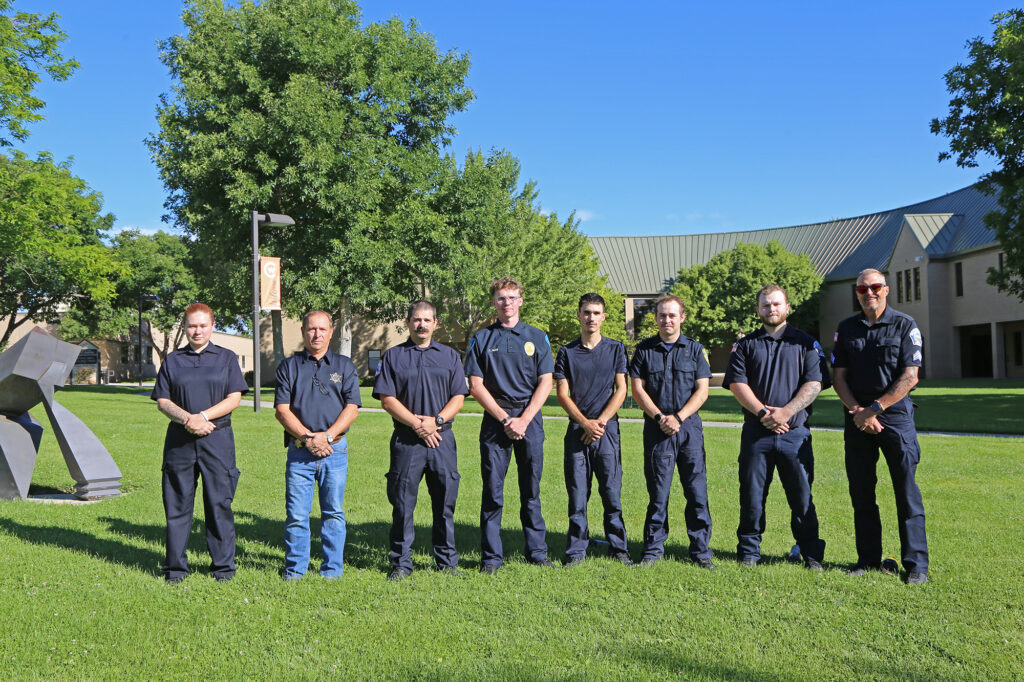
Central Wyoming College Honors First Police Academy Graduates, Opens Spring 2027 Enrollment
Six cadets will graduate on Friday, December 11, from the first training cohort at Central Wyoming College, starting...
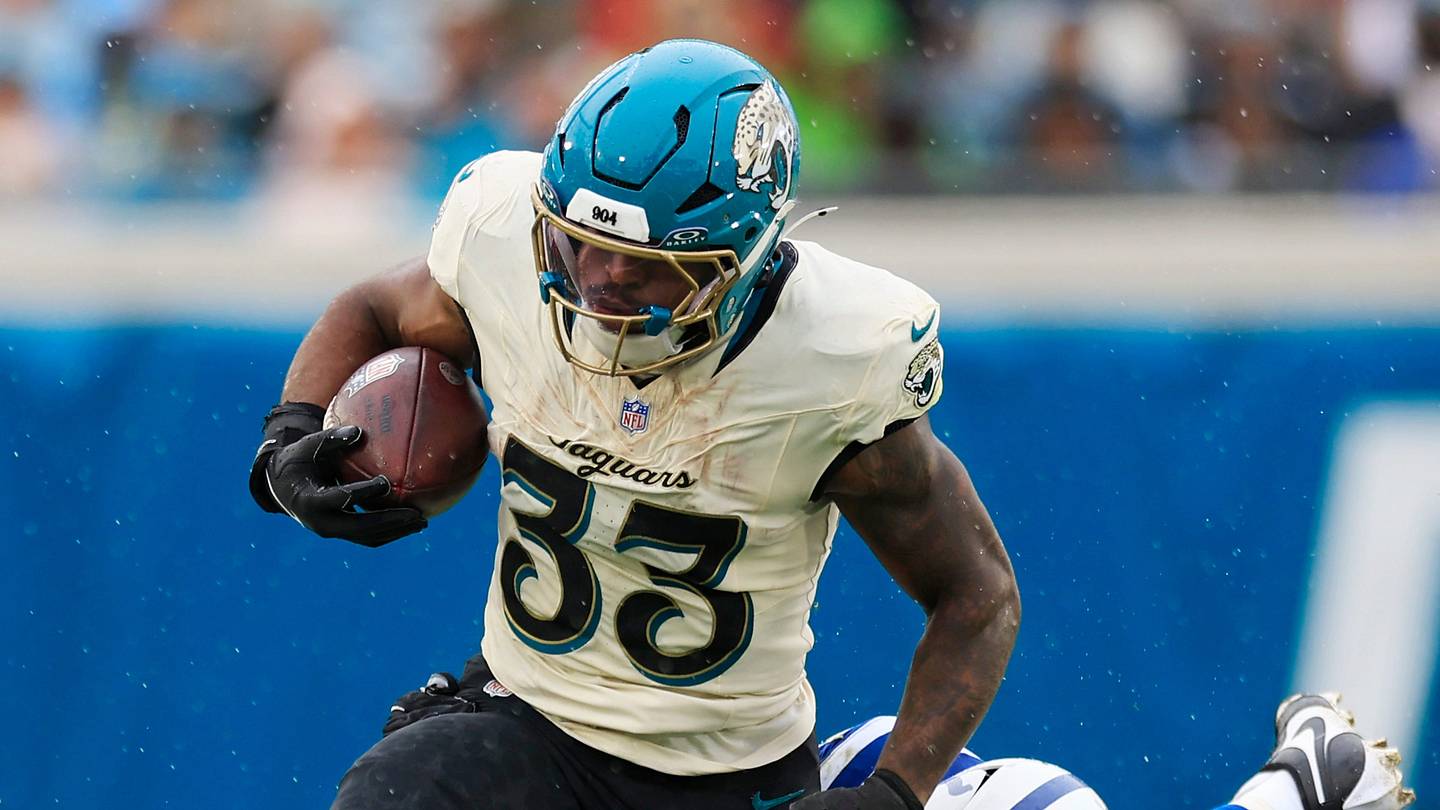
Jaguars RB Bhayshul Tuten Downgraded to DNP Thursday, Status Key Vs. Giants
Bhayshul Tuten carried the ball 26 times against the Tennessee Titans on Sunday, absorbing hits while managing an...
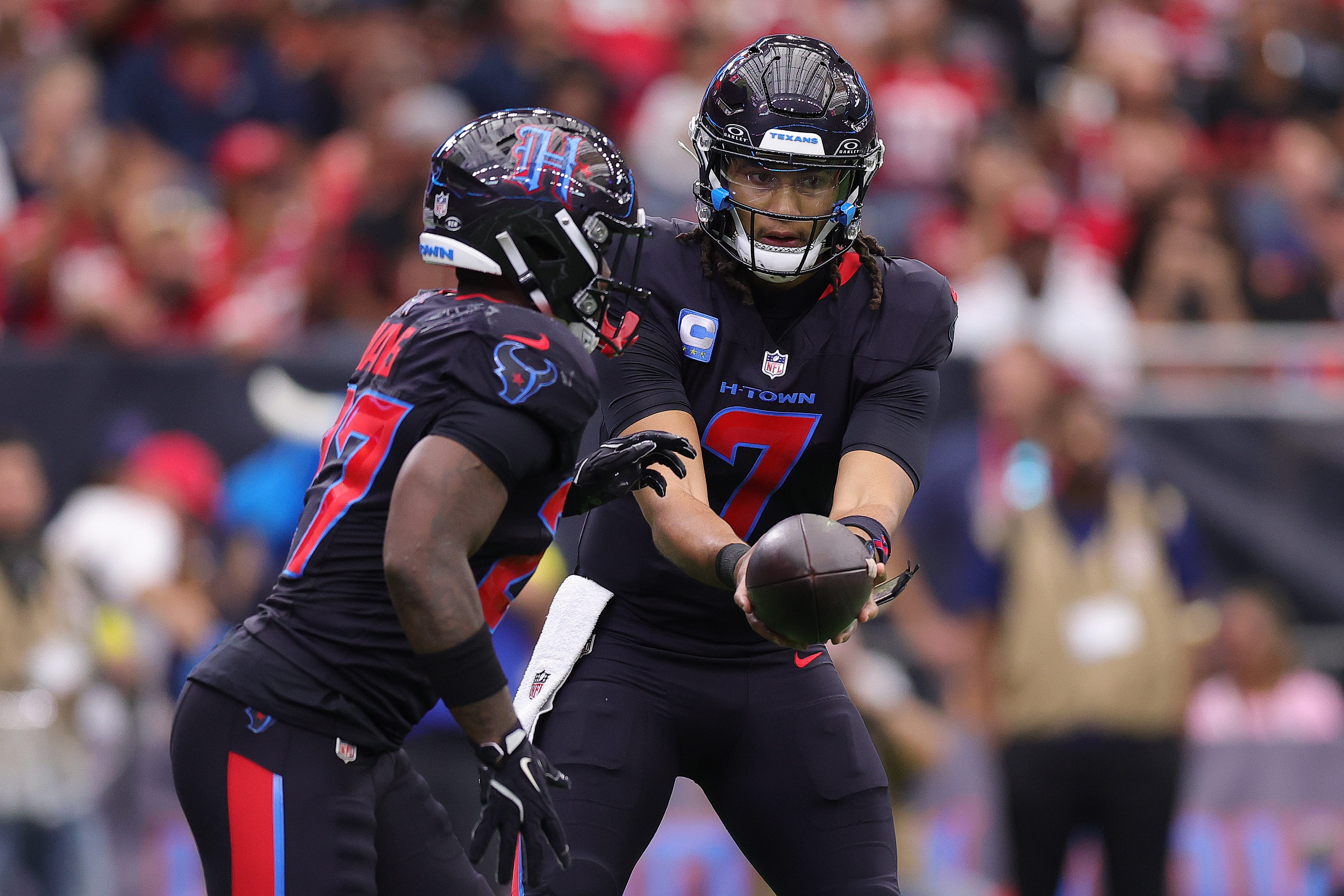
Texans Debut ‘HOUSTON/US’ Uniforms Inspired by Street Tiles, Car Culture
Street tiles dating to the early 20th century and local car culture inspired the Houston Texans' new "HOUSTON/US"...