
The Bipartisan American Affordability and Jobs Act cleared a key procedural vote Monday and is slated for a House Rules Committee hearing this afternoon, with a possible floor vote before the chamber adjourns on Dec. 17.
Sheldon Whitehouse, D-R.I., Mike Lee, R-Utah, and Shelley Moore Capito, R-W.Va., would streamline federal reviews for transmission lines, pipelines, mining and data-center grid connections. Martin Heinrich, who is in line to chair the Senate Energy and Natural Resources Committee in January, argues the 417-page bill is essential to unclog a backlog that keeps carbon-free projects offline and raises household costs.
“It’s hard to disagree with your friends,” Heinrich told the Albuquerque Journal. “Especially when you do big things, sometimes it requires you to disagree on the merits with people that you really like and respect.” He added, “Those are hard moments, but they’re the ones that really define leadership.”
Independent analyses released this month by the Center for Climate and Energy Solutions, Grid Strategies and two other groups project the bill would cut household electricity bills by $50 to $78 annually by 2040, reduce power-sector emissions by about 20%, prevent roughly 6,700 premature deaths and save $54 billion in public health costs through 2040, Heinrich’s office said. “Americans are tired of paying more in utility bills while projects that could lower costs sit stuck in the planning phase for years,” Heinrich said in a statement. “These independent analyses show exactly what we stand to gain by fixing our broken permitting system: lower electricity bills, cleaner air, healthier communities, and more reliable energy infrastructure.”
A separate Grid Strategies review estimates data centers would pay $55 billion to utilities over the next decade — $35 billion more than under current policy — with those funds used to lower transmission costs for ratepayers. “When demand is growing and supply can’t keep up, costs go up,” said Nat Keohane, president of the Center for Climate and Energy Solutions.
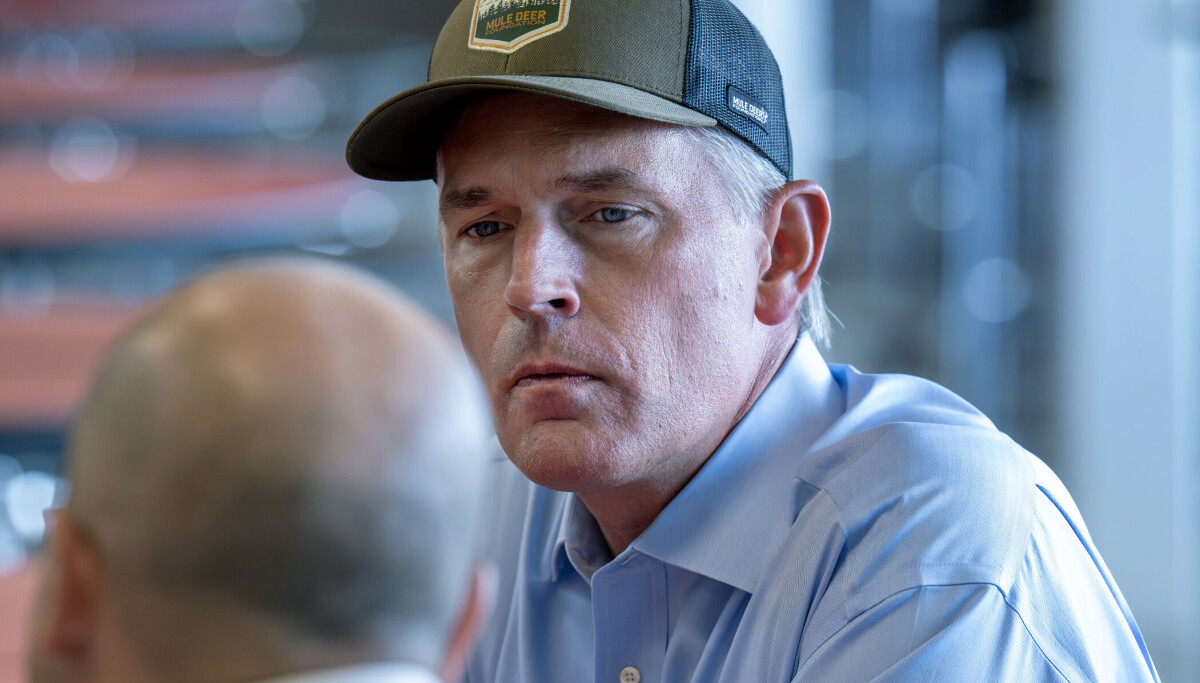
“It’s hard to disagree with your friends,” Heinrich told the Albuquerque Journal. “Especially when you do big things, sometimes it requires you to disagree on the merits with people that you really like and respect.”
Sen. Ben Ray Luján, D-N.M., voted against advancing the bill. Reps. Melanie Stansbury, Teresa Leger Fernández and Gabe Vasquez have all opposed it. The All Pueblo Council of Governors, representing New Mexico’s 19 sovereign pueblos, said the measure was drafted without tribal consultation and would weaken the Clean Water Act and protections for cultural resources and sacred sites.
“This bill was written without consulting us, and as written it would weaken the laws we rely on to protect our water, our cultural resources, and our sacred places,” said former Santa Ana Pueblo Gov. Joey Sanchez, chairman of the council.
Manny Crespin, a New Mexico-based DNC member representing the Western region, wrote on Facebook that “the 2030 election should bring serious accountability for Senator Heinrich,” adding the hashtags #NewMexicoDeservesBetter and #Primary2030.
Political analyst Brian Sanderoff said Heinrich’s “reservoir of support among environmentalists, progressives, and Native Americans is being put to the test,” and that he has been “unsuccessful in allaying the fears and concerns of an important part of his base.”

Heinrich acknowledged the friction in a statement to the Santa Fe New Mexican: “It would be a whole lot easier if everyone agreed with you all the time… real leadership sometimes means being willing to disagree with people you like and respect, and standing up for what you believe is right, even when it’s difficult.”
He also pledged to pursue public-lands protections and data-center regulations as committee chair. “We’re in sort of a hyper-partisan time in our country’s history,” he said.
The Senate Energy and Natural Resources Committee, as outlined in its jurisdiction under Rule XXV, holds authority over energy policy, energy regulation and conservation, and mineral lands and mining claims. This committee is charged with studying and reviewing matters relating to energy and resources development on a comprehensive basis.
In the 119th Congress, Martin Heinrich will assume the role of committee chair, giving him the platform to advance or reshape permitting legislation through the committee’s established oversight of energy-related projects and infrastructure.
The bill’s fate now turns on the House, where it is slated for a hearing before a Dec. 17 adjournment. Martin Heinrich has said he intends to push the measure through both chambers before the new Congress convenes.
Related reading

Columbia beat Hawaii 65-53 in Rainbow Wahine Showdown
Columbia rallied in the fourth quarter to beat Hawaii 65-53 on Saturday in the American Savings Bank Rainbow...
Hailey Bieber Credits Optimistical Delusion For Billion Dollar Rhode Deal
Hailey Bieber attributes her billion-dollar sale of Rhode to a mindset of “optimistical delusion.” The founder spoke to...

Milwaukee Bucks Beat Oklahoma City Thunder 119-111 to Snap Two-Game Losing Streak
Milwaukee beat Oklahoma City 119-111 on Saturday night at Fiserv Forum while the Thunder played without five rotation...

Kyle Whittingham Says Things Need Fixing After Michigan Loss to Ohio State
Michigan fell to 6-6 on Saturday with a 45-0 loss at Ohio Stadium, the most lopsided defeat in...