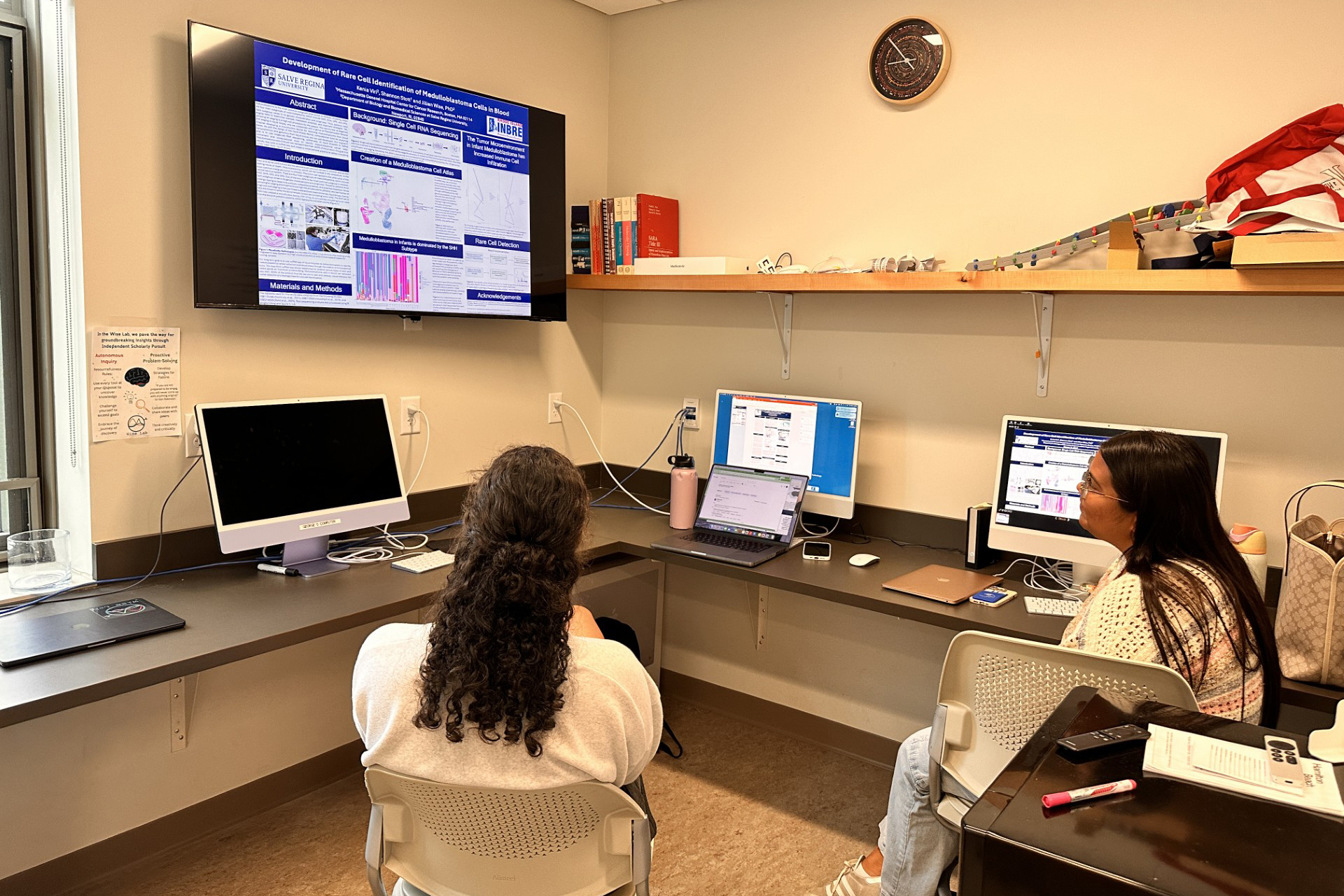
Students at Salve Regina University are investigating pediatric brain cancer and COVID-19 variations using machine learning and genetic data in the WiseLab, Salve Regina University reported.
Led by Dr. Jillian Wise, assistant professor of biology and biomedical sciences, the lab collaborates with researchers at Massachusetts General Hospital and Boston University. Undergraduates analyze real patient data and present findings nationally.
Biochemistry major Kenia Viri ’27 is investigating what causes medulloblastoma, a pediatric brain cancer, to return after treatment. The research explores whether rare cells circulating in the bloodstream can reveal information about the cancer without requiring invasive procedures.
“We’re able to analyze it computationally,” Viri told Salve Regina University, explaining that annotating cells requires precision. “It takes a lot of work to annotate and decide what cells are which, and you don’t want to get them wrong.”
Viri is testing how accurately existing computational tools identify rare cells using datasets from 10 healthy pediatric blood samples. “Sometimes these tools can tell us there are cancer cells present when there actually aren’t any,” Viri said. “The goal is to improve the accuracy of these tools so researchers can more reliably identify rare cells that could provide clues about cancer.”
Biology major Calvin Dymond ’26 focused his WiseLab research on why COVID-19 affects patients differently. Dymond analyzed genetic data from patient blood samples to identify potential indicators of illness severity.
“We would take these massive datasets, sometimes hundreds of thousands of numbers, and we would be able to transform that into figures that actually explained what the different values meant,” Dymond told Salve Regina University.
The team identified two groups of genes associated with cell cycle and DNA repair that showed increased activity in patients with more severe illness. Dymond now works as a research engineer in Dr. Shannon Stott’s laboratory at Massachusetts General Hospital, studying long COVID-19 and several forms of cancer.
Both Viri and Dymond presented their work at Harvard University’s National Collegiate Research Conference. Viri also presented at the New England Computational Biology Conference in October.
“Going to conferences really helps you see that you’re building your foundation in college,” Viri said. “It’s exciting to hear people already in their careers talking about tools that we’re using and things that I know.”
Worth a look
Seattle/King County Clinic to Close After 2027 Event
Free healthcare events in Seattle face an end after more than a decade of operation. Seattle's Child reported...

A&M Consolidated Defeats Richmond Randle 28-24 in Playoff Opener
A late touchdown pass on third-and-long handed Richmond Randle a stunning 28-24 defeat against College Station A&M Consolidated...

Utah Beats Weber State 85-64 as Alec Anigbata Scores Career-High 21
The Utah Utes secured an 85-64 victory over Weber State on Tuesday at the Huntsman Center, overcoming a...
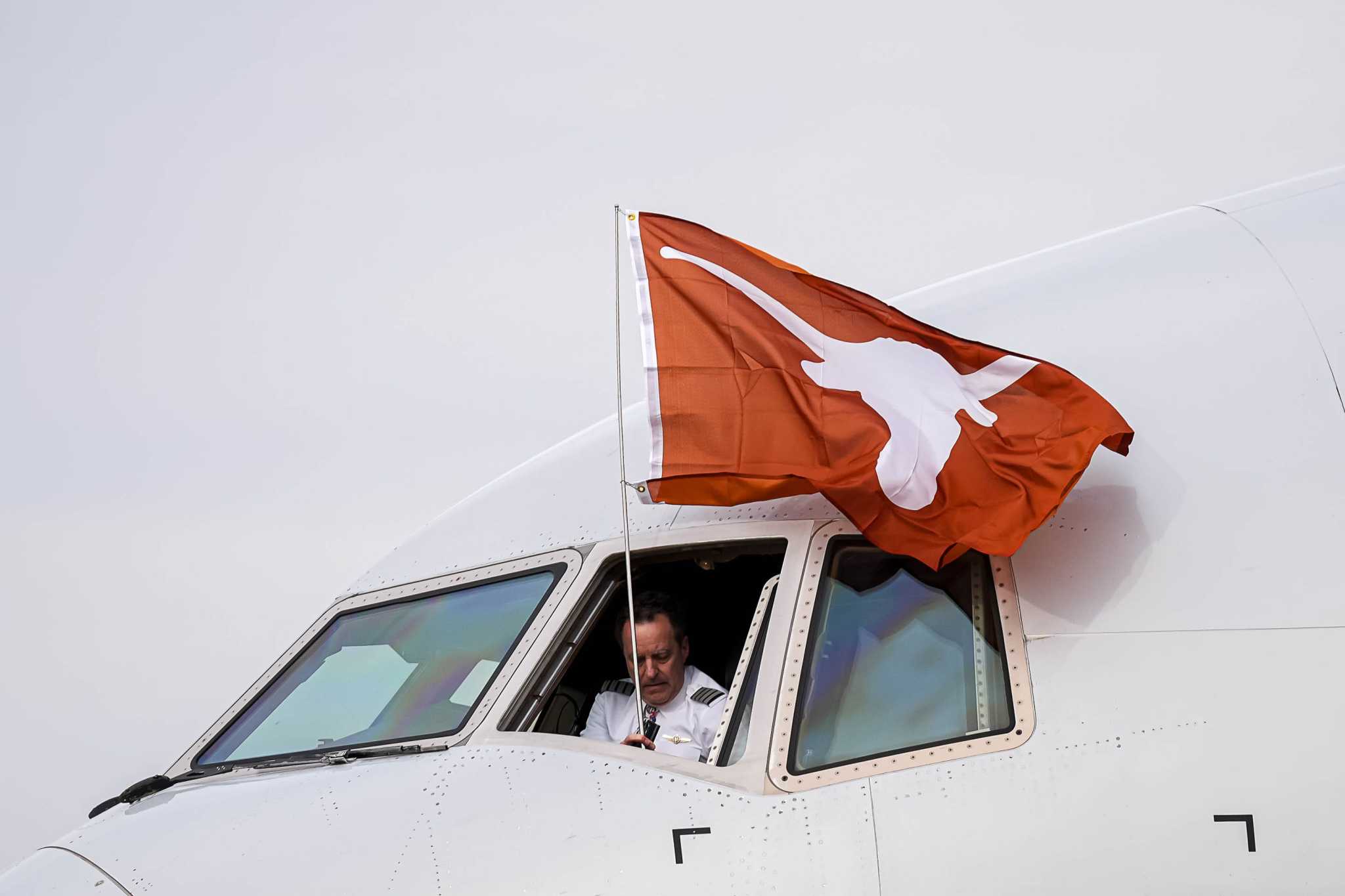
FAA Ground Stop Delays Texas Longhorns Travel Ahead of LSU Game
Texas football team members boarded their chartered American Airlines plane on Friday afternoon, only to return to their...