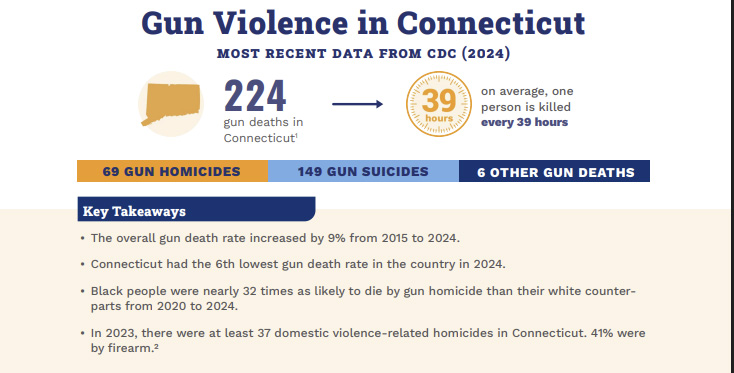
Connecticut maintains the sixth-lowest gun death rate nationwide at less than half the national rate, a safety record built over decades of state regulation now facing simultaneous legal threats from Washington.
In December 2012, following the murders of 20 children and six educators at Sandy Hook Elementary, Connecticut lawmakers crossed party lines to enact strict gun safety legislation. The CT Mirror reported that this framework established a ban on military-style assault weapons, limits on high-capacity magazines, and a permitting system that asks a simple, yet rarely asked, question before someone acquires a firearm: should this person have one?
That legislative architecture now faces challenges on two separate fronts. This summer, the U.S. Supreme Court agreed to hear a challenge targeting the assault rifle ban written in the wake of Sandy Hook. A ruling against the state would impact a dozen other states enforcing similar restrictions.
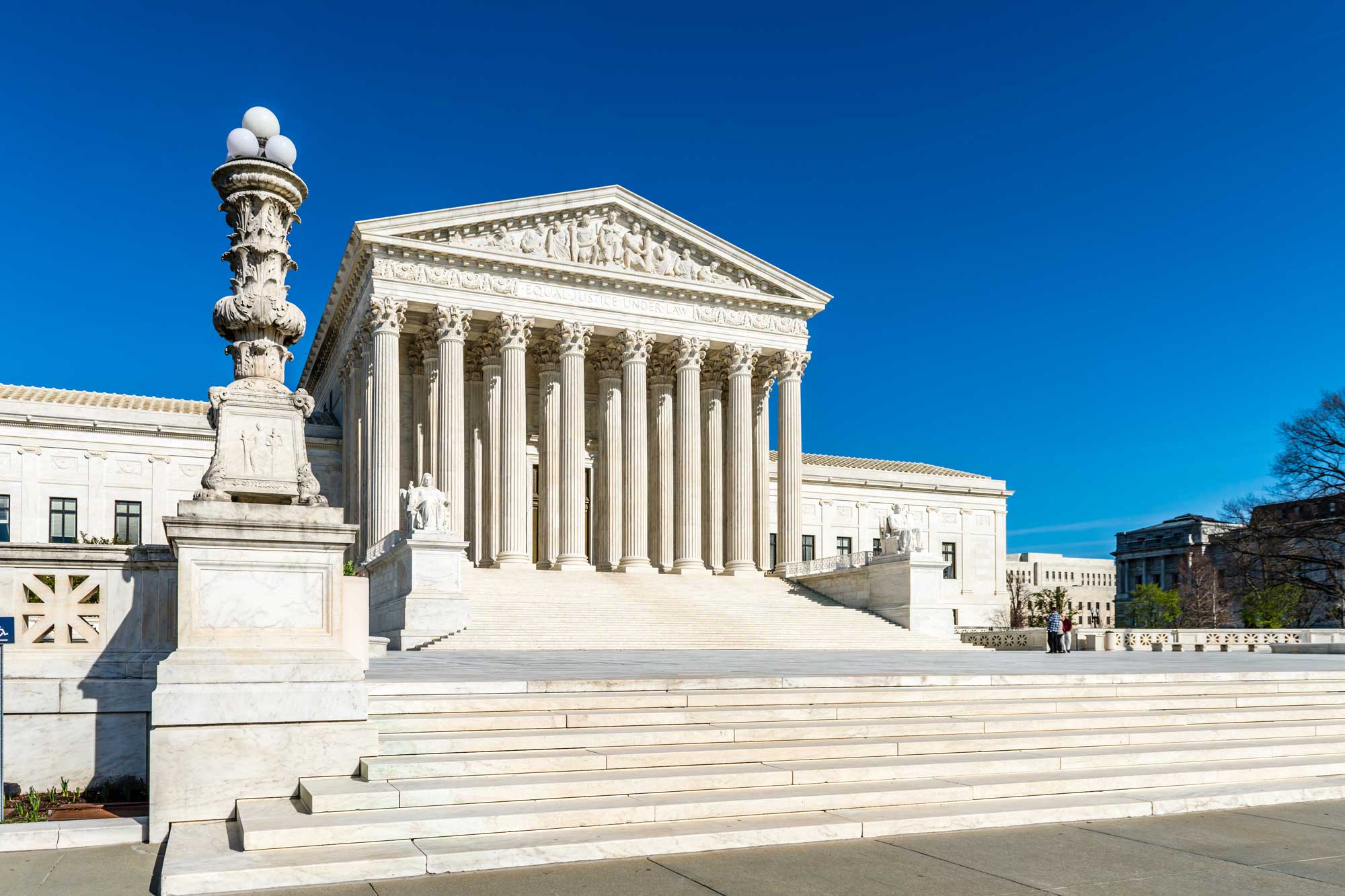
Pressure is also mounting from the federal executive branch. In October, the U.S. Department of Justice’s Civil Rights Division opened an investigation into how local police departments in Middletown and Waterbury issue firearm permits, examining whether officials are “unnecessarily” delaying or denying applications.
The local permit review process operates in tandem with the state’s Extreme Risk Protection Order system. Following a 1999 shooting at the Connecticut Lottery headquarters that left four people dead, the state enacted the nation’s first red flag law enabling police to petition judges for the temporary removal of firearms from individuals posing imminent danger.
Lawmakers expanded the statute in 2021 to allow family members, household members, and medical professionals to petition courts directly.
When judges issue these orders, subjects are flagged in the system police use to review permit applications. Federal scrutiny that pressures police to process permits faster and ask fewer questions threatens that interconnected screening process.
The Justice Department has not publicly explained its selection of Middletown and Waterbury for the inquiry, and its notification letters acknowledge that investigators have reached no conclusions.
Research by Johns Hopkins researchers examining Connecticut’s permit-to-purchase mandate found an association with a 40 percent decline in gun homicides over the decade following implementation.
State leaders and local officials face decisions on how to respond as the Supreme Court prepares to hear the assault weapons case and federal investigators continue their inquiries into local permitting practices.
Related reading

Washington Defeats Michigan State 21-14 in East Lansing
Jayden Limar rushed for a tiebreaking 1-yard touchdown with 2:24 left on Saturday night in East Lansing, helping...

LSU Guard MiLaysia Fulwiley Arrested After Allegedly Fleeing Traffic Stop
Driving away from a traffic stop on Saturday night, LSU guard MiLaysia Fulwiley allegedly struck a police vehicle...

No. 7 Louisville Blows Out UConn in Largest Defeat in 20 Years
The UConn women’s basketball team suffered a 69-51 blowout loss against the No. 7 Louisville Cardinals on Sunday...

Eddie Applefeld Recommends Luray Stays, Dinner Theatre and Art
In a travel feature for the Baltimore Post-Examiner, Eddie Applefeld outlines a winter itinerary from Luray, Virginia, to...