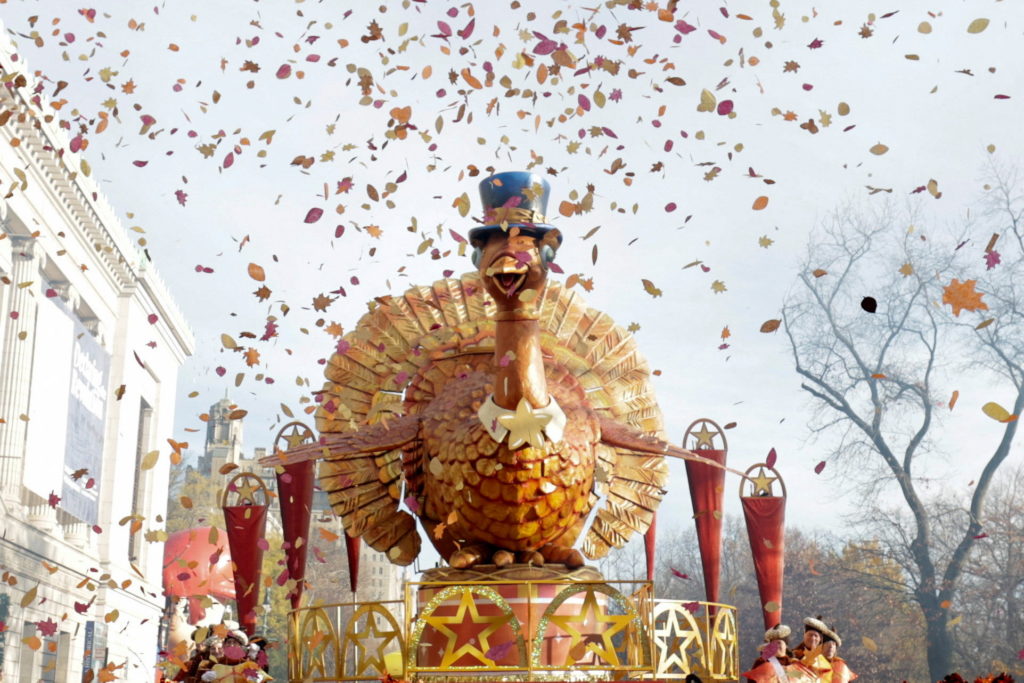
The Thanksgiving holiday observed today was established as a national observance during the Civil War, not in 1621, and its modern traditions were largely shaped by a 19th-century magazine editor, according to an article published Saturday by The Conversation and carried by PBS.
Historian Elizabeth Pleck notes that Sarah Josepha Hale, editor of Godey’s Lady’s Book, spent decades petitioning presidents to declare a unified Thanksgiving. Abraham Lincoln acted on her appeals in 1863, hoping a holiday centered on a shared origin story would help unite a fractured nation. Hale, who was born in New Hampshire in 1788, petitioned five presidents before Lincoln responded.
The holiday caught on gradually; Catholics were slow to embrace it given the Protestant origins of early Americans’ feast and fast days, the South was late to adopt it because of its association with Lincoln and the war, and it was less celebrated on the frontier where single men dominated.
Hale designed the menu and the meaning
Through Godey’s, Hale published recipes for turkey, cranberry sauce, and elaborately decorated pies — establishing the holiday’s culinary template. She framed the feast as a celebration of “women’s work” at a time when industrialization was making domestic labor less visible, and she promoted the day as a moment for scattered families to return home and tell the national story, beginning with the Pilgrims.
Assimilation tool for immigrants
By the late 19th century, public schools used Thanksgiving to assimilate new arrivals. Children brought home recipe cards and reenacted the 1621 feast, learning to see the Pilgrims as the spiritual ancestors of all Americans. The holiday became, in Pleck’s words, a way to include newcomers in the national myth.
Contested imagery in the press
Political cartoonist Thomas Nast illustrated this inclusive vision in Harper’s Weekly in 1869, depicting Americans of many races and ethnicities dining as equals under portraits of presidents. The image appeared one year after the 14th Amendment granted birthright citizenship and four years after the 13th Amendment ended slavery.
Eight years later, G.F. Keller drew a contrasting cartoon for the San Francisco Wasp showing disheveled male immigrants eating stereotyped national foods, suggesting they could never truly become American.
Families adapted the feast
Immigrant households often blended the prescribed menu with their own traditions. Jewish families adopted Crisco, invented in the early 1900s, to prepare nondairy desserts that kept kosher. In one New England household, an Indian neighbor transformed a classic cranberry relish into a spiced chutney by weekend’s end; at another table, matzah ball soup opened the meal.
“Us offspring of Jewish immigrants — our own exiled fathers who had crossed the seas — and the traditions of Protestant America,” one Jewish immigrant recalled of his childhood Thanksgivings, as quoted by Pleck.

The Typical Retiree Past 75 Is Worth $504,600, More Than Any Younger Age Group – 24/7 Wall St.
24/7 Wall St. used the Fed's 75-plus medians to split $504,600 into $184,000 of financial assets and $320,600...
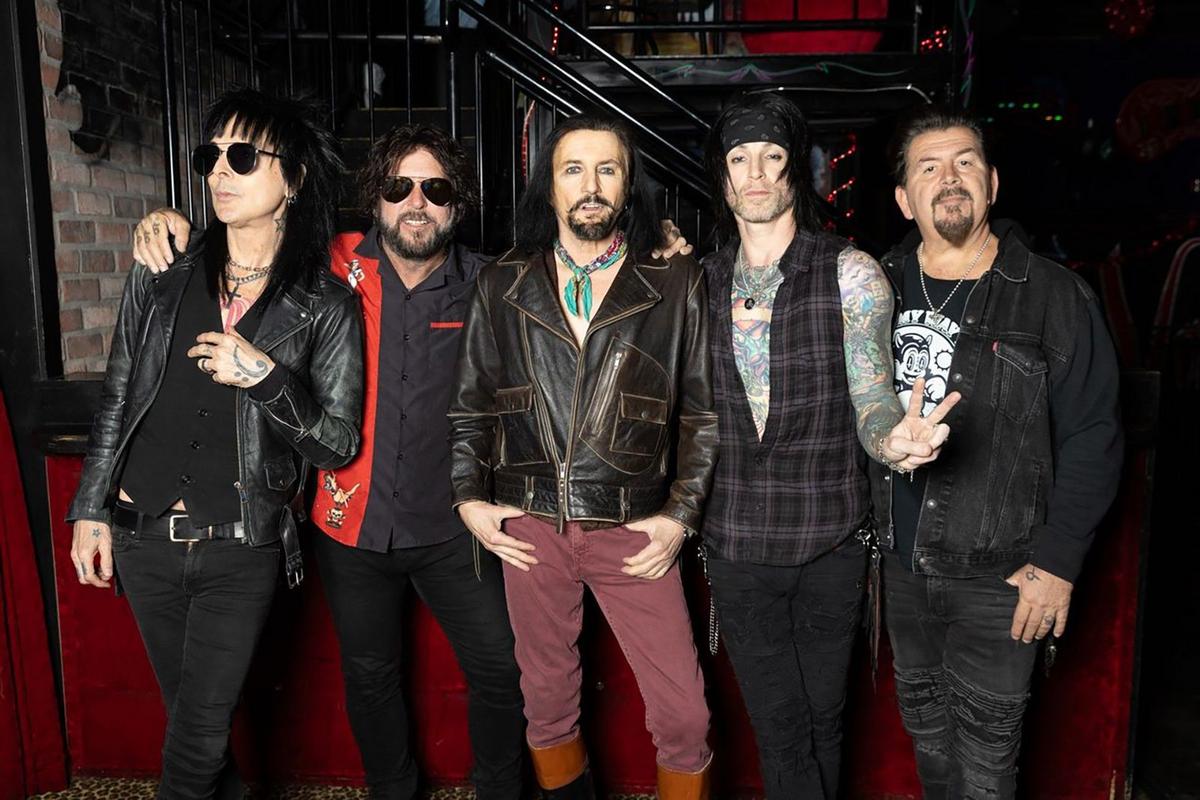
L.A. Guns Announce 2027 ‘Lucky MF’er’ Tour Dates
L.A. Guns will ring in the new year with six California shows before a cross-country run that opens...

Clemson Falls to Vermont 6-5 in Penalty Kicks After 0-0 NCAA Draw
Clemson's season ended Sunday night at Historic Riggs Field when the fifth-seeded Tigers fell 6-5 on penalty kicks...

Madison Bontempo Clarifies On-Air Comment About Staying With Husband
"The Secret Lives of Mormon Wives: Orange County" star Madison Bontempo clarified comments she made on the show...