In 2025, a single metro Atlanta high school opened a $62 million stadium with 10,000 seats and 15 suites; in Albany, three programs still play in a limestone bowl the city built with WPA labor in 1936.
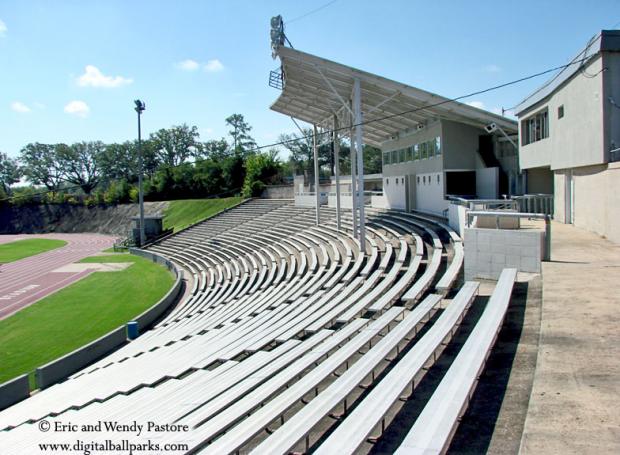
Hugh Mills Stadium began as Albany Municipal Stadium, a Works Progress Administration project during the Great Depression, Albany Herald reported. Contemporary accounts called it the finest of Georgia’s WPA projects and noted the natural limesink did much of the work giving the bowl its shape. President Franklin Delano Roosevelt planned to speak at the new stadium, though no record confirms he did.
On Sept. 25, 1936, four 1,500-watt bulbs illuminated the first high school football game; 1,479 spectators watched Albany High defeat Sylvester 48-0. The old grandstand still curves around the former home plate — the St. Louis Cardinals organization had shown interest before construction, and Dizzy Dean appeared for an exhibition.
The minor league Albany Cardinals followed; their 1949 team won 96 games behind left-hander Wilmer Mizell, who struck out 175 batters in 141 innings before reaching the majors as “Vinegar Bend.”
The venue was renamed for Hugh Mills, a former Albany High athletic director who died in 1952. East stands rose in the early 1960s where outfielders once chased flies. Today the home sideline shifts with the schedule: Dougherty, an east Albany school, uses the east stands; Monroe and Westover use the west.
“It reminded me of a place where gladiators might have fought,” said Chase Sotsky, who joined WALB in September and viewed a game from the rim this fall.
Spectators sit above the action, looking down into the depression — a perspective that framed the 2005 Class AAA final, when a standing-room crowd watched Ronnye Nelson hit LaValle Parker for an 85-yard touchdown on the opening play. Peach County rallied for a 35-14 victory over Dougherty.

Dougherty entered Friday’s Class 4A quarterfinal against Mary Persons one win from its first state semifinal trip since that 2005 night. At Hugh Mills, the first challenge on a big Friday remains parking: a west-side lot and a few perimeter spaces fill quickly, sending fans onto neighborhood streets for the walk to the bowl’s edge — the same walk families made 90 years ago when fewer owned cars.
Keep reading
Mississippi Highway Patrol Troopers Responded to the Crash
Mississippi Highway Patrol troopers responded to the crash. The injured individuals were transported by helicopter for medical treatment,...
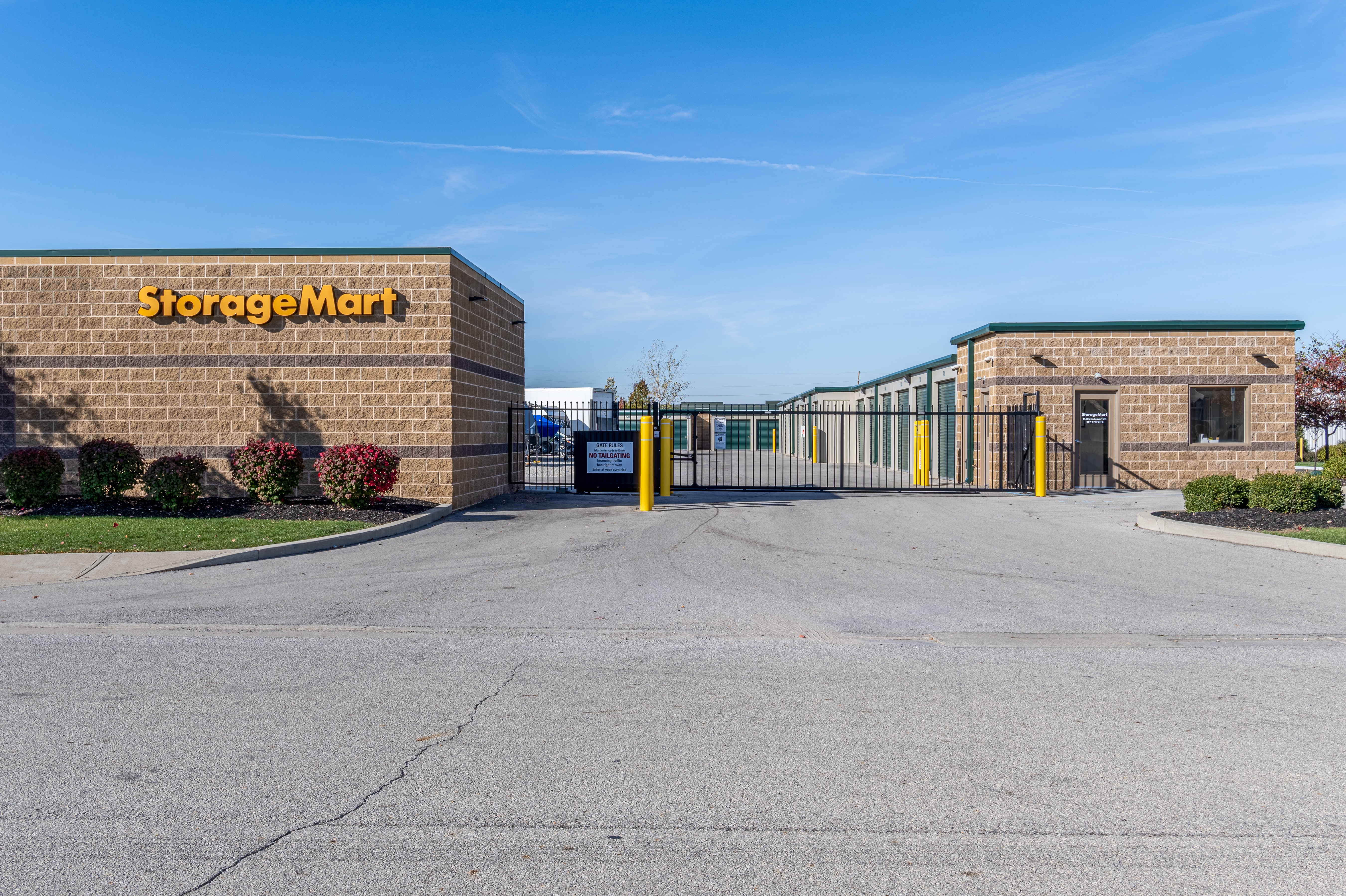
StorageMart Now Offering Self-Storage Units in Noblesville, Indiana
StorageMart on Endeavor Drive in Noblesville, Indiana, is now offering self-storage units for residents and businesses. The facility...

Judge Denies Child Support Request From Former Kentucky Gov. Matt Bevin’s Son
A Jefferson Family Court judge denied a request for child support from former Kentucky Gov. Matt Bevin’s son,...
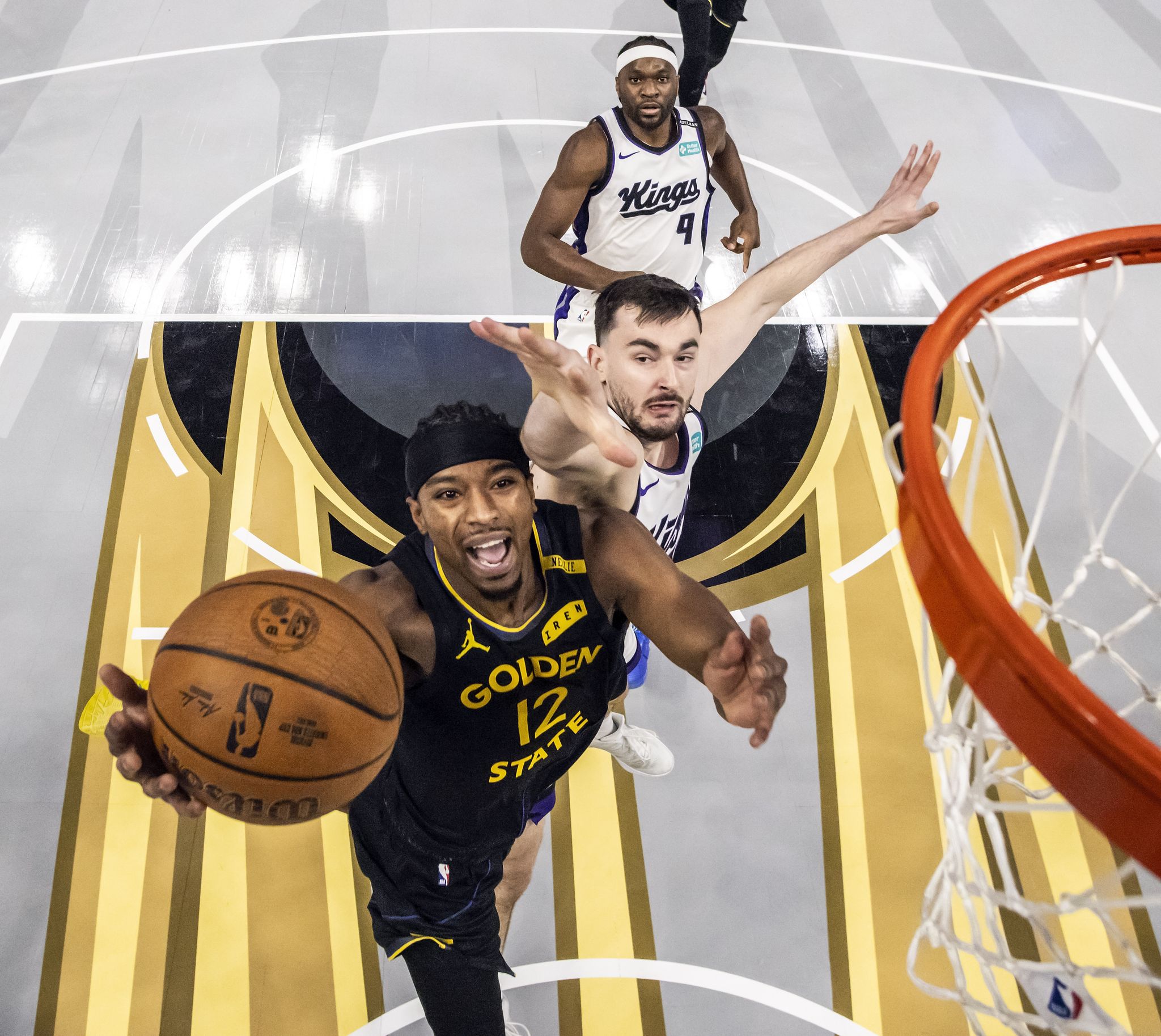
Warriors Drain 20 3-Pointers to Beat Kings 129-110 Behind Melton’s Eight Tied Career High
The Golden State Warriors secured a 129-110 victory over the Sacramento Kings on Wednesday night, fueled by a...