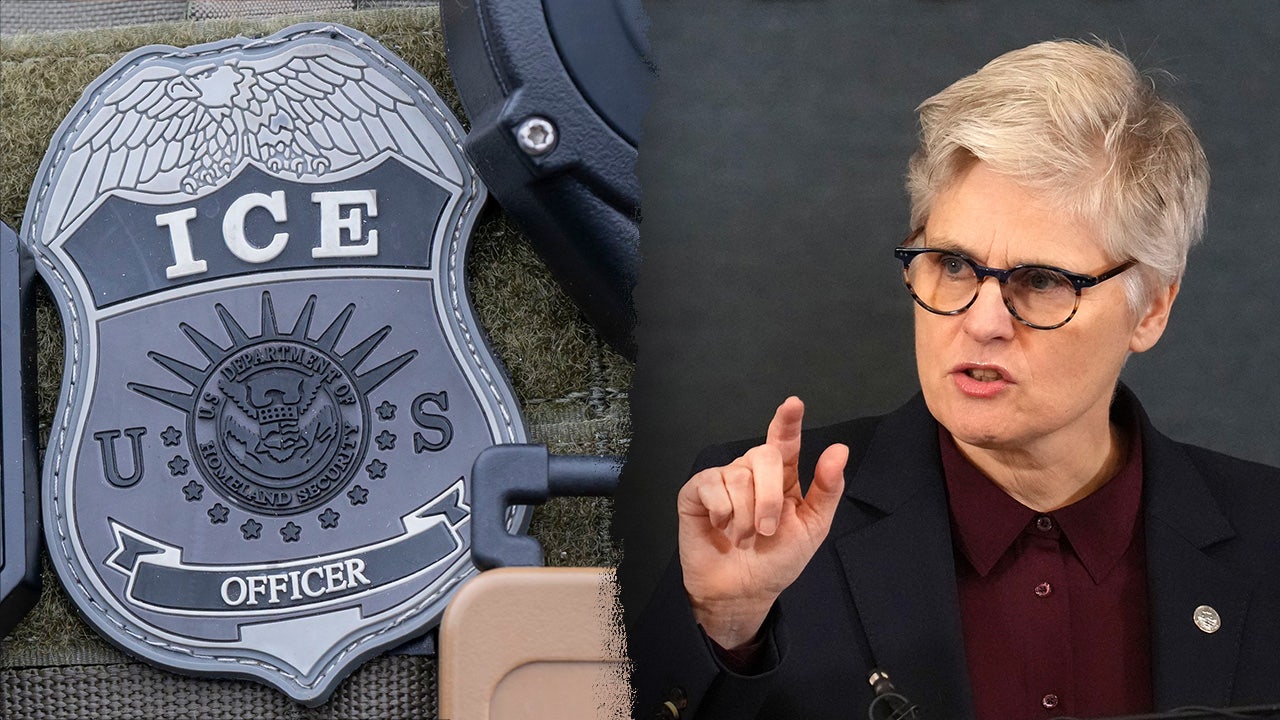
An ICE agent faces up to six years in prison after a February highway encounter in which no one was injured, a case his attorneys say could embolden prosecutors nationwide to charge federal officers carrying out President Donald Trump’s immigration crackdown.
ICE agent Gregory Morgan was charged April 16 with two counts of second-degree assault with a dangerous weapon by Hennepin County Attorney Mary Moriarty. The charges stem from a Feb. 5 incident during Operation Metro Surge, when Morgan was returning to base after withdrawing from a neighborhood where a protester had threatened to kill him, Fox News reported. Morgan’s attorneys contend he mistakenly drove on the highway shoulder because he was unfamiliar with Minnesota roads. Fearing for his safety and that of his fellow agent, Morgan yelled “Police, back off” and displayed his gun in a “low-ready” position. The defense rests partly on a federal law dating to the War of 1812 that allows federal officers facing state charges to move their cases to federal court if the conduct is sufficiently connected to official duties and they have a plausible federal defense. Paulose called the nationwide arrest warrant issued for Morgan despite his willingness to surrender “political grandstanding.”
Defense attorney Ryan Pacyga characterized the warrant as a “stunt,” questioning why prosecutors waited 10 weeks to charge Morgan while later arguing he posed a danger warranting $100,000 bail.
Both Cadillac occupants invoked their Fifth Amendment rights and did not testify at an evidentiary hearing, while Morgan testified and faced cross-examination, according to the latest defense filing. The driver told investigators he “got the ICE vibe from him at first” and acknowledged making the “not so bright decision to try to stop” Morgan’s vehicle. U.S. District Judge Nancy Brasel will decide whether the case remains in federal court, where Morgan’s attorneys would seek dismissal under the Constitution’s supremacy clause.
A federal trial would draw jurors from across the southern two-thirds of Minnesota, which Pacyga said would insulate Morgan from local hostility toward ICE. If the case returns to state court, the defense is prepared to appeal to the 8th Circuit.
“There are a lot of different cases around the nation that are watching this case,” Pacyga said. “This literally is at the tip of the spear.”
Morgan, a father sharing custody of his daughter, has already lost tens of thousands of dollars in income after being reassigned to duties preventing overtime work, Pacyga said. And it’s really disheartening.”
Worth a look
Rhode Island Motorcycle Crash Insurance Limits and Court Rulings
Rhode Island's minimum auto liability limits leave motorcycle crash victims exposed to coverage shortfalls, with two recent state...
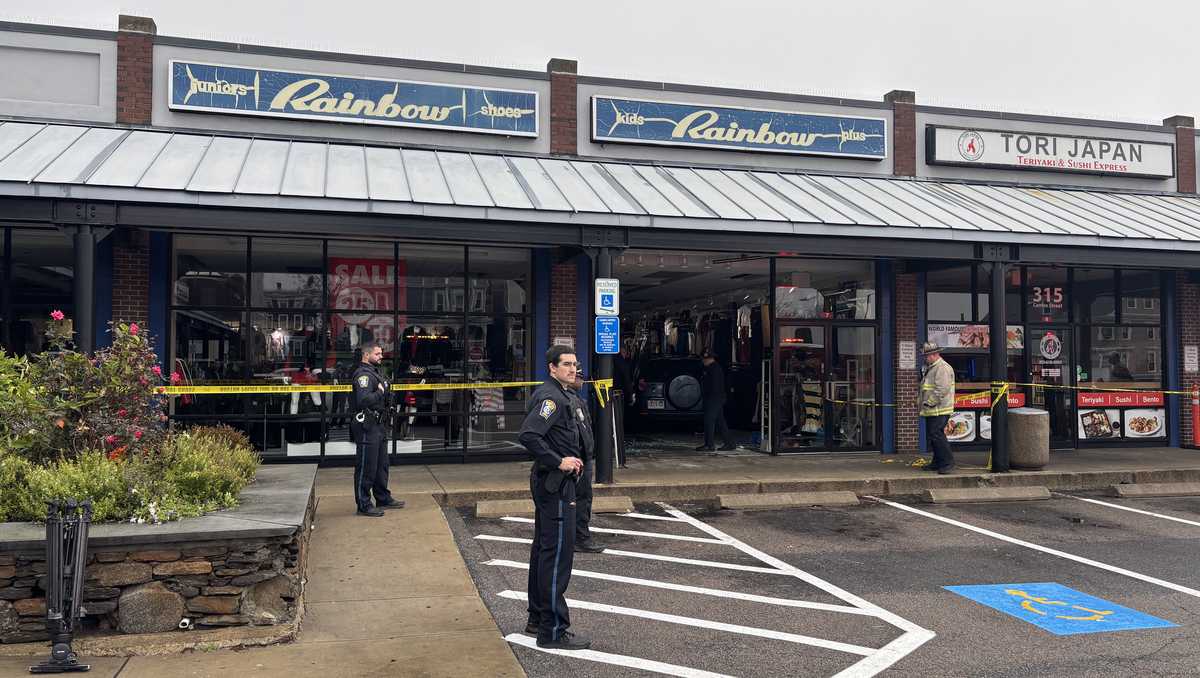
Driver With Suspended License Crashes SUV Into Boston Rainbow Shops Friday
A driver crashed a Toyota RAV4 into a Rainbow Shops clothing store in Boston's Jamaica Plain neighborhood around...

Southern Alaska Landslides Cluster Near Glaciers Stronger Signal Than Permafrost Study
Hundreds of deforming bedrock landslides cluster near glaciers across southern Alaska, a new study reveals. The research, published...
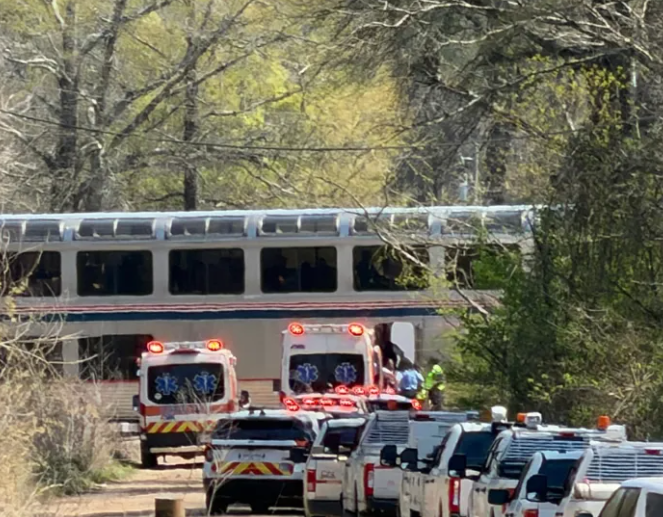
Amtrak Train Collides with 18-Wheeler in Jackson Crash
Amtrak train collides with 18-wheeler in Jackson on March 20. The train carried approximately 240 passengers at the...