
Kansas beef chain output faces severe disruptions as immigration enforcement actions collide with a critical reliance on foreign-born labor across the state’s agricultural sector, Farm Progress reported.
The beef supply chain from ranches to processing plants generates $22.89 billion in annual economic output for Kansas and supports 57,400 jobs, according to the Kansas Livestock Association. In the southwestern Kansas cities of Dodge City, Garden City, and Liberal, known as the Golden Triangle of Meatpacking, four packing plants provide a little more than 12,000 of those jobs, where roughly 60% of employees are foreign-born workers.
“The reality of our food production system across the country is immigrants are critical, whether it’s harvesting fruits and vegetables in California or wherever, or in southwest Kansas getting cows milked, cattle fed, and cattle harvested and processed,” KLA CEO Matt Teagarden told Farm Progress.
Teagarden chairs the American Business Immigration Coalition Agricultural Council, a national bipartisan organization lobbying Congress during the winter lame-duck session for legal pathways and work permits. Proposed federal measures include the Dream and Promise Discharge Petition, the Dream Act of 2025, the Dignity Act, the State-Sponsored Visa Pilot Program Act, and the Securing Agriculture’s Workforce Act.
Following a three-day enforcement effort in late September dubbed Operations Safe Community-Kansas by U.S. Immigration and Customs Enforcement, local communities reported federal activities lasting a week. While the U.S. Department of Justice reported 104 arrests of individuals with prior criminal histories or final removal orders, agricultural leaders noted widespread economic fallout.
“When ICE came to Kansas in September, raids drove workers to hide inside cattle and feedyard bunks usually used during blizzards,” Teagarden said. “These raids sent shockwaves across our agricultural industry and disrupted the supply chain essential to feeding our nation.”
Ty Breeden, outgoing KLA president from Quinter, Kansas, said cattle delivered to processing plants had to return to feedyards because facilities lacked enough staff to harvest them.
“We need to be able to allow people to enter this country, legally work, earn money and pay taxes, and if they choose to move to get their citizenship, have a process they can do in an affordable and timely manner,” Breeden said.
“The people that I work with in the Senate, many Republicans included, feel that we’re long overdue putting together a sensible immigration policy,” Durbin said on the call. “We can have a safe and secure country. We can have a border policy that makes sense as well. And we can treat people humanely.”
“Look at it this way: We can import our workers or import more of our food,” Teagarden said.
Worth a look
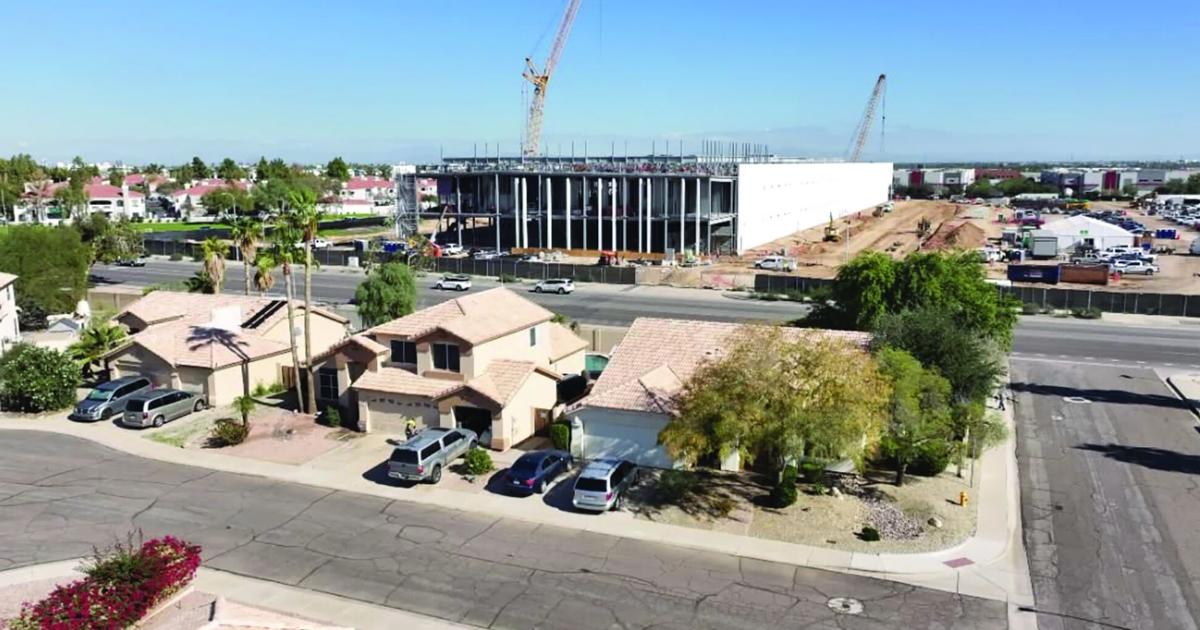
Ahwatukee Residents File $11M Claim Against Phoenix Over Data Center Zoning, Nuisance Allegations
Ahwatukee residents filed an $11 million notice of claim against the City of Phoenix on Nov. 20, alleging...

Utah QB Devon Dampier Eligible for Fifth Year, Will Join Senior Night
Utah quarterback Devon Dampier will participate in senior-night festivities Friday against West Virginia while retaining a fifth year...
Flint RiverQuarium Prepares Assessment as Aging Equipment Threatens 500 Animals
Moonshine the albino alligator and more than 500 other animals depend on a fragile network of aging equipment...
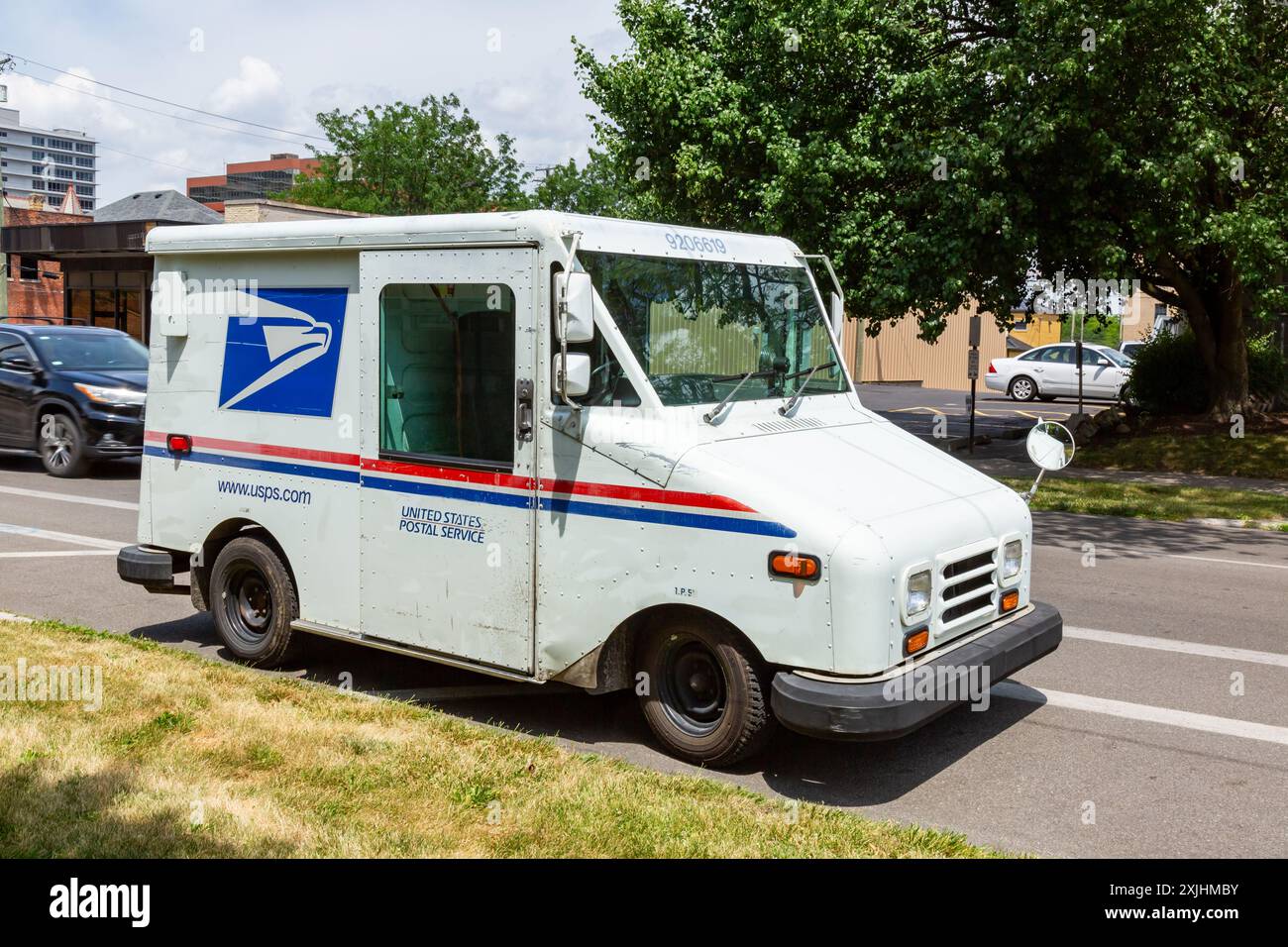
Two Men Plead Guilty in NJ Mail Theft, Bank Fraud Scheme
Two men pleaded guilty in federal court this week to conspiring to steal mail from Postal Service collection...