Three documentaries — Alex Gibney’s four-hour Musk, the Guardian-produced NAZA, and Nathan Fielder and Lance Oppenheim’s You Can See Everything — anchor the 39th International Documentary Film Festival Amsterdam, which opened this week.
IDFA artistic director Isabel Arrate Fernandez acknowledges the buzz but warns against overstating a genre-wide revival. “It’s the buzz around a few titles that is generating this wider idea about [the success of] documentaries,” she said. “Everyone is saying the same thing, but does that mean it is real? It’s difficult to say.”
You Can See Everything has passed $100 million at the global box office, a rare threshold for non-fiction cinema.
Fionnuala Jamison, managing director of NAZA‘s sales agent mk2, called it “the first year you’ve seen documentaries outside the music sphere that have broken through” and said it “absolutely gives us hope that things might be changing”.

By contrast, Gibney’s Musk earned $646,288 domestically during a limited theatrical run that began October 9 before moving to VOD on November 6, according to industry reporting.
The festival’s 250-plus titles span forced displacement in the West Bank, the war in Gaza, a guerrilla army in Myanmar, and the legacy of the Vietnamese boat people.
Gabriel Tejedor’s The Big Boom! profiles Kazanlak, a Bulgarian town sustained by a munitions plant that tests explosives locally and now ships ordnance to Ukraine. “Thanks to this war we live really well,” residents explain.
Louis HotHotHot’s The Year of the Ghost traces his father’s death from COVID in China and the fallout for his mother and sister. Weicheng Hua’s Waves of Time follows a dragon-dressed cruise ship down the Yangtze to the Three Gorges dam, where a lone hermit boils cabbages each evening amid ruined villages.
Arrate Fernandez rejects the idea that documentaries are merely depressing. “Yes, sometimes documentaries can take you to places of suffering and pain.” “But that’s all around us,” Fernandez said.
One filmmaker, reflecting on whether cinema can change the world, said: “I don’t think that a film can really do that. But I think films can definitely be part of a network, of a larger kind of energy that exists in the world and that is pushing for humanity and empathy and change.”
“At IDFA we have films from all over the world.” If you fix on a few specific films — I’m thinking mainly of You Can See Everything and Musk, not so much NAZA — then there is a danger of leaving out other parts of the world.
Worth a look

Luxon Calls Putin a ‘Killer’ and Criticises Trump’s Remarks
New Zealand Prime Minister Christopher Luxon called Russian President Vladimir Putin "a killer" and sharply criticised US President...

ICC Upholds Jurisdiction Over Njeem, Defers Admissibility Ruling in Libya Case
Pre-Trial Chamber I of the International Criminal Court unanimously upheld its jurisdiction over Osama Almasri Njeem on November...
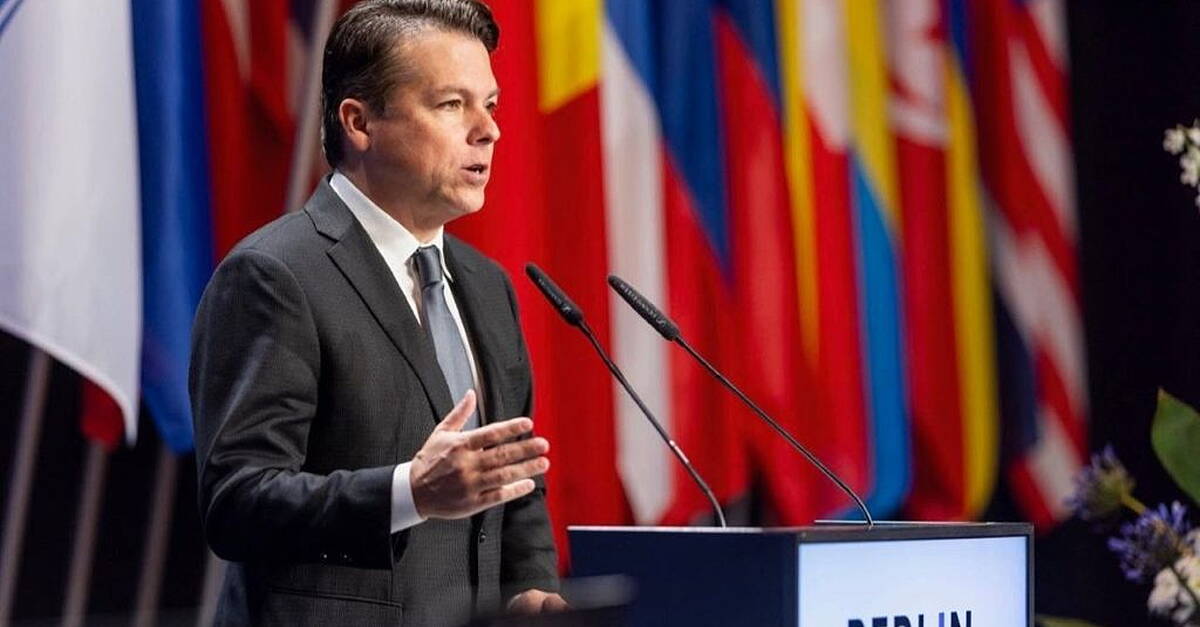
US Rep. Brendan Boyle Elected President of NATO Parliamentary Assembly
U.S. Rep. Brendan Boyle was elected president of the NATO Parliamentary Assembly on Monday in Berlin, a role...
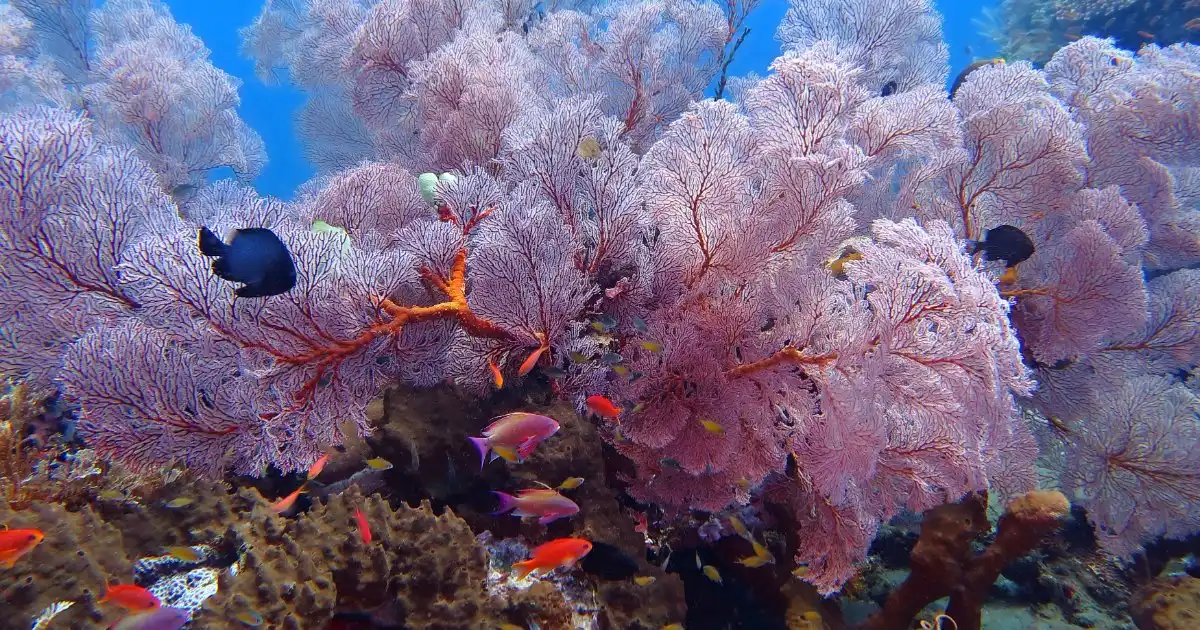
“We are racing against time to protect coral reefs from climate change
"We are racing against time to protect coral reefs from climate change, pollution and other pressures. Yet they...