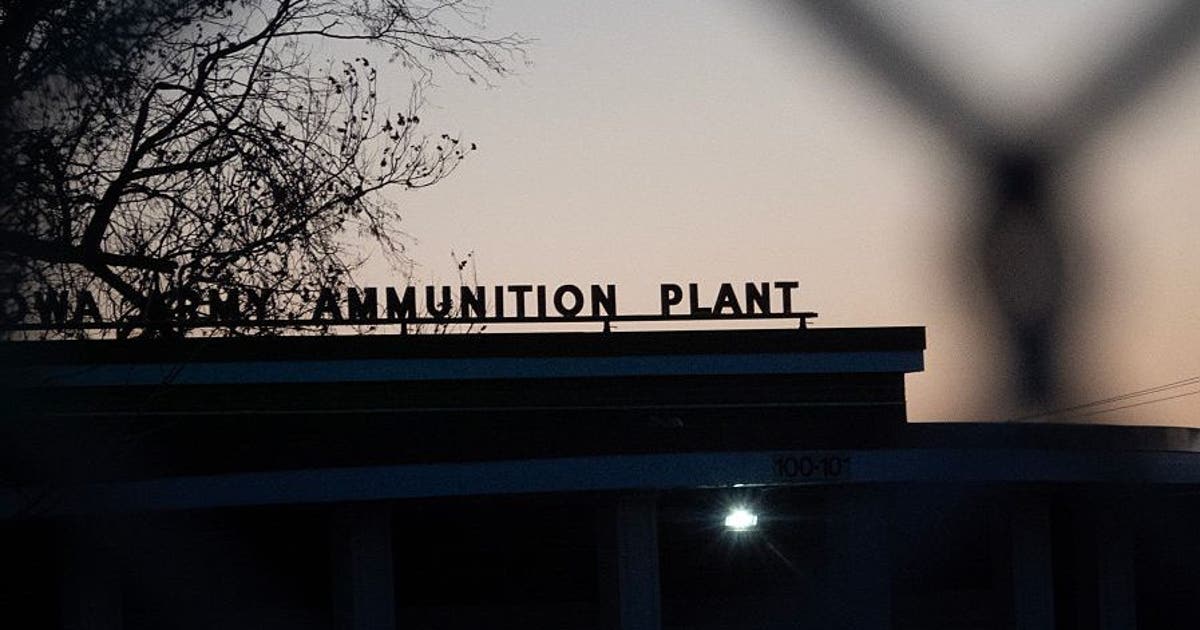
The U.S. Army plans to detonate roughly five tons of degraded lead azide at the Iowa Army Ammunition Plant in Middletown on Wednesday, November 25, the day before Thanksgiving.
The controlled explosion was rescheduled from Friday to Monday, then to Wednesday, after a federal appeals court paused the permit. The Army invoked emergency provisions to proceed, citing the growing risk of an uncontrolled chain-reaction explosion as temperatures drop below freezing. The detonation of 68 barrels was initially planned for last Friday.
Governor JB Pritzker said Monday night he has placed state agencies on alert and demanded transparency from federal officials. “Illinoisans can now head to the below link for updates and safety guidance. I will keep pressing officials to be fully transparent,” Pritzker wrote on social media, linking to a state tracking website.
He also criticized President Donald Trump for focusing on Nvidia while local states face a potential environmental disaster. President Trump at 12 p.m.
Tonight I spoke with representatives from the U. S. Army, EPA, FEMA, and CDC regarding the planned detonation in Iowa. State agencies are on alert, and I am continuing to press for the release of more public information to help keep Illinoisans safe. I expect updates tomorrow.
Senator Dick Durbin called on the Trump administration Tuesday to assign a public health emergency team to Middletown. He urged monitoring of wind drift to identify mitigation zones.
Senator Tammy Duckworth described the planning as “an extreme failure of communication, planning and leadership” in a Sunday post on X.
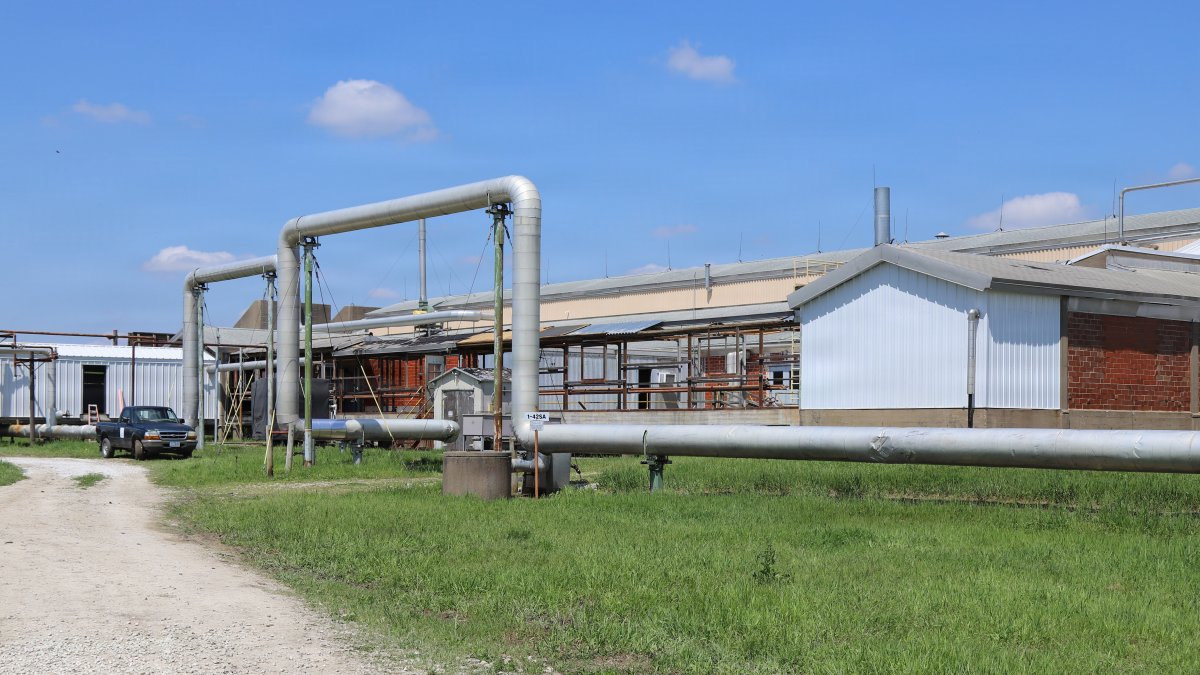
Acting Secretary of the Army Adam Telle said at a Wednesday morning briefing that experts across federal agencies agree a controlled detonation is far preferable to a spontaneous one. “We don’t believe that the public should be in a panic,” Telle said.
Mitigation measures include a water wall, aqueous film barriers from the Department of Energy, and gel blocks to absorb the blast and particulates. The Army saturated the ground before the blasts to limit lead dust dispersal. NOAA models cited by Illinois officials show light east-northeast winds Wednesday morning, directing the plume south/southwest toward Missouri and away from Illinois.
The Illinois EPA said it has not received updated modeling or air monitoring specifics from the Army and continues to rely on NOAA data. Army but has not received it, officials said. They will continue to rely on available data from NOAA.
Now the Army claims the lead azide detonation will take place on Wednesday. I am continuing to make calls, demand answers and encourage everyone in the area to follow local guidance, stay indoors and remain safe. For the most updated advisories ➡️ https://t.co/WlWq53R77d For… https://t.co/t9oVFP00OS
The Illinois Department of Public Health advised residents potentially affected to stay indoors with windows closed for 24 to 48 hours, wash hands before eating, and clean outdoor surfaces with soap and water. A bipartisan group of Illinois lawmakers, including Durbin, Duckworth, Senator-elect Juliana Stratton, and Republican Representatives Darin LaHood and Mary Miller, signed a letter urging delay until safer alternatives are explored. The U.S.
Illinois officials warn planned Army explosion in Iowa could send lead dust across state line dlvr.it/TWPCsW
Related reading
LA County Supervisors Declare Emergency Over Landfill Geyser
The declaration marshals additional county resources to address a smoldering subsurface chemical reaction that has burned beneath the...

Fast-Moving Snow Band Drops up to 2 Inches in SW Minnesota Tuesday Night; Clouds Obscure Beaver Moon
A fast-moving snow band will drop up to two inches across four southwestern Minnesota counties Tuesday night before...

Charleston Housing Contracts Rebound to 215 in Mid-November; 2026 Total Matches 2024
Charleston's autumn contract pace rebounded to 215 homes in mid-November after dipping below 190 weeks earlier. The 215...

Connecticut Explores Direct Purchase of Sikorsky Memorial Airport From Bridgeport
Gov. Ned Lamont's administration is exploring a direct purchase of Sikorsky Memorial Airport from Bridgeport, Mayor Joe Ganim's...