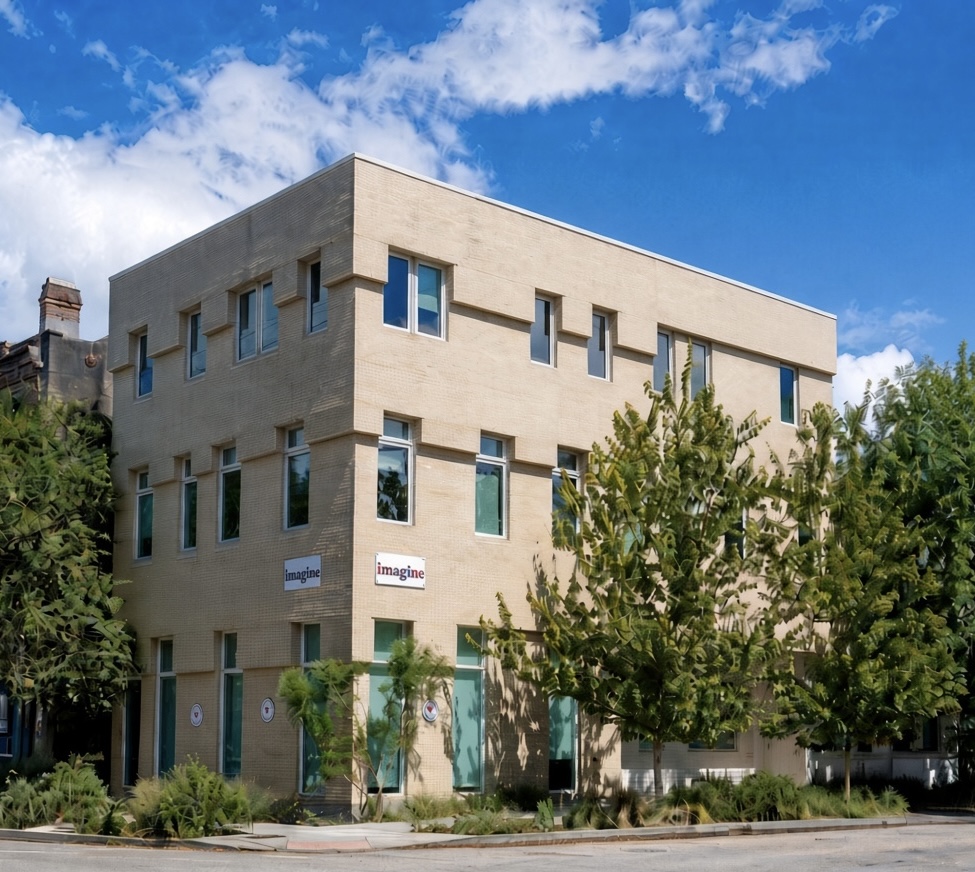
Imagine Recovery sits on Nashville Avenue in the Lower Garden District, a quiet stretch of New Orleans where the streetcars still rattle past shotgun houses and oak trees.
The center opened its doors to adults 18 and older with a straightforward premise: meet people wherever they sit on the spectrum of substance use, before addiction hardens into crisis if possible, and treat the co-occurring mental health conditions that so often drive it.
Recovery.com detailed the model in a recent profile, noting the blend of partial hospitalization, intensive outpatient, and standard outpatient tracks designed to flex around jobs, school, and family.
TreatmentLane, a directory that aggregates public records and provider-reported data, lists the same levels of care and adds withdrawal management and hospital-based care to the menu, with a typical program length of 30 to 60 days and an estimated cash price between $15,000 and $30,000. Both outlets confirm the facility holds Joint Commission accreditation and a state health department license, though TreatmentLane notes it has not independently verified those credentials.
“Groups stay small, and Griff, the resident Emotional Support Specialist and office dog, greets clients most days.”
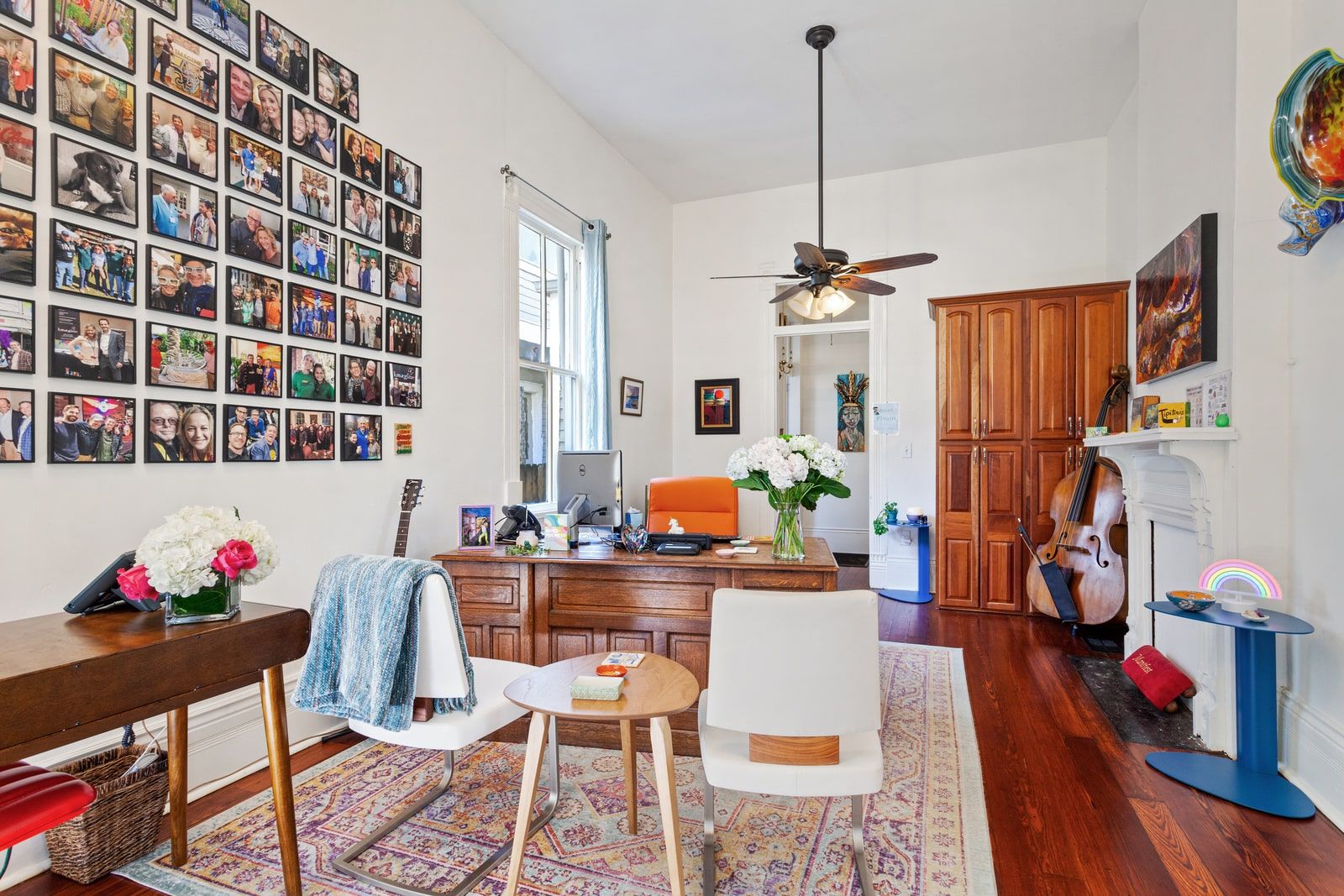
The Recovery.com profile describes an office deliberately designed to feel safe and welcoming rather than clinical.
Clinical Architecture Built on DBT
The therapeutic backbone is dialectical behavior therapy. Master’s-level clinicians — some in recovery themselves — lead every session, teaching skills for emotion regulation, distress tolerance, and interpersonal effectiveness. Recovery.com reports that mind-body practices run through each group alongside narrative therapy and creative work with clay and collage. Weekly individual therapy and psychiatry anchor the program: 90-minute initial evaluations followed by 30-minute medication-management follow-ups.
TreatmentLane’s clinical summary aligns, listing cognitive behavioral therapy, group therapy, narrative therapy, and DBT among the methods, with medication-assisted treatment including buprenorphine and naltrexone noted as specialties.
Step-Down Support That Extends Past Discharge
Care does not end at the PHP door. The program steps clients down from partial hospitalization to intensive outpatient, then into a 12-week outpatient phase and aftercare — more than six months of structured support, according to Recovery.com.
Peer recovery meetings live on-site: Alcoholics Anonymous, SMART Recovery, and Recovery Dharma gather weekly, including a women-only AA group on Thursdays. A biweekly Zoom family support group opens the virtual door every Wednesday at 5:30 p.m. for clients, alumni, and their loved ones.
For those who need housing, Imagine House runs separate sober-living residences for men and women, each staffed with house managers, weekly family dinners, and routine alcohol and drug monitoring.
New Orleans, founded in 1718 by French colonists along the Mississippi River, was the third most populous U.S. city in 1840 and the largest in the American South until after World War II. Hurricane Katrina in 2005 flooded more than 80% of the city, killed more than 1,300 people, and caused a population decline of over 50%, leaving the 2020 census count at 383,997.
What the Numbers Show — And What They Don’t
| Metric | Recovery.com | TreatmentLane |
|---|---|---|
| Levels of Care | PHP, IOP, Outpatient | Detox, PHP, IOP, Outpatient, Hospital-based |
| Typical Duration | Not specified | 30–60 days |
| Estimated Cash Price | Not specified | $15,000–$30,000 |
| Public Rating | Not specified | 5.0 stars (31 reviews) |
| Accreditation | Joint Commission (per profile) | Joint Commission (reported to SAMHSA) |
The directories agree on the big picture but diverge on the details that matter to a family writing a check. TreatmentLane is the only source listing detox and hospital-based care; Recovery.com does not mention them.
TreatmentLane is also the only source publishing a price band and a review score. Neither outlet has independently audited the license or accreditation status — TreatmentLane explicitly flags that its data comes from provider reports to SAMHSA and urges verification through the Joint Commission’s Quality Check or FindTreatment.gov.
Related reading

DNR Opens Pinecroft Natural Area Preserve Trail in Spokane Valley
"It seemed like the harder we locked down the area, the worse it got," said Connor Nikkola, Northeast...

Hawks Beat Hornets 111-97 Behind Jalen Johnson’s 26 Points, Bench Production
Atlanta rallied from an early double-digit hole to beat Charlotte 111-97 on Thursday night at State Farm Arena,...

Washington State Outrebounds Hawaii 38-30, Wins 79-63
Hawaii arrived in Everett known for crashing the glass; Washington State left Angel of the Winds Arena having...

SEBA Awards Celebrate Resilience; Oriental Kopi’s Calvin Chan Wins Entrepreneur of the Year
Kuala Lumpur’s KLGCC Convention Centre hosted the 12th SEBA Asean Elites Edition 2025/2026 on Tuesday, honoring 38 recipients...