
American lives are increasingly disconnected from the natural seasons, National Gallery of Art reported.
Indoor heating, climate-controlled environments, and a reliance on door-to-door car transportation have mitigated the direct experience of seasonal change. This physical separation is compounded by a globalized food system that delivers produce regardless of local growing cycles.
The National Gallery of Art suggests that as these natural cycles begin to unravel, the role of art must evolve from mere nostalgia to a tool for active witnessing. While 19th-century painters often looked back at idealized versions of the past, their work now offers a different utility: a guide to noticing the specific patterns of the landscapes we inhabit today.
The works of Metcalf, Hassam, Twachtman, and Weir originally captured a specific era of American Impressionism. These artists focused on the light and atmosphere of the Connecticut countryside, often through a lens of romanticized stability.
However, the context of viewing these paintings has shifted. In a period defined by environmental uncertainty, the focus moves from the beauty of the scene to the observation of the rhythm itself. The paintings invite viewers to pay attention to how the patterns of the land are changing in real time.
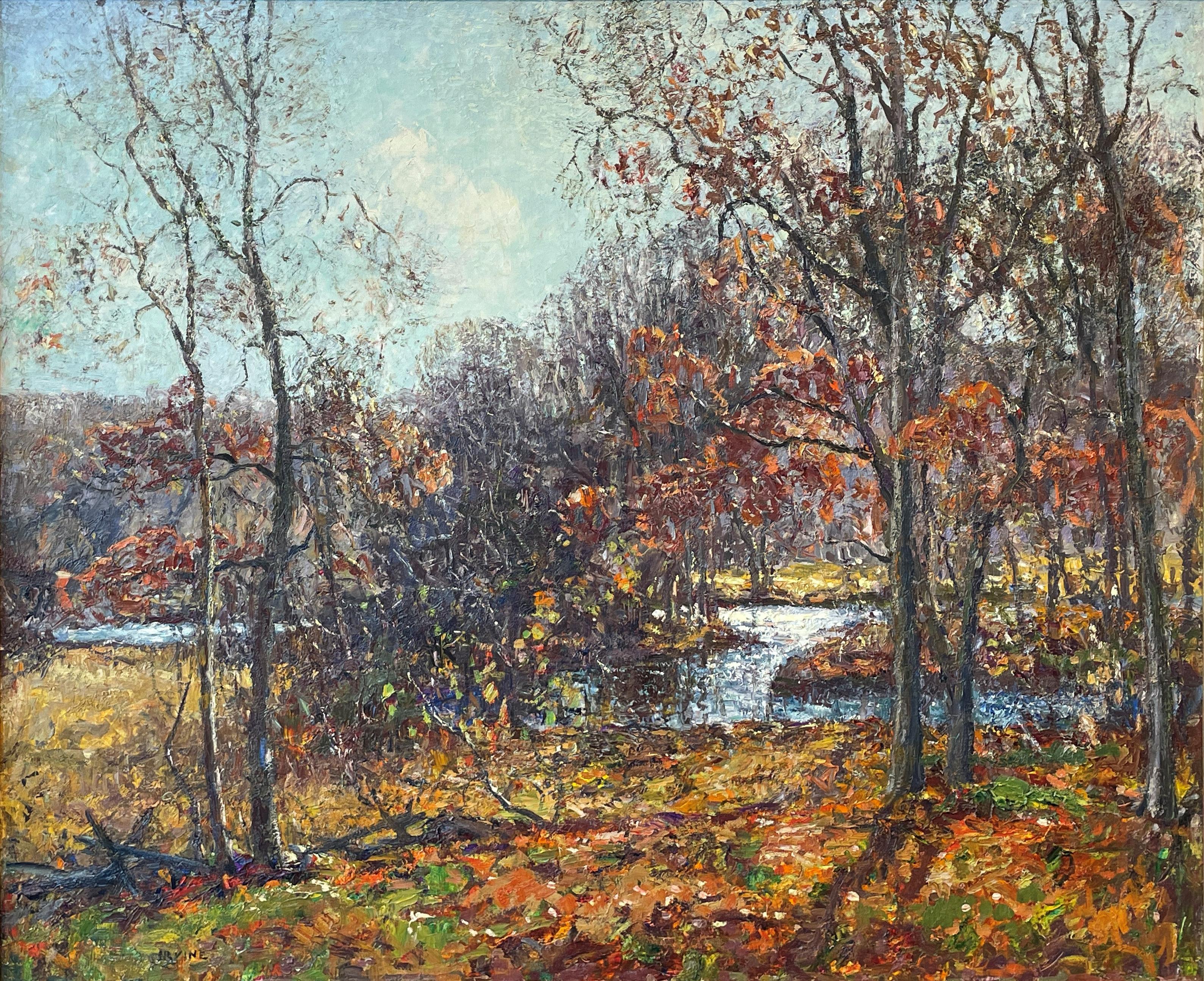
This shift in perspective addresses a growing estrangement from the natural world. As the distinction between summer, autumn, winter, and spring becomes less pronounced in daily life, the art serves as a prompt to reconnect with the specificities of place.
The implications of this disconnection extend beyond simple aesthetics. The loss of seasonal awareness reflects a broader movement toward a life mediated by technology and infrastructure, distancing the individual from the biological and environmental realities of their immediate surroundings.
Rather than using these historical works as a way to turn away from the present, the National Gallery of Art suggests they can be used to witness it. The goal is to use the structured, seasonal observations of the Impressionists to better recognize the shifts occurring in the modern landscape.
Related reading
Christine Bond Provides Evidence-Based Therapy Across New Hampshire
Christine Bond, a Licensed Clinical Social Worker, provides mental health services to residents across New Hampshire through LifeStance...
Kobe Henderson Manages Clinical Skills Labs and Simulations
His work involves the technical management of clinical skills labs, where he ensures that medical equipment is organized...
Word Finder: QB Montana Clue in NYT Midi Puzzle on November 13
Crossword enthusiasts facing the New York Times Midi puzzle on November 13 may find the "QB Montana" clue...

UMD Bulldogs Head to Hillyard Classic Against Emporia State and Missouri Western
The University of Minnesota Duluth men's basketball team secured an 80-75 victory over Concordia University, St. Paul to...