
In a column for the CT Mirror on Nov. 23, 2026, Marcelo Assis argues that Connecticut must confront the costs and deferred investments left behind by previous regulatory decisions at the Public Utilities Regulatory Authority.
Crews on Southern Connecticut Gas’s natural gas system maintain pipes, respond to problems and perform work to keep energy flowing safely and reliably to homes and businesses across the state.
According to the column, previous leadership at PURA sought to limit pressure on customer bills by restricting or deferring costs and system investments. Assis writes that while this approach offered near-term relief, it failed to alter the physical needs of the gas system. Infrastructure continued to age while maintenance and replacement work remained necessary for employees operating the system.
Deferring that work allowed projects to accumulate, complicating future planning and raising the risk that routine needs would grow into larger, more complex challenges. Assis states that current PURA commissioners inherited these challenges and should not be asked to defend past choices, but they now have a chance to learn from the experience and create a predictable approach to long-term system investments.
Maintaining a gas system safely requires looking ahead, anticipating capacity needs and building a skilled workforce. A lack of predictable forward capital investment makes planning harder, delays or reprioritizes projects, and creates uncertainty around hiring and training the next generation of workers. Because specialized utility work requires a steady pipeline, members would rather address infrastructure needs at a steady, responsible pace than continually push work forward.
Reliable energy infrastructure also supports community growth, including new housing, local businesses and employers. Limited gas capacity can constrain connections for new customers or hinder business expansion, making advance planning essential to prevent infrastructure from becoming an obstacle. Assis concludes that regulators should scrutinize spending and demand accountability, but that scrutiny and predictability can coexist.
Worth a look
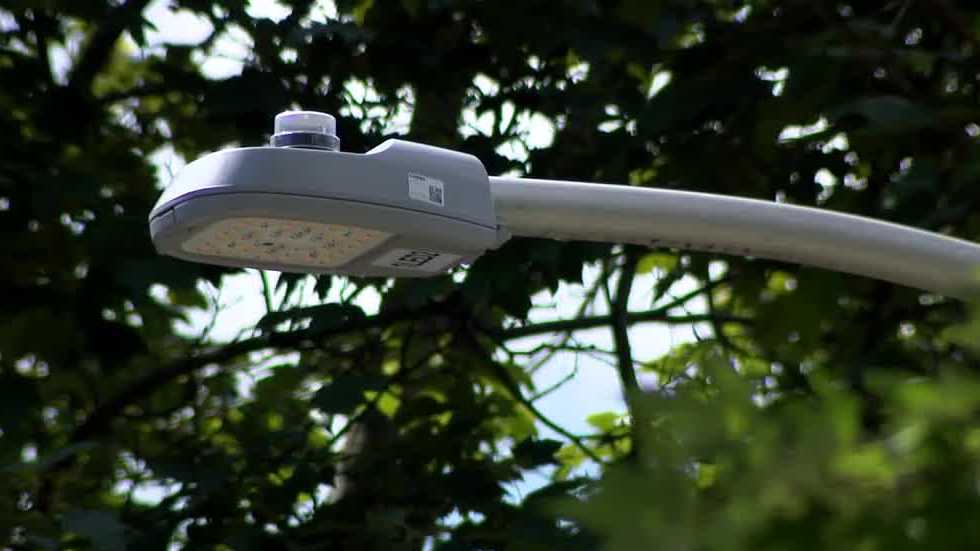
Lincoln Village Streetlight Outage Leaves Residents in Dark for Weeks, Raising Safety Fears
Residents in Milwaukee's Lincoln Village neighborhood face a weeks-long streetlight outage near 10th and Rogers, leaving streets in...

Winterfest Hartford Returns for 16th Season with Free Ice Skating, Holiday Trolley
Winterfest Hartford returns to Bushnell Park for its 16th season starting Friday, bringing free ice skating, skate rentals,...

Arizona Projected for Las Vegas Bowl vs. Missouri After OT Win at Kansas State
Climbing to No. 16 in the AP Poll after an 8-3 start, the Arizona Wildcats head toward a...

South Carolina Opens as 3.5-Point Road Favorite Over Clemson
South Carolina football hits the road as a 3.5-point favorite for the upcoming rivalry clash against Clemson, according...