
Indian nuclear technology startup SUK-M has raised its first institutional pre-seed funding round led by Speciale Invest and Navam Capital, with participation from BYT Capital and two angel investors, ET Entrepreneur reported.
The Chennai-based deep-tech venture capital firm Speciale Invest led the round alongside Navam Capital, according to Business Standard. The company did not disclose the funding amount, CIOL reported. SUK-M will use the capital to establish an experimental facility, recruit scientists and engineers, and advance its thorium-based micro modular reactor from computer simulations to laboratory testing.
Each unit is designed to generate 10 megawatts of electricity or 30 megawatts of heat and be transportable by road or rail. The reactor is based on Generation IV Molten Salt Reactor technology and uses a proposed uranium-thorium fuel system that aims to integrate elements of India’s three-stage nuclear programme into a single design.
The company is targeting industrial applications including steel plants, data centres and hydrogen production facilities that require reliable power and high-temperature heat.
“Dr Bhabha set out a long-term vision for thorium in India. Founded in April 2021, the startup describes its mission as “Indian Nuclear Programme 2.0” — an effort to develop indigenous reactor technology and domestic supply chains. India holds roughly a quarter of the world’s known thorium deposits, making thorium-based reactors a practical route to energy security at scale, said Vishesh Rajaram, founding partner at Speciale Invest.”
Speciale Invest has spent 9+ years deploying over $140 million across 45+ deep-tech companies, with a thesis centered on Novel Energy & Planetary Health that explicitly includes nuclear fusion among its “ideas of tomorrow” bets. The firm enters at pre-seed and seed stages with a typical ~$1M initial check and reserves half its fund for follow-on capital, positioning it to lead early rounds for capital-intensive hardware ventures.
He said that different facilities have specific electricity and process-heat requirements, making industrial validation an important part of identifying viable applications, CIOL reported.

$10K Anonymous Gift Launches Fargo-Moorhead Salvation Army Red Kettle Campaign
An anonymous donor contributed $10,000 to the Salvation Army of Fargo-Moorhead Red Kettle Campaign as it launched on...

Huntsville Woman Found Dead; Suspect Dies After Tennessee Chase
Huntsville police found 22-year-old Sevyn Jones dead Sunday after a 911 caller reported he had shot his girlfriend,...
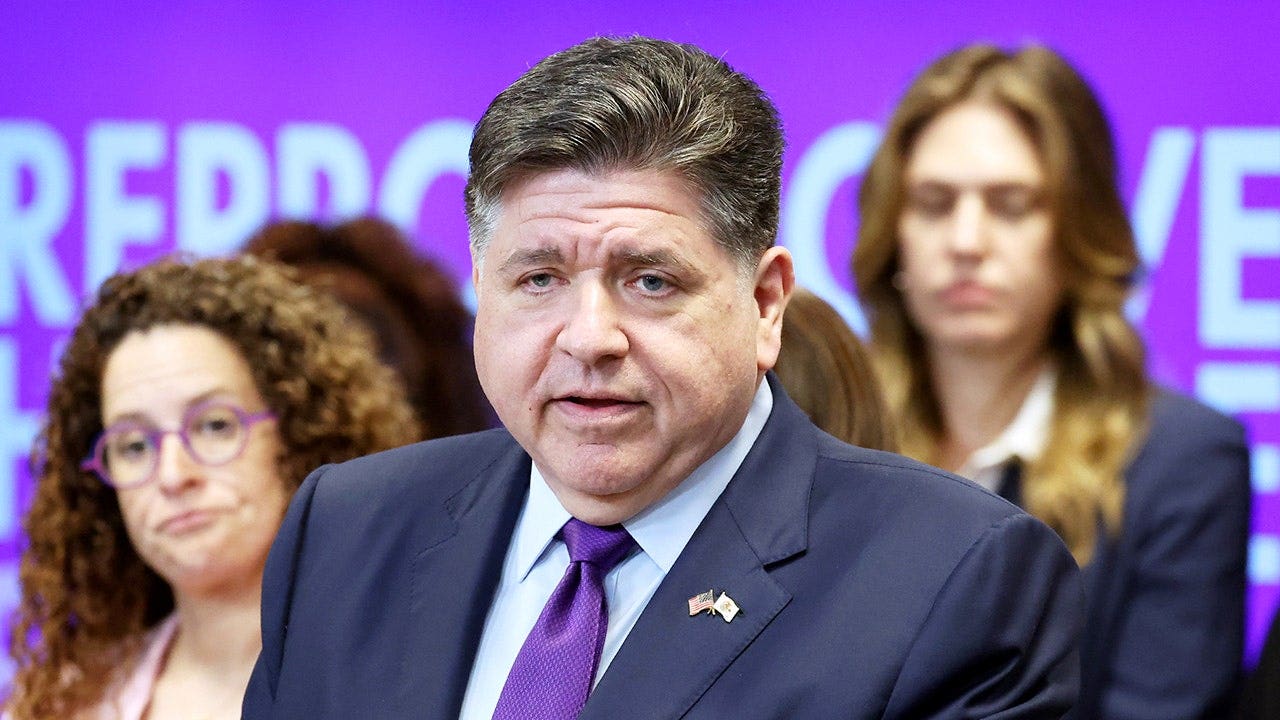
ACE Scholarships Criticizes Pritzker for Opting Illinois Out of Federal Education Tax Credit
ACE Scholarships criticized Illinois Gov. JB Pritzker on Monday for opting the state out of the federal Education...

Ilikai Oceanfront Corner Unit Reviews Split on Views Versus Condition
Travelers booking a 1,240‑square‑foot oceanfront corner unit at the Ilikai in Honolulu face sharply divided recent reviews, with...