Indiana counties are blocking utility-scale solar projects through local zoning votes, leaving farmers without lease income and keeping hundreds of megawatts off the grid, IndyStar reported. The state does not track how many projects have been stopped, and legislation to move siting authority to the state has failed twice since 2021.
When Jim McCune died on Aug. 6, 2014, he left nearly 800 acres in Marshall County to his daughters, Darla Harrington and Rhonda McCay. They leased the land to a neighbor but could not farm it themselves. In 2019, Geenex, a utility-scale solar developer, offered a multi-decade lease on several hundred acres that the sisters hoped would secure the farm for their children, IndyStar reported.
Marshall County votes two-year ban
After Geenex and a second developer entered the county zoning process in 2024, opposition escalated. Meetings moved to auditoriums and the Plymouth Wesleyan Church to accommodate crowds. In 2025, Marshall County commissioners voted to ban solar projects for two years, ending the McCune sisters’ deal.
“The things they said about my sister and I, how we’re just wanting money and our dad is rolling over in his grave. It’s very hurtful,” Harrington told IndyStar.
Threats and intimidation spread statewide
Similar conflicts have erupted across Indiana. In Noble County, Commissioner Anita Hess voted against a moratorium last year to avoid creating “an arena for more of these types of threats” after threats of violence appeared at meetings.
In Clark County, Board of Zoning Appeals member Bob Ellison resigned one month after taking office, citing personal attacks on his family. Harrington said one person threatened her physical safety after a county meeting.
Landowners caught in the crossfire
Kerri Vaughn of Clark County initially opposed solar. After researching, she and her husband agreed to lease land to Orion’s Idlewild Project, which would have paid nearly $80,000 annually toward medical debt.
A 2025 county ordinance added a setback that disqualified nearly half her farm from the lease. “If this was turned down for a legitimate reason, okay. That’s totally fine. But I have yet to hear anything legitimate,” Vaughn told IndyStar.

Counties hold zoning power but lack resources
Unlike Wisconsin and Michigan, where the state controls large energy project siting, Indiana leaves zoning to county officials. “We’re in a time of growing energy demand, and we needed megawatts on the grid yesterday,” said Topher Anderson, director of programs and operations at the Indiana Conservative Alliance for Energy. The Marshall County projects would have added 350 megawatts; Orion’s Idlewild Project was designed for nearly 500 megawatts.
State officials want more generation, not mandates
“Moratoriums on solar or any other energy source undermine reliability, create unnecessary barriers to investment, limit future supply, and can ultimately increase costs for consumers,” Energy Secretary Suzanne Jaworowski wrote in a statement to IndyStar. She declined to support moving siting authority to the state: “The state respects local decision-making and does not impose a one-size-fits-all mandate.” Legislation to consolidate state siting authority failed in both 2021 and 2025.
Experts call for state-funded guidance, not state control
Anderson and Brian Flory, a program director with Solar United Neighbors, said counties need a state-compiled database of research and clear rules rather than a transfer of authority.
“Local control definitely needs to be a part of the solution. I think that is also a place where the state needs to step in and provide more clarity for counties and developers and for local groups, chambers of commerce, just for everybody to have a clear sense of the rules of the road,” Flory told IndyStar. “Currently we don’t have that.”
Worth a look

Wisconsin Jumps to No. 1 in USCHO Rankings After Michigan Series Loss
Wisconsin seized the No. 1 spot in the USCHO.com poll on Monday after Michigan dropped its first home...
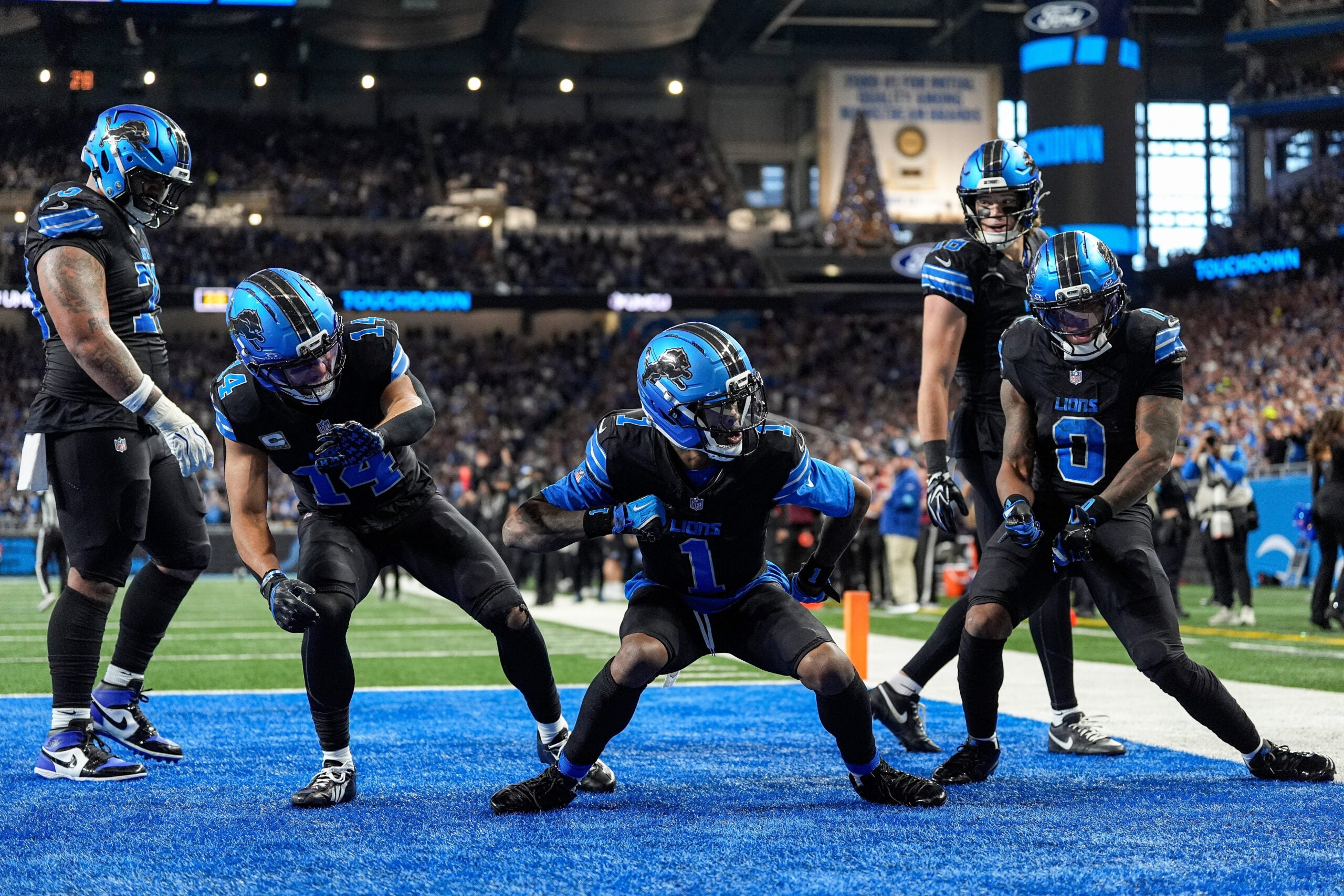
Lions at 91% Playoff Odds; Thanksgiving Win vs. Bears Would Push to 98% and Lift NFC North Title Chance to 60%
The Detroit Lions moved to 91 percent odds to reach the playoffs after beating the Tampa Bay Buccaneers...

Diamondbacks Acquire Johan Oviedo From Red Sox for Luke Dotson, PTBNL or Cash
On Nov. 20 the Diamondbacks acquired Johan Oviedo from the Red Sox for left-hander Luke Dotson and a...
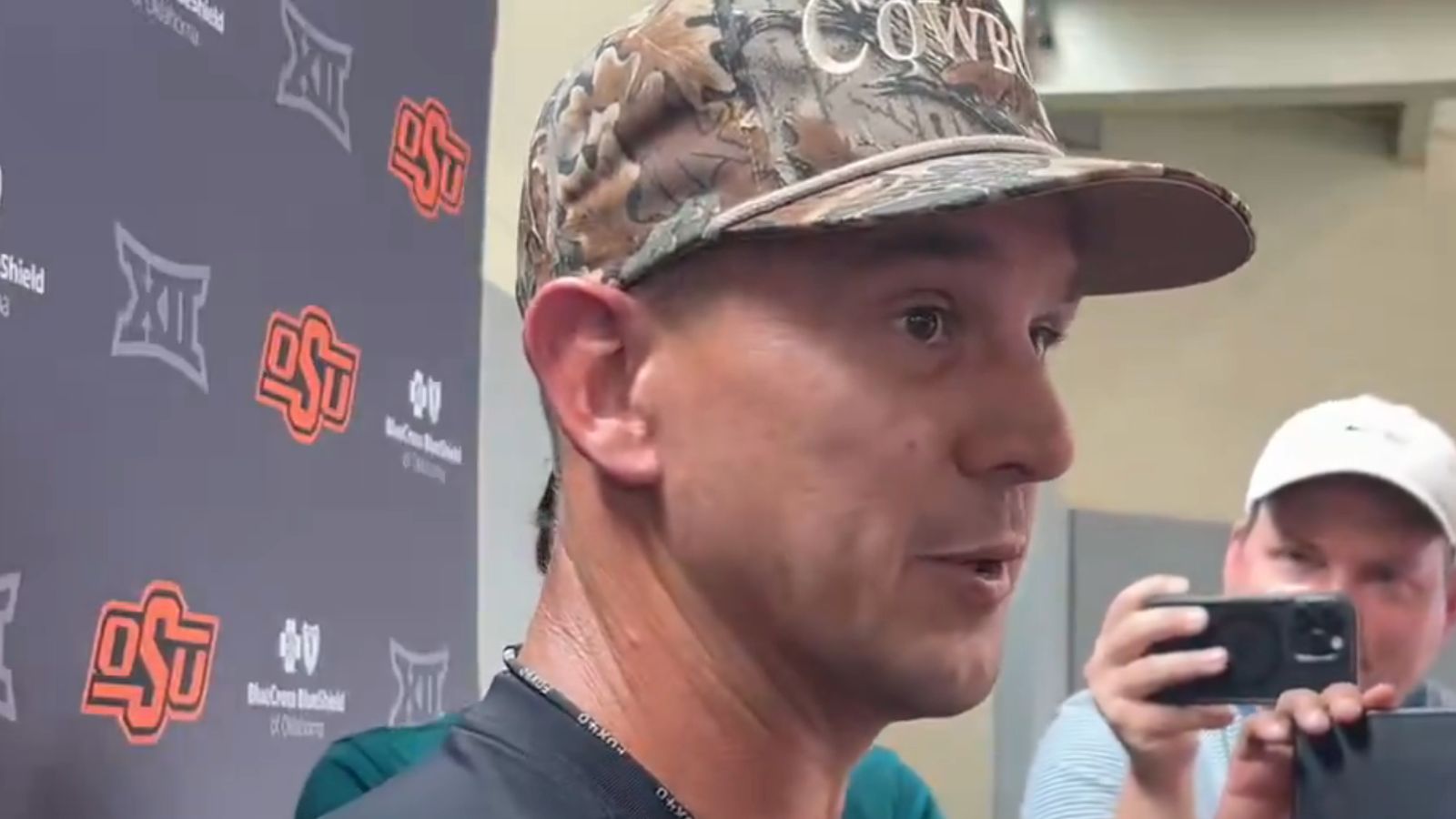
Eric Morris Halts Halftime Adjustments as Oklahoma State Beats Arizona State
Oklahoma State erased a 17-point halftime deficit to beat Arizona State 30-27 in overtime Saturday after coach Eric...