
Indianapolis has created a new governing board, the Indianapolis Public Education Corporation, to oversee both the district and charter schools that now serve more than half the city’s students. The state legislature ordered the board to share tax revenue, create a busing system, take control of all school buildings, and set new academic standards to help guide decisions about which schools should close, be overhauled or be replicated around the city.
Karega Rausch, who from 2007 to 2011 led the mayor’s Office of Education Innovation and helped launch many of the city’s charter schools, and who spent the last six years as president and CEO of the National Association of Charter School Authorizers, has returned as executive director of the Indianapolis Public Education Corporation.
IPEC Assumes Powers from Elected Board
IPEC now holds authorities that previously belonged to the Indianapolis Public Schools elected board, a shift critics say empowers wealthy charter backers at the district’s expense. IPS is considering shutting down six schools as part of $20 million budget cuts after a tax voters approved this month directed all new revenue to charters while merely preserving district funding, the74million.org reported.
The district is also seeking to slash subsidies for 30 Innovation Schools — charter schools that receive district-paid busing, building and utility costs in exchange for their test scores counting toward IPS’s overall rating. Those subsidies total between $12 million and $60 million annually, depending on estimates, the74million.org reported.

Rausch Pledges Equal Accountability
Rausch said the board’s “north star” is equitable accountability regardless of governance type.
“We’ve got all kinds of schools that are doing great work, and some that are not. And those schools that are not doing well, it doesn’t matter what kind of a school it is. It needs to dramatically transform, or it needs to stop serving kids so that others who are doing well can do it,” he told the74million.org.
He acknowledged that schools of all types that fail to meet standards should also face closure. “There are schools of all types that need to dramatically transform or stop serving kids,” Rausch said.
Final closure authority remains with the authorizers and the IPS board, but state law allows IPEC to petition the state board if disagreements arise over a school’s performance, the74million.org reported. Rausch said he hopes a collaboratively built performance framework will align all parties before such disputes occur.
On measuring success, Rausch argued for both proficiency and growth. “Increasing proficiency will be important because that’s a marker of how well students are reading, writing and doing math at grade level. My desire and ambition is not just whether students are growing, but are they growing enough that they should get to proficiency within a few years?” he told the74million.org.
He cited Indianapolis’s own former mayor’s office as a potential reference point for the new framework, but stressed the result must be “unique to Indianapolis” and “rigorous,” the74million.org reported.
Rausch Rejects Dismantling Characterization
Rausch rejected the characterization that IPEC exists to dismantle the district. “I didn’t take this job to destroy Indianapolis public schools, and I do not believe that the members of IPEC’s board are here to do that. We are here to try to create systemic coherence in a way that can generate more great outcomes for kids,” he told the74million.org.

Wesley Yates III Scores 15 in Washington OT Win Over USC in Big Ten Tournament
Washington guard Wesley Yates III scored 15 points and recorded two steals as the Huskies defeated USC 83-79...
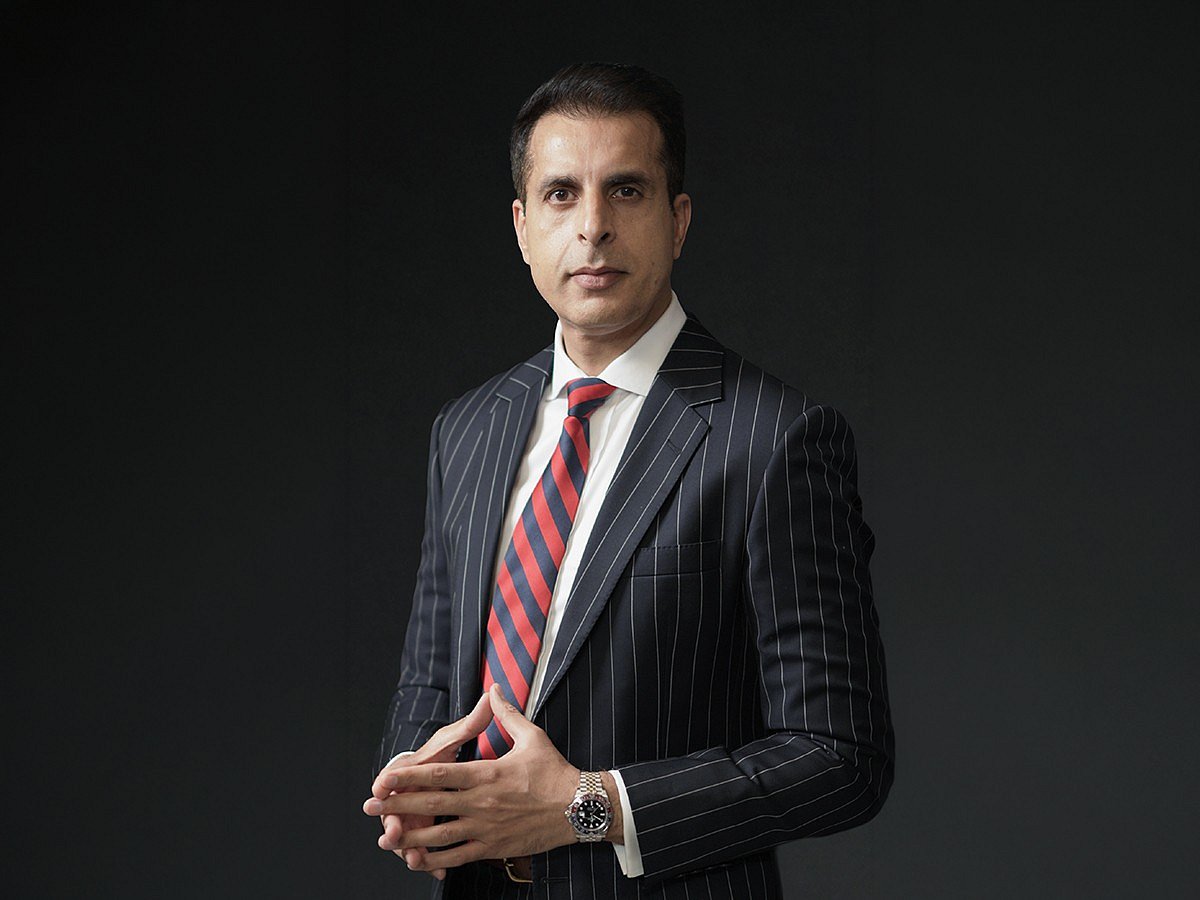
How Muhammad Tariq Turned Dh30,000 into Two Dubai Businesses After Overcoming Public Speaking Struggles
Lawyer-turned-entrepreneur Muhammad Tariq built two Dubai businesses, InZone Group and Legal Inz, from Dh30,000 in starting capital after...
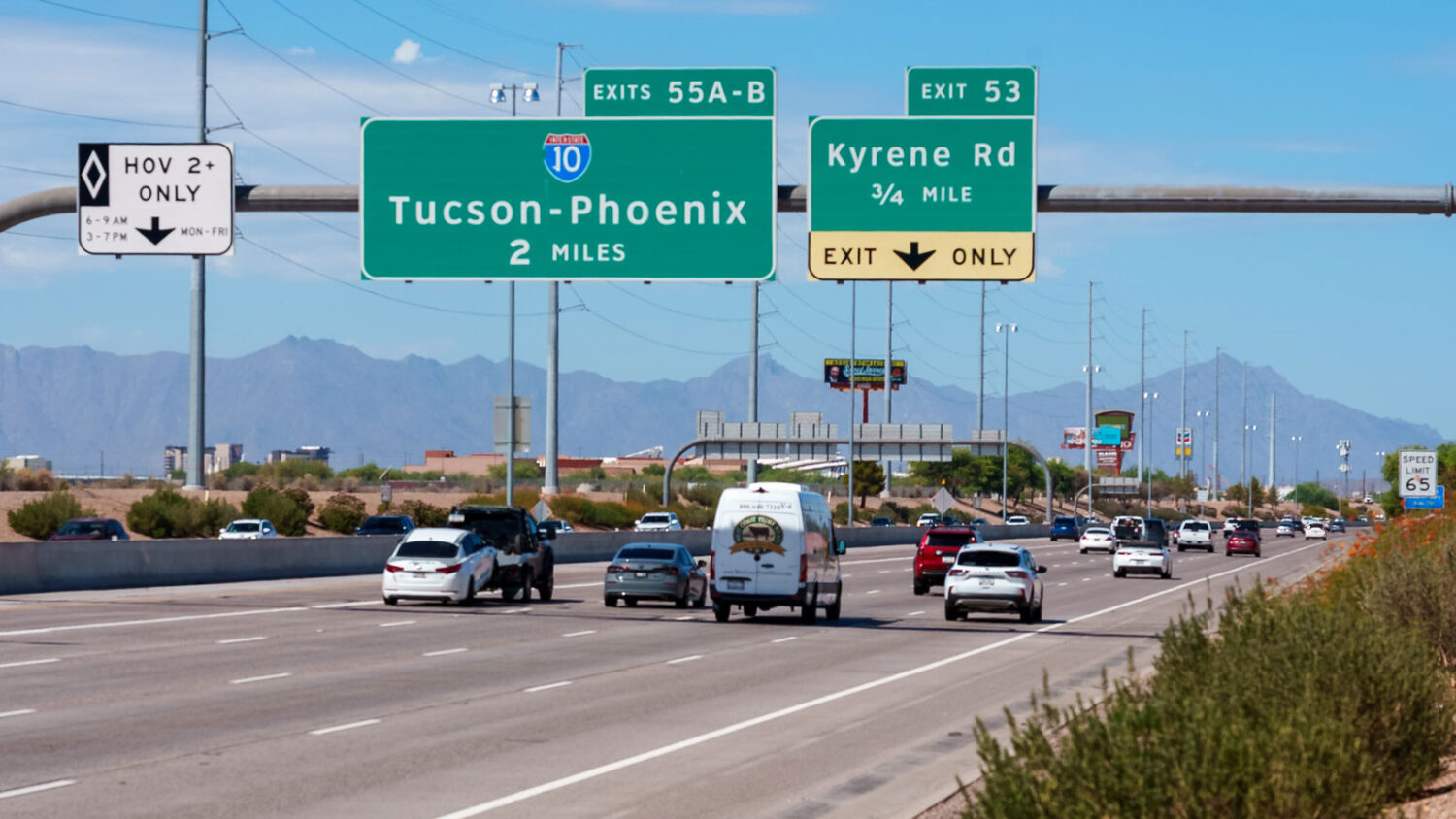
No Scheduled Freeway Closures Statewide for Thanksgiving Weekend, ADOT Says
Arizona drivers will face no scheduled freeway closures across the state from Wednesday afternoon through Sunday night, the...

Western Fire Chiefs Association Launches Live Map Merging Satellites, AI, 911 Data
The Western Fire Chiefs Association has launched a live fire map that merges satellite heat detections, AI verification,...