
“Privacy calls for withholding an address or photos. It does not require that only one company’s clients may buy the home,” said Geoff Lavell of The Brokerage in Las Vegas.
The time-honored practice of allowing real estate agents to keep some listings private — known as pocket or exclusive listings — is facing pushback as industry consolidation grows. Critics say the practice affects affordability, enables racial discrimination and leaves appraisers with incomplete sales data, This Is Reno reported.
Pocket listings are properties kept off the Multiple Listing Service, the database that feeds platforms such as Zillow and Redfin. Instead of public advertising, they are shared only among select agents and their colleagues.
The practice is growing more popular as ownership of real estate companies consolidates. This year, Compass Inc. paid $1.6 billion to acquire Anywhere Real Estate, which owns national brands including Coldwell Banker, Century 21, Sotheby’s, ERA and Better Homes and Gardens.
Critics contend pocket listings allow agents to “double-end” more transactions — earning commissions from both buyer and seller by keeping the deal within the brokerage. Compass contends multiple listing services are the problem and last week filed 15 antitrust lawsuits against MLS organizations in eight states.
Nevada REALTORS®, the state association, says rules are flexible. Real estate experts say association rules are no longer sufficient to protect consumers. Some advocate for legislation. Nevada law does not regulate private listing networks. Three states — Wisconsin, Connecticut and New York — have passed laws requiring sellers to sign notarized disclosures acknowledging their home won’t be advertised publicly.
“Nevada can do the same,” Lavell said. Nevada REALTORS®, which generally conducts policy campaigns for state real estate associations, is wary of enacting laws regulating private listings. He said his organization is more in line with the Washington state legislation. No lawmaker has yet agreed to sponsor the legislation. Las Vegas REALTORS® declined to respond to a request for comment.
That is a fair housing problem, a pricing problem and a market power problem.” Private sales, he says, deny small brokerages the level playing field the MLS provides. Large firms are unlikely to offer the discounted commissions common among smaller brokers, while large firms can afford to incentivize agents to keep deals within the brokerage. While agents benefit, sellers are often left holding the bag. Private listings tend to sell for less than properties advertised on the MLS, experts say. Pickard said NNRMLS research indicates the difference can be as much as 17%. The practice also reduces the pool of homes available to buyers. “A buyer on a tight budget needs to see every home in her price range,” Lavell said. When homes are hidden in private networks, choices are limited to what’s available to the agent. Appraisers and lenders rely on public sales data to justify home prices. The dearth of data from private listings — such as days on market and price changes — dilutes that history, Lavell said. Prices “get harder to trust” as a result. “Public accountability suffers,” he added. “Researchers, fair housing testers and reporters use open listing data to spot discrimination.
“Nevada REALTORS® recognizes the significant value of the MLS in promoting transparency and broad market exposure,” the association said in a statement.
Related reading
- Iowa Launches Website as Army Plans Detonation of Nearly 5 Tons of Lead Azide
- Salt Lake City International Airport Named World’s Best Large Airport for 2027 by TIME Magazine
- What Trump's Housing Order Means for a $360,000 Loan at 7.32% (daybreakwire.com)
- Apple Risks Losing AI Agent War With Outdated Playbook (archyde.com)
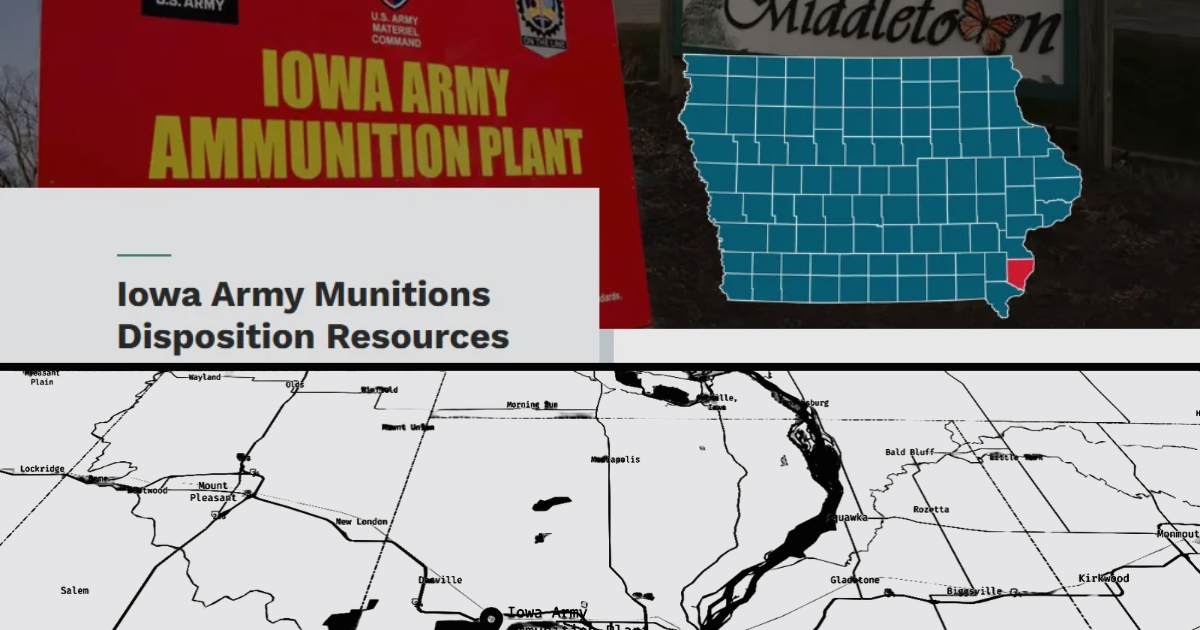
Iowa Launches Website as Army Plans Detonation of Nearly 5 Tons of Lead Azide
Iowa launched a state website Sunday to help residents prepare for the U.S. Army’s planned detonation of nearly...
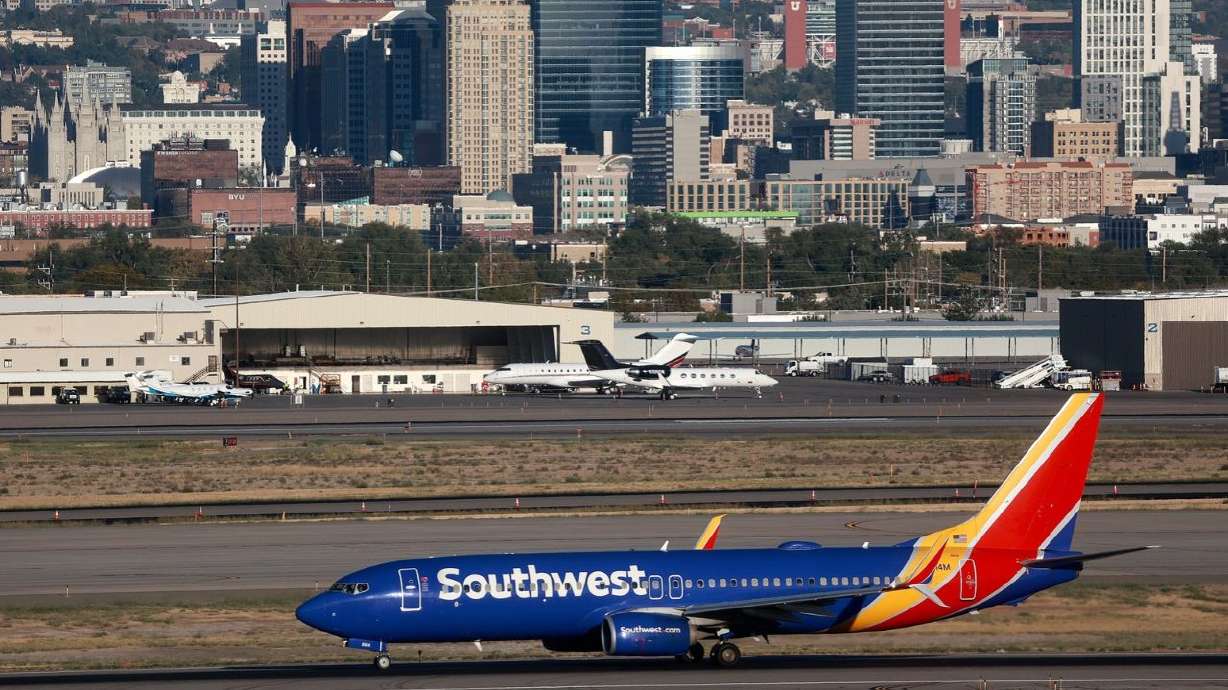
Salt Lake City International Airport Named World’s Best Large Airport for 2027 by TIME Magazine
Salt Lake City International Airport was named the World's Best Large Airport for 2027 by TIME Magazine on...

No. 1 Nebraska Sweeps No. 23 Indiana With Season-Best .488 Hitting to Reach Big Ten Semifinals
No. 1 Nebraska hit a season-best .488 and swept No. 23 Indiana on Sunday to reach the semifinals...

Justin Herbert Scores Touchdown as Fiancée Madison Beer Celebrates After Burglary Scare
Los Angeles Chargers quarterback Justin Herbert scored a flipping touchdown on the final play of the first half...