
The Iowa Poison Control Center issued safety guidance for residents near the Iowa Army Ammunition Plant in Middletown ahead of a planned detonation of roughly five tons of lead azide now scheduled for Wednesday, November 25. Officials say the primary health risk is lead exposure, not the azide itself, and that simple indoor precautions can greatly reduce risk.
The Army moved the detonation from Friday to Wednesday to allow for optimal weather and mitigation measures, KEYC reported. The exact time of the blast has not been released.
The material, stored in 68 barrels, has crystalized over years in earthen bunkers, making it too unstable to transport or open safely, Army Public Affairs Specialist Justine Barati told KCTV5. The Army plans two rapid-fire shots that will appear simultaneous and will use water misters to knock down particulates.
What precautions should residents take?
During and for 24 to 48 hours after the detonation, the Iowa Poison Control Center and Iowa Health and Human Services advise staying indoors with windows and doors closed, turning off HVAC systems or setting them to recirculate, and using a HEPA air cleaner if available, KTIV reported. Drivers should set vehicle air to recirculate and avoid unnecessary travel through the area.
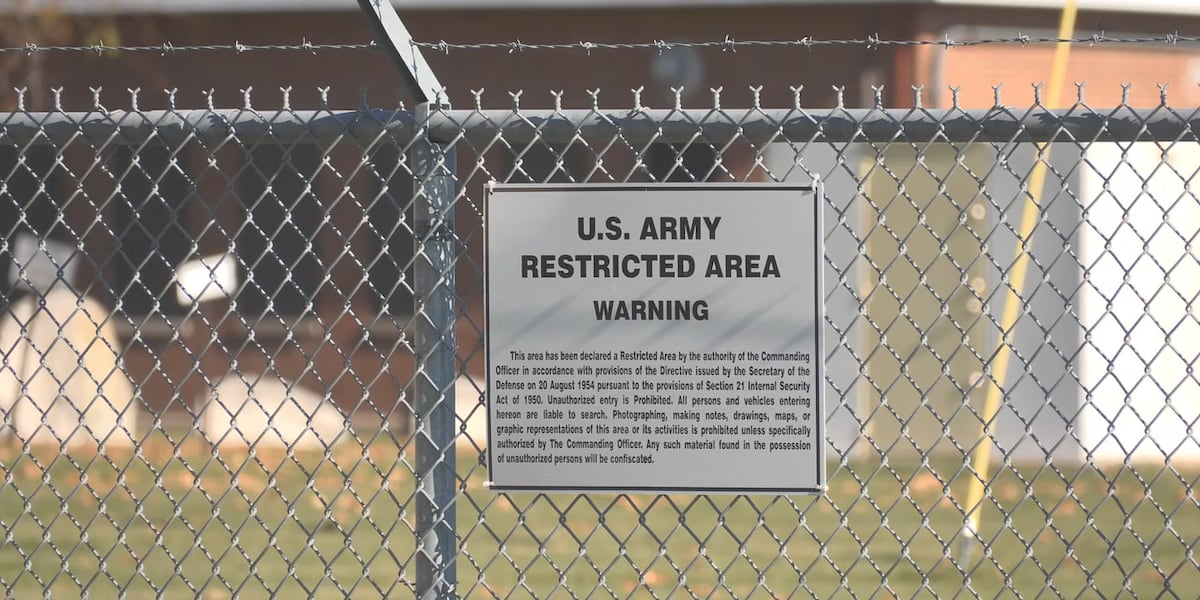
Once officials declare the airborne exposure period over, residents should wet-clean outdoor surfaces, playground equipment, and windowsills with soap and water — avoiding dry sweeping — wash hands frequently, remove shoes at the door, wash garden produce thoroughly, and consider a car wash for vehicles parked outside. Children should not play in bare soil, mulch, or wood chips until environmental testing is complete, KCRG reported.
Who faces the greatest risk?
Young children under 6 and people who are pregnant or breastfeeding are at greater risk from lead exposure and should be especially careful to follow the recommended steps, the Iowa Poison Control Center said.
Dr. Dan McCabe, the center’s medical director, emphasized that lead poisoning develops over weeks to months, not from a single brief incident. “A brief exposure is rarely a medical emergency, and the simple steps below can greatly reduce the chance of exposure,” he told KCRG.
When should someone seek medical care?
People without symptoms do not need emergency care. Anyone concerned about exposure can discuss a blood lead test with their regular health care provider in the coming weeks; environmental test results will help guide those decisions. However, anyone who becomes confused or unusually sleepy should be seen in an emergency department immediately, the center advised.
Why is the Army detonating the material now?
The Army says cold weather increases the risk of an uncontrolled explosion of the deteriorating lead azide, which has been stored on site for years. Environmental groups including the Iowa Environmental Council and Sierra Club filed a lawsuit to block the blast, arguing the Army is overstating the emergency.
A federal appeals court placed a temporary stay on the EPA permit, but the Army and EPA asserted they can proceed without it to protect the public from an unplanned detonation, KEYC reported. Dr. Mark Thomas, a retired EPA official, said in court filings that the earthen bunkers insulate the material from cold temperatures, and Dr. Ranajit Sahu, a mechanical and chemical engineer, wrote that alternative destruction methods were overlooked.

Army moves blast to Wednesday and releases plume maps
The Army announced on November 22 that the controlled blast would move from Friday to Wednesday, November 25, to allow for optimal weather and full mitigation measures, KEYC reported. The post did not specify a time for the detonation.
On Wednesday evening, the Army released new maps showing the predicted path of potential lead dust particles, KEYC and KCTV5 reported.
Court filings challenge emergency claim and note earlier planning
Dr. Mark Thomas, a retired EPA official, wrote in court filings that the earthen bunkers insulate the material from cold temperatures and that recent forecasts are comparable to conditions already experienced without incident.
The legal response notes the Army sought a contract for lead azide neutralization in September 2025 and has been working on the detonation plan since March 2026, KEYC reported. Dr. Ranajit Sahu, a mechanical and chemical engineer, wrote that alternative destruction methods were overlooked and that explosive demolition is rarely 100% effective in destroying material.
“The Army and EPA should engage with independent experts to comprehensively and transparently consider all alternatives to detonating the crystalized lead azide,” Dr. Ranajit Sahu, a mechanical and chemical engineer, wrote in court filings.
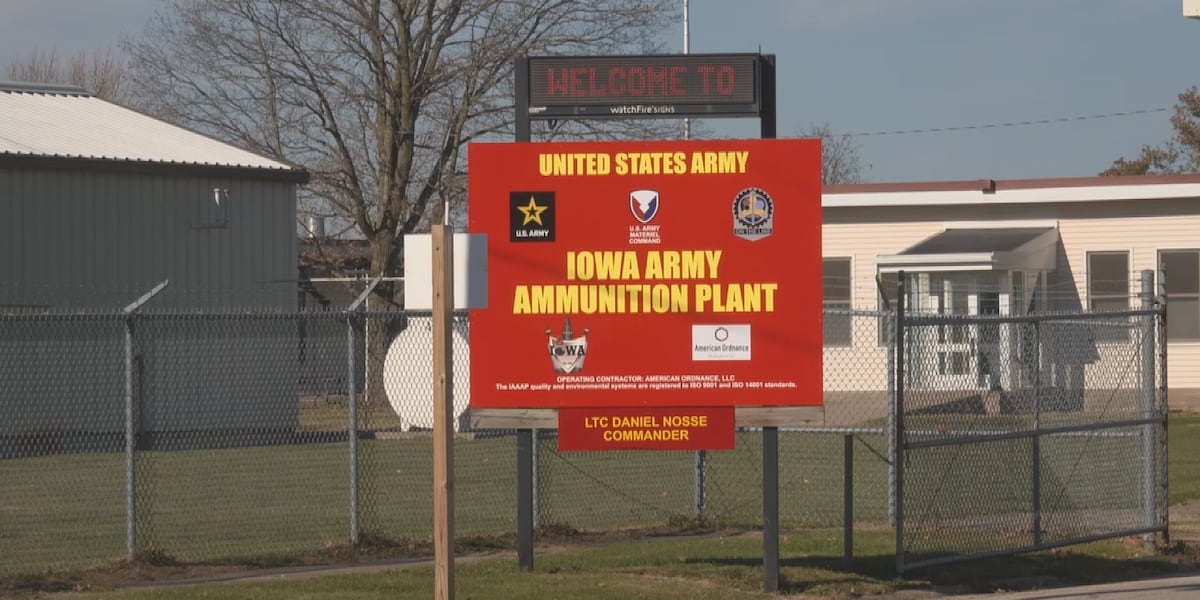
Governor’s office learned of plans days before detonation
Gov. Kim Reynolds’ office said it learned of the detonation on Monday of the week of the blast, after the Army issued a public advisory, KCTV5 reported.
What happens after the blast?
Explosive ordnance specialists will search the area for remaining material and detonate any found. The Army plans to release a media advisory mapping the plume’s path with arrival times for affected communities. Residents can follow updates on the U.S. Army Installation Community Notifications page, Iowa HHS, and local officials. Rain forecast for Saturday and Sunday may help wash particulates out of the air, Barati said.

Horton Smith: First Masters Champion Also Holds Second-Worst 72-Hole Score
Horton Smith recorded the second-worst 72-hole score in Masters tournament history. Golf history holds both triumphs and struggles,...

Oregon Weigh Station Sweeps Sideline 41 Trucks, 16 Drivers, Uncover 500+ Violations
Forty-one commercial vehicles and sixteen drivers were sidelined across Oregon during three autumn weigh station operations that uncovered...

KC Council Approves $210M TIF for Country Club Plaza Overhaul
To finalize the major $1.3 billion overhaul needed for the Country Club Plaza, the Kansas City Council approved...

German Shepherd GCHG Kaleef’s Sassicaia Wins Best in Show at Minneapolis Kennel Club 2026
Competing against a total entry of 969 dogs, a German Shepherd Dog named GCHG Kaleef’s Sassicaia secured Best...