Iran began nationwide rolling electricity outages on Sunday as a deepening energy crisis, worsened by war damage and U.S. sanctions, pushed the government to ration power ahead of winter.
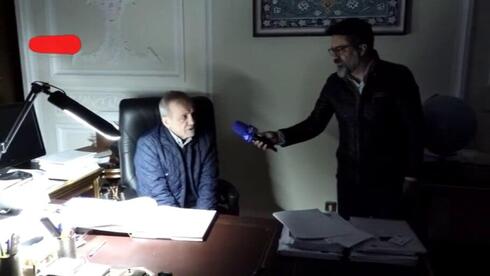
President Masoud Pezeshkian appeared on state television Sunday working in a darkened office wearing a winter jacket, urging citizens and officials to conserve electricity. “There is enough light,” Pezeshkian said, pointing to a desk lamp. “You don’t need to turn all of this on to get your work done.”
The footage, intended to show leadership by example, instead triggered widespread ridicule online, with critics comparing the scene to conditions in impoverished nations. “The image you see, of him working in a dimly lit office while wearing a coat, is something you would not see even in the poorest countries in Africa,” one Iranian newspaper wrote, according to ynetglobal.
Israeli strikes damage gas plants and cut power capacity
Iranian officials said Israeli strikes on March 17 damaged four gas-processing plants, initially knocking out roughly 230 million cubic metres of daily gas-processing capacity, The National reported. Pezeshkian later put the loss at 240 million cubic metres of daily production, with about 100 million cubic metres restored, according to Oilprice. Energy Minister Abbas Aliabadi said the attacks cost Iran around 4,200 megawatts of power-generation capacity, The Times of India reported.
Mohammad Allahdad, head of the national electricity company, announced the restrictions Saturday, citing difficulties securing sufficient fuel for power stations. Depending on the region, residents face outages of roughly two hours every other day or up to two hours daily. Government spokesperson Fatemeh Mohajerani said last week the gas shortage this winter would likely reach 430 million cubic metres, compared to 300 million last year.
Sanctions, blockade and inflation
The crisis unfolds under renewed U.S. pressure. In August, Treasury Secretary Scott Bessent announced “Operation Economic Outcast,” an initiative to isolate Iran financially and restrict revenue, Israel National News reported. President Donald Trump told Fox News on Sunday he was leaning toward resuming major operations against Iran after the beginning of 2027 unless negotiations produce an agreement, describing Iranian negotiators as “professional tap dancers” who “talk all the time… but it’s all BS.”
Trump also warned Iranian vessels attempting to break a U.S. naval blockade would be attacked, saying he hoped they would challenge it and end up “at the bottom of the sea like the rest of Iran’s Navy.”
Decades of sanctions have eroded Iran’s ability to maintain aging infrastructure.
For the Iranian month of Mehr (September 23 to October 22), the 12-month average annual inflation rate stood at 76.8 percent, according to the Statistical Centre of Iran, Al Jazeera reported. “This is the most severe siege imposed on us since the revolution,” analyst Saeed Leylaz told Reuters, as cited by the Tri-City Herald.
Israeli strikes cripple gas-processing capacity
Prime Minister Benjamin Netanyahu stated Israel acted alone, despite Iranian claims of U.S. involvement. The National Iranian Gas Company chief Saeed Tavakoli confirmed the damage disrupted the country’s ability to process and supply natural gas, compounding an existing shortage ahead of winter.
Officials warn of unrest as citizens adapt
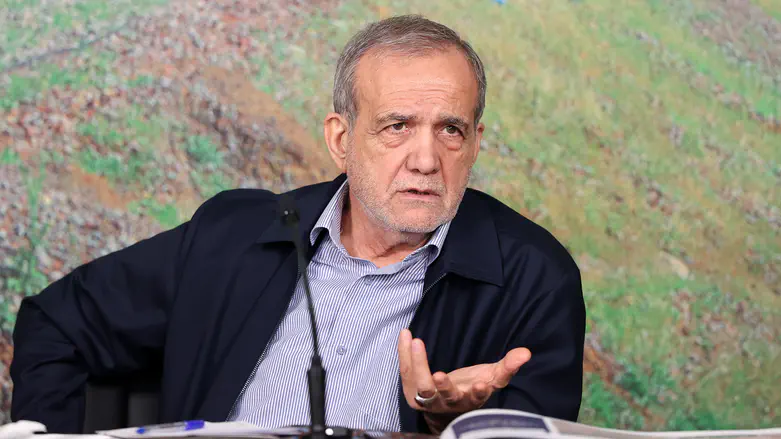
A senior Iranian official and a security official told Reuters the hierarchy is increasingly concerned about public unrest, with domestic intelligence agencies monitoring for opposition signs. The senior official warned that increasingly difficult living standards were becoming harder to withstand, describing it as “a fire smouldering beneath ashes.”
Street vendor Seyyed Ahmad Seyyedi said if gas gets cut off, “we’ll have to close down and go home,” adding the war must end so problems and high prices can stop. Rice factory worker Mina Lahrasabi, 65, said continuing life under these conditions is difficult. In Urmia, Reza, 45, said there was little concern among people he knew about potential shortages and his family had bought three electric heaters.
Public frustration grows amid strikes and shortage fears
Frustration is mounting. Truck drivers have struck across the country over economic hardship, Iran International reported. Petrochemical plants face potential shutdowns before winter due to gas shortages, IranWire reported. A senior Iranian official and a security official told Reuters the hierarchy is increasingly concerned about public unrest, with domestic intelligence agencies monitoring for opposition signs. The senior official warned that increasingly difficult living standards were becoming harder to withstand, describing it as “a fire smouldering beneath ashes.”
Not all Iranians expect immediate upheaval.
“The reality is that I don’t mean to start crying now over what might happen. We already have enough problems – inflation, high prices and other difficulties to see a potential fuel shortage as relatively minor,” Zahra Hosseini, 44, a food company worker in Tabriz, told Reuters.
Pezeshkian addressed the backlash over the video, saying he was “simply avoiding switching on unnecessary lights” and considered it his duty to prevent excessive consumption. Mohajerani defended the administration, saying it was fully committed to getting through the winter by conserving resources.
Related reading
- El-Sayed Pitches ‘TrumpCare’ Branding, Jeffries Plans Medicare Votes
- NZ Man Arrested in Brazil on Suspicion of Baby Trafficking
- Londoners face soaring bills for council tax, energy and transport (newsarchyuk.com)
- Iran Faces Energy Crisis and Austerity Amid US Pressure and War Damage (world-today-news.com)

El-Sayed Pitches ‘TrumpCare’ Branding, Jeffries Plans Medicare Votes
Sen.-elect Abdul El-Sayed (D-Mich.) offered to brand a Medicare for All plan "TrumpCare" with gold insurance cards if...

NZ Man Arrested in Brazil on Suspicion of Baby Trafficking
A New Zealand man has been arrested in Brazil on suspicion of international child trafficking after police uncovered...

MHRA Authorises Fixed-Dose Obicetrapib-Ezetimibe Tablet for Uncontrolled Cholesterol
The UK medicines regulator on Thursday authorised a fixed-dose tablet combining obicetrapib and ezetimibe for adults whose cholesterol...

Travel Influencer Sean Hammond Champions Leitrim in RTÉ One Show A Place Called Home
Travel influencer Sean Hammond will champion County Leitrim as a destination in a one-off RTÉ One programme airing...