
“It was like seeing a beautiful painting being torn apart,” said Iain McCartney, author of 30 books on Manchester United’s history, describing the moment he stopped going to Old Trafford.
His last game came at the end of the 2024-25 season, after 36 seasons of missing only two weekend matches.
The club that once defined English football’s commercial and competitive ceiling now sits in the Premier League’s relegation places for the first time since 1974, and the numbers tell a story of erosion that no amount of global branding can paper over.
The Athletic reported this week that United’s revenue ranking has slipped from second in the world when the Glazer family took over in 2005 to eighth by 2024-25 — fourth in England behind Manchester City, Arsenal and Liverpool.
Ten years have passed since United broke the world transfer record paying Juventus £89m for Paul Pogba. Since then, 22 bigger deals have been struck across the sport; 13 involve Premier League clubs. None involved United. This summer the club spent £190million on new players while City’s figure was closer to £500m and 10 clubs in total (half the Premier Lea
“Manchester United is still seen as a great club because of its history and what it represents,” said Damien Degorre, football correspondent for L’Équipe. “But in the minds of the French people, United are no longer in the same league as City, Arsenal, Liverpool or even Chelsea — that’s the ‘Big Four’ now, as seen from France.”
The commercial engine still hums. Broadcasters keep choosing United games because they deliver audiences. CBS Sports has picked a United Champions League fixture for its U.S. audience three times already this season. “Twenty-seven years on, United’s 1999 Champions League final remains the biggest seller,” said Clive Tyldesley, the veteran commentator who sells prints of his commentary charts. “They are a global name. You don’t lose that overnight.”
But the next generation is looking elsewhere. Paris Saint-Germain’s social-media following grew 17.9 per cent over the last two seasons — more than double United’s 8.6 per cent — while PSG outdid United on Instagram and TikTok. On TikTok, PSG and Tottenham Hotspur now have more followers than United. On Instagram, PSG leads. Liverpool and Juventus rank above United in YouTube subscribers.
“If you look at which players have gained the most Instagram followers since the start of the season, much of the list reads like the Madrid and Barca team sheets,” said Andrea Sartori, founder and chief executive of Football Benchmark. “Madrid have added more than two and a half million followers since the season kicked off and Barca nearly two million, compared with just over 200,000 for United.”
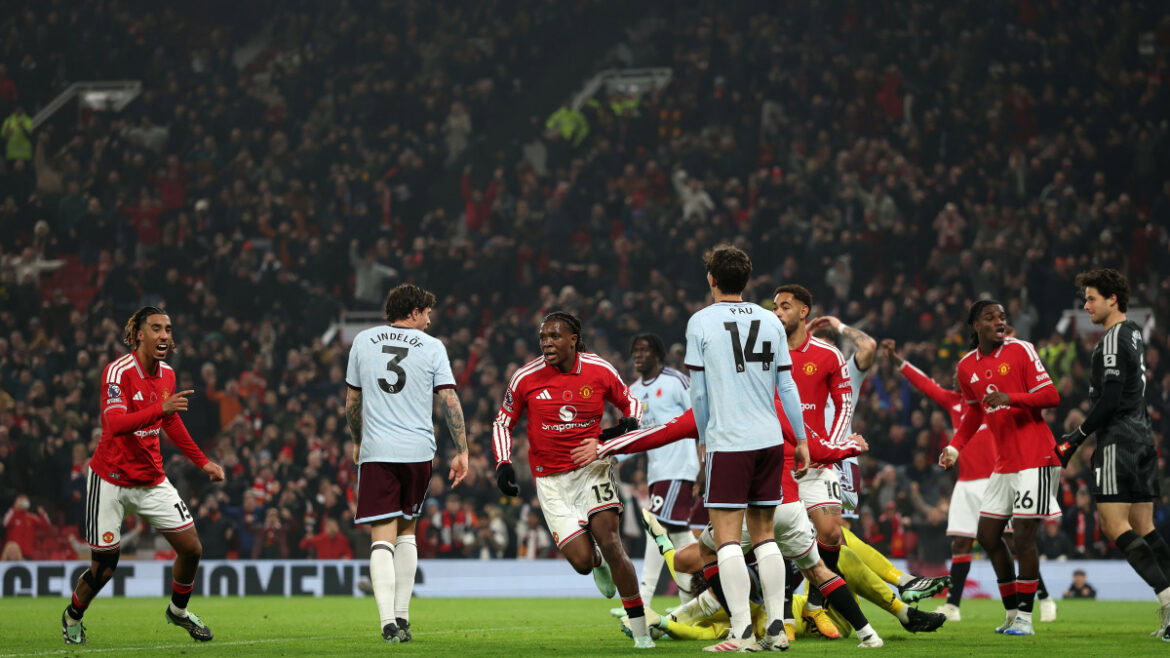
Recruitment reflects the shift. Apart from Leny Yoro, no promising young French player has signed for United recently. Liverpool have attracted Hugo Ekitike, Bradley Barcola and Jeremy Jacquet; Chelsea have Malo Gusto, Wesley Fofana and Maxence Lacroix; City pursue Rayan Cherki and Ayyoub Bouaddi; Arsenal maintain a historic French connection.
“United, not so much,” Degorre said. “And the fact they have the same owner, INEOS, as OGC Nice — which hasn’t exactly done the right things at Nice; far from it — doesn’t help to improve United’s image in France.”
Inside the dressing room, the picture is no clearer. One high-profile manager described the final weeks of Michael Carrick’s interim spell as “anarchy,” with players wanting to “call the shots but not prepared to take any responsibility.”
The same source said United needed a return to the days when Sir Alex Ferguson would “grab a spiked stick and start swinging it about.” Mauricio Pochettino, the new manager, has been characterized by a senior executive as taking on “a horrible job.”

Jim Ratcliffe’s INEOS Group bought a 27.7 per cent stake in February 2024 promising a reset. Since then, spending has slowed by Premier League standards and the club’s trajectory has not visibly bent upward.
The tourists still pose beneath the Holy Trinity statue of Bobby Charlton, Denis Law and George Best on Sir Matt Busby Way. The forecourt is busy. But the sandcastle metaphor McCartney used — winning first prize, then watching the tide wash it away — feels less like nostalgia and more like a balance sheet.
Old Trafford, United’s home since 1910, was built on land beside the Bridgewater Canal after chairman John Henry Davies decided the club’s Bank Street ground was unfit for a First Division and FA Cup winner. Designed by Archibald Leitch with an original capacity of 80,000, it earned the “Moneybags United” label at a time when transfer fees hovered around £1,000.
German bombing forced United to share Maine Road with Manchester City from 1941 to 1949. The record attendance of 76,962 was set at a 1939 FA Cup semi-final between Wolverhampton Wanderers and Grimsby Town, and Bobby Charlton later christened it the “Theatre of Dreams.”
United’s name remains box-office. The same television executives who once capped United’s appearances because they would otherwise dominate the schedule still pick them first. “They survived that era when they went down,” said Trevor East, a veteran of ITV, Sky Sports and Setanta.
“They came back as popular as ever. And the same would happen again, even more so now. They have an enormous following and, at times like this, I imagine there are quite a few people who are watching to see if they might lose.”

HUD Declares Newark Housing Authority in Substantial Default, Installs Federal Receivers
The federal government took possession of New Jersey's largest public housing authority Thursday, firing its board of commissioners...

96 Facts About the Second Round of the VHSL Football Playoffs
Ninety-six data points land on the desk this week as the Virginia High School League football playoffs hit...
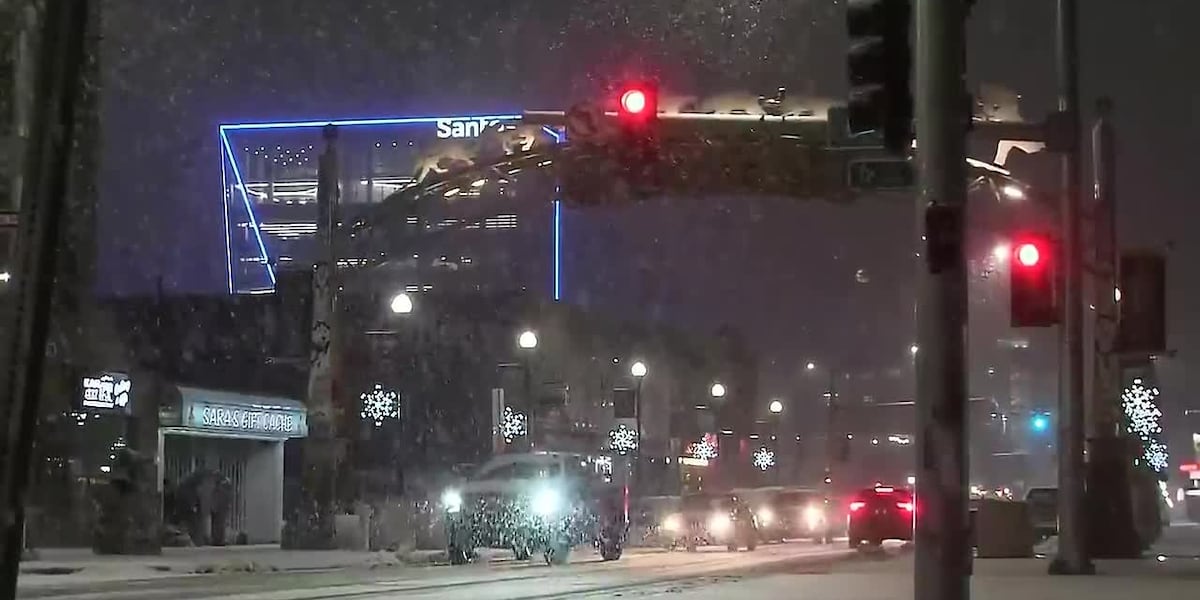
Heavy Snow Knocks Out Power to 8,000 in Anchorage After Tree Downs Power Line
Heavy snow knocked out power to just over 8,000 Chugach Electric customers in Anchorage Thursday evening after a...

Packers Waive Pierre Strong, Signaling Micah Parsons Activation for Rams Game
The Green Bay Packers waived running back Pierre Strong Jr. on Thursday, a procedural move that all but...