
In a feature published by The Eye of Photography, Jean-Pierre and Éliane Laffont explore their lifelong partnership and photographic archive, capturing a defining cross-section of American history from the 1960s through the 1980s.
Jean-Pierre Laffont spent decades documenting the fractures, protests, and daily realities of the United States as a foreign-born photojournalist. Working alongside him as an editor, art director, and curator, Éliane Laffont shaped the preservation and public presentation of those images. Their collaborative work brings forward an extensive chronicle spanning civil rights demonstrations, the Vietnam War, Black Power movements, and the rise of counterculture.
The archive is currently highlighted in their new book, Rebels with a Cause, published by Damiani. The 192-page volume gathers vintage frames of American protest movements alongside contemporary editorial framing. The project bridges two distinct photographic approaches: Jean-Pierre’s urgent pursuit of live events and Éliane’s deliberate curation of visual memory.
The release coincides with major public events in Paris this November. An upcoming exhibition and sale featuring more than 150 prints will showcase Jean-Pierre Laffont’s documentation of a country in deep social upheaval, as reported by The Eye of Photography.

Collectors and the public can attend a book-signing event at the Grand Palais. Éliane and Jean-Pierre Laffont are scheduled to appear at the Damiani booth, L03, on Friday, November 13, starting at 6:00 p.m. Following the exhibition opening, the auction house Gros & Delettrez will dedicate an entire sale on Monday, November 16, to Jean-Pierre Laffont’s historical prints.
“I am 92 years old and unfortunately I can no longer run around as much as I would like,” Jean-Pierre Laffont noted when discussing his current relationship with the medium.
The featured prints trace an era ranging from anti-war marches to the fall of Richard Nixon.

Pakistani AI Startup RLabs Wins GOAL Award at Silicon Valley Summit
Pakistani AI Startup RLabs Wins Silicon Valley Award Pakistani artificial intelligence startup RLabs secured the GOAL Startup Award...

Director of Regulatory Compliance & Patient Experience (RN) – Kalamazoo, MI
Kalamazoo Behavioral Health Hospital has launched a recruitment drive for a Director of Regulatory Compliance and Patient Experience,...
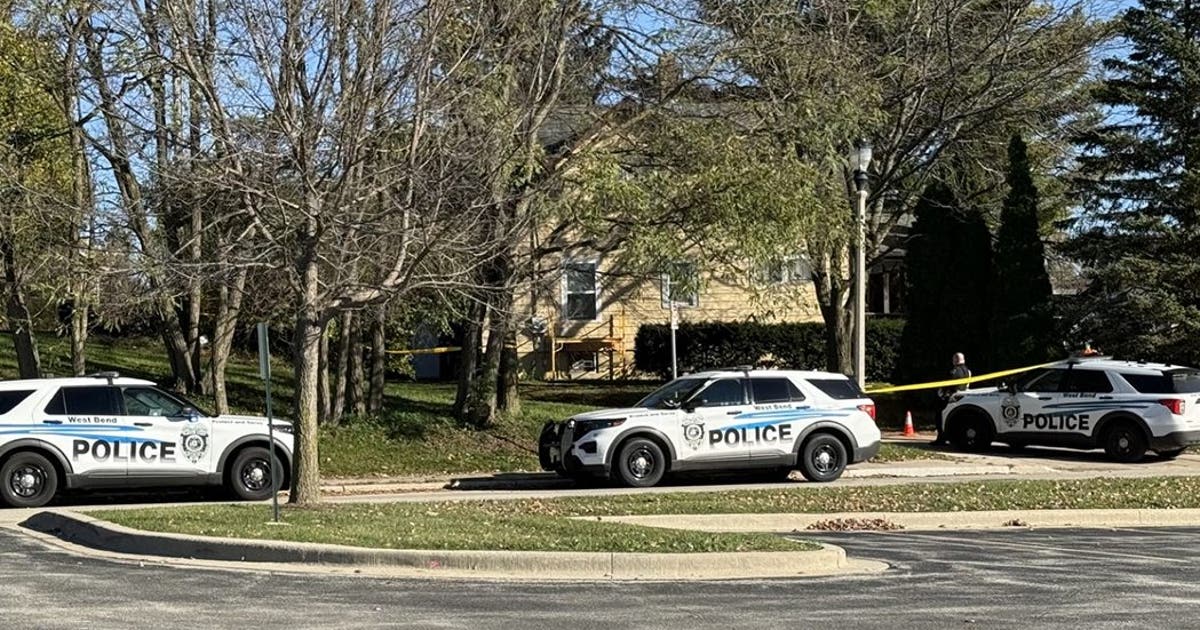
Former Milwaukee Police Officer Identified as West Bend Shooting Suspect
A former Milwaukee police officer is the suspected gunman in a West Bend shooting that left four people...

Giants Beat Eagles 19-11 as J.J. McCarthy Returns to Play After Injury
For the first time in a decade, the New York Giants walked out of Lincoln Financial Center as...