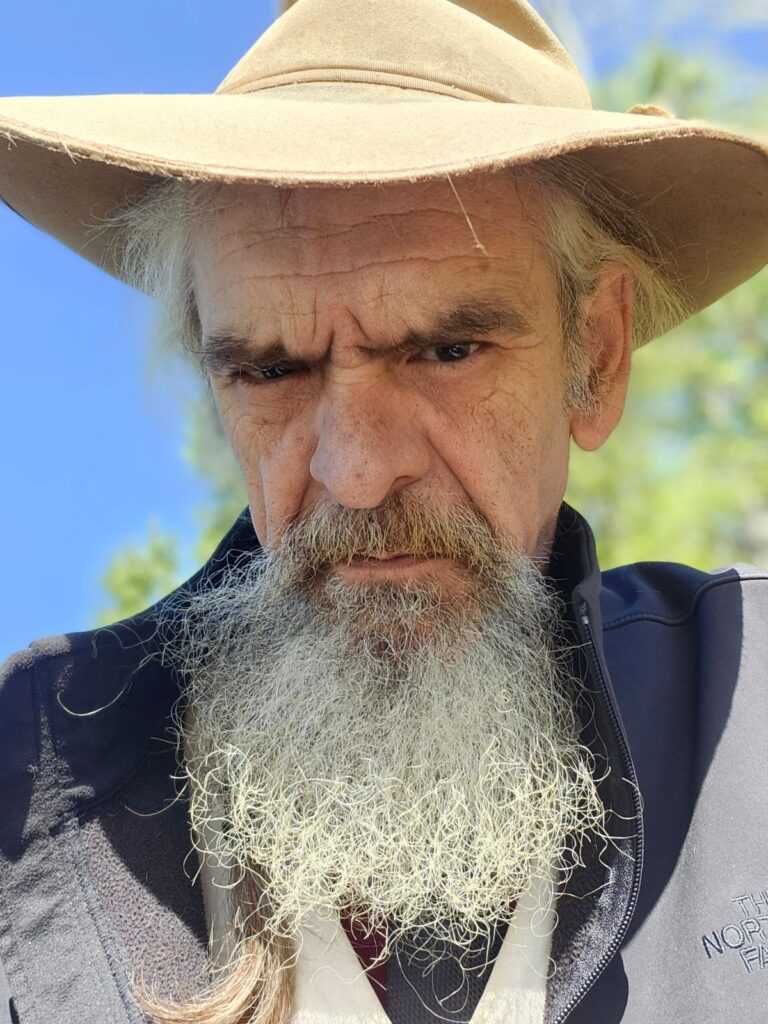
Jefferson Weaver argues that Americans must move beyond superficial gestures of gratitude to truly honor the sacrifices made by those in uniform, according to a column in Columbus County News.
Writing in the lead-up to Veterans Day, Weaver suggests that while society often holds ceremonies or watches films, the real obligation lies in being a country worthy of the people who serve.
The piece reflects on the invisible burdens carried by veterans, ranging from physical injuries to the profound psychological toll of combat.
Weaver uses the memory of a man named Mr. Jimmy, a World War I veteran, to illustrate the long-term consequences of warfare.
He describes Mr. Jimmy as a man who remained perpetually cold even in extreme heat and struggled with advanced cognitive issues, which Weaver identifies as the “cost paid by so many who serve our country.”
The column notes that during that era, veterans returning home had no formal support network or specialized assistance and relied solely on their families.
This lack of institutional support stands in contrast to more modern eras, though Weaver argues that current systems like the Veterans Administration are still often inadequate.
The author observes that while the country has learned from certain historical mistakes, the treatment of veterans has fluctuated significantly between generations.
He points to the Vietnam War era as a period where society and politicians failed veterans, noting that the focus often shifted toward criticizing the soldiers rather than the leaders who directed the conflict.
The column explores the unique, often silent connection shared between service members across different branches and conflicts.
Weaver recounts an instance where two veterans from the Global War on Terror established an immediate connection despite never having met in the field.
He suggests that the tendency to tell “war stories” is often an instinctive drive to pass lessons to younger generations or a way for contemporaries to find comfort in shared understanding.
The piece highlights that many veterans volunteer for service despite the harsh realities of the job.
“They volunteered to eat bad food out of plastic bags in inhospitable places while trying to help ungrateful people who often shot at them – sometimes as they ate the aforementioned bad food.”
Weaver notes that these individuals often sign away control of their lives for salaries that can fall below minimum wage and under working conditions that would challenge even the strongest laborers.
As the nation approaches November 11, Weaver reminds readers of the date’s origins as Armistice Day, marking the end of the First World War in 1918.
The column observes that while the original intent was to commemorate a universal peace, the reality of human conflict has persisted through subsequent wars, including Korea, the Cold War, and more recent conflicts in the Middle East and Africa.
Weaver emphasizes that the modern military relies on volunteers rather than a draft, yet the willingness of individuals to leave their families to serve remains constant.
The author concludes by noting that while many veterans regret specific events from their service, they do not regret the decision to protect their home.
He challenges the public to do more than offer applause, urging citizens to strive to be an American worthy of the sacrifices made by those who have lost limbs, minds, or lives in service.
Keep reading
Obituary: John Patrick Devine, 85, Virginia Beach, VA
John Patrick Devine, a longtime IBM executive and dedicated family man, died peacefully on November 4, 2026, in...

DocCafe Lists Diverse Medical Roles Needed Across Vermont
A diverse array of specialized medical roles is currently being sought across Vermont, according to a recent listing...

Texas Man Allegedly Beat and Choked Woman on MSC Cruise Ship
Jason Watford, a 48-year-old man from Tyler, Texas, allegedly beat and choked a woman in their cabin after...
George Lake Wins Inaugural Pennsylvania Veteran Ag Entrepreneurship Award
George Lake has been named the first-ever recipient of the Pennsylvania Veteran Ag Entrepreneurship Award, according to a...