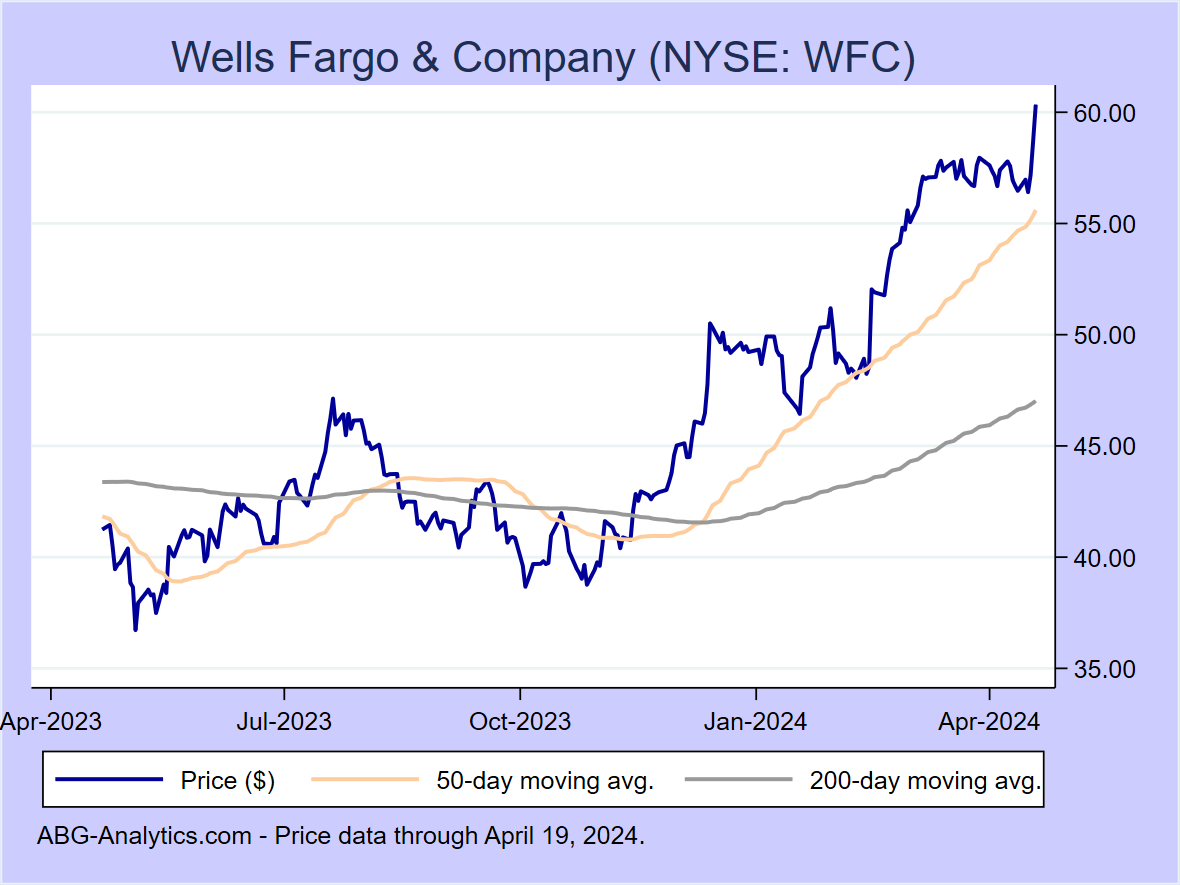
Wells Fargo stock remains a bargain in the current market, as the financial giant trades at just 11 times earnings.
During a recent lightning round segment, Jim Cramer highlighted the bank’s valuation while praising the leadership of Charlie Scharf.
For investors keeping a close eye on the financial sector, the assessment offers a specific perspective on why Wells Fargo stands out against other high-multiple stocks. Cramer’s analysis emphasizes that while some areas of the market are currently overheated, the bank’s current pricing reflects a more grounded reality for those looking for value.
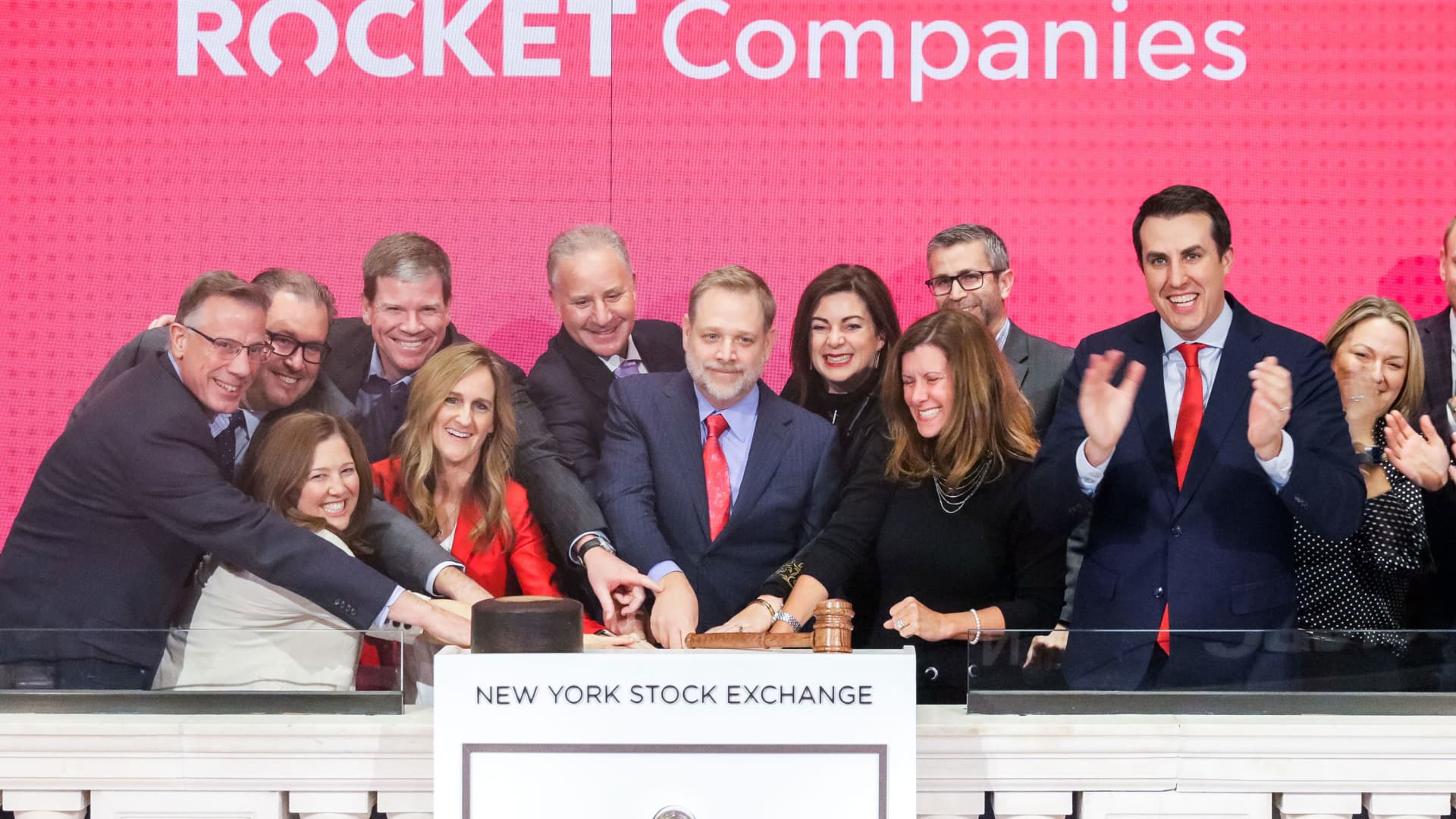
Not every sector shared the same outlook in the latest market review. Rocket Companies, for instance, failed to earn a recommendation due to its exposure to the mortgage and real estate industries. “Rocket is a company you can’t own right now. It’s high multiple stock. It’s involved with mortgages and real estate. That’s not our winner,” Cramer told.
The conversation also touched on the volatility inherent in tech and platform-based stocks. Reddit’s recent performance shows how sensitive digital businesses are to changes in search engine algorithms. Cramer said that Google’s recent adjustments to its traffic-ranking systems significantly hampered Reddit’s reach, a phenomenon he compared to his own experience at TheStreet.com.
Iren, for example, faces this exact struggle. Despite receiving a proverbial blessing from Nvidia, the company’s high rate of cash burn makes it a difficult endorsement. “They are losing way too much money for me to endorse,” Cramer noted regarding the stock’s current standing.
The market’s unforgiving nature was further illustrated by the discussion surrounding Intel. The stock has been a source of frustration due to timing issues regarding executive share purchases and a perceived lack of transparency from the company. “The reason I didn’t mention it is because he [Lip-Bu Tan] also bought a lot of stock at $95, and that crushed me,” Cramer explained.
Ultimately, the current market environment rewards those who can distinguish between temporary operational stumbles and fundamental structural weaknesses. Whether it is a bank trading at a low multiple or a tech firm fighting to maintain its user traffic, the underlying data remains the only reliable compass.

Virginia Beach Man Sentenced to 25 Years for 2022 Fatal Shooting
Cameron Michael Mooty, 22, will serve 25 years in prison for the December 2022 shooting that left 18-year-old...
Sustainable Aviation and Green Infrastructure at Burlington International Airport
The Patrick Leahy Burlington International Airport is changing its infrastructure to prioritize carbon reduction. As passenger demand rises,...

4-Bedroom, 2-Bath Home at 3010 E. 3345 South Is for Rent
A 4-bedroom, 2-bath home located at 3010 E. 3345 South in Salt Lake City, Utah, has entered the...
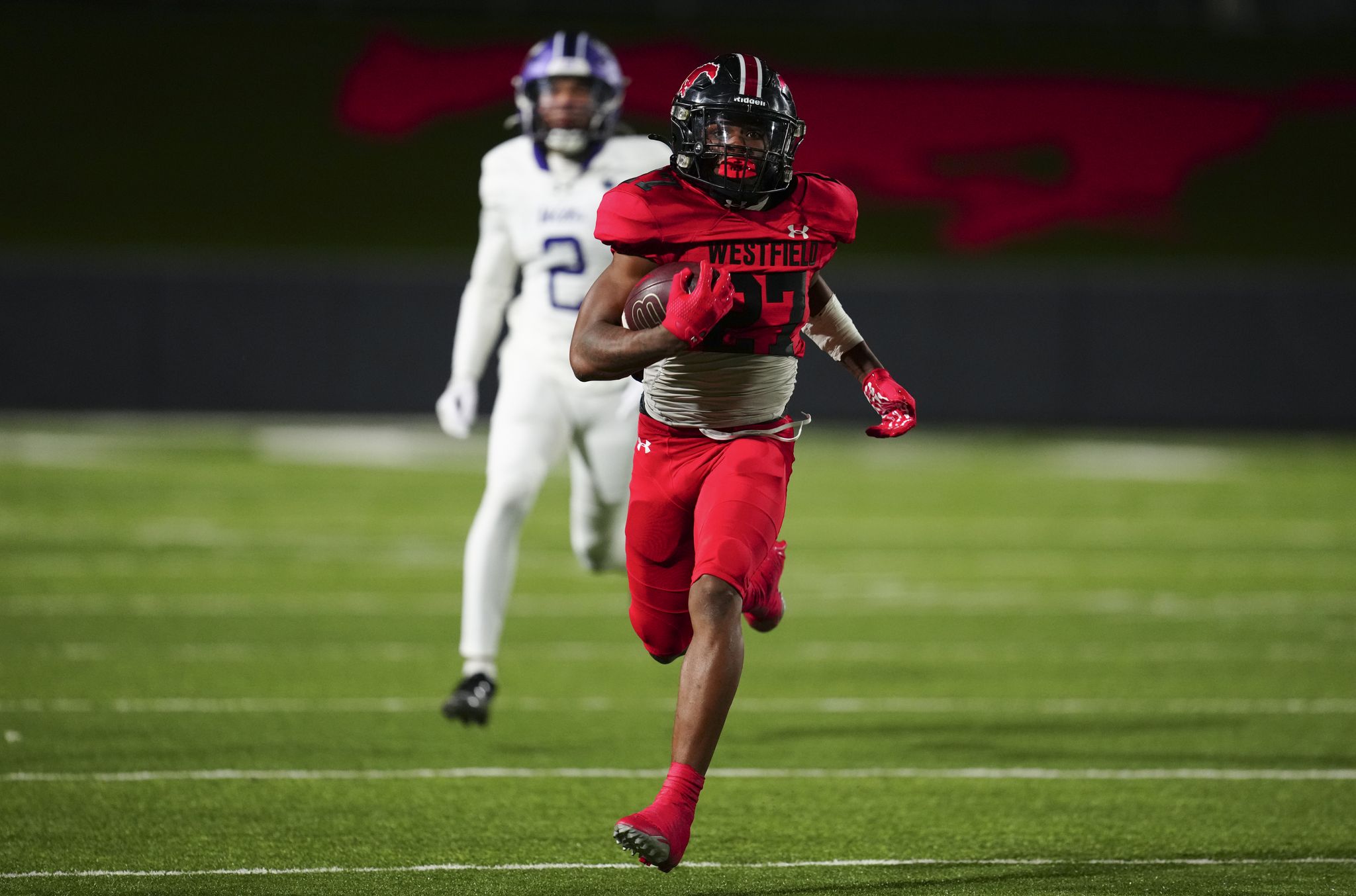
Texas High School Football Playoffs: Statewide Area Round Schedule – Houston Chronicle
The University Interscholastic League (UIL) Texas high school football playoffs move into the area round this week, with...