
Juneau Assembly members signaled support for maintaining Eaglecrest Ski Area’s increased funding while leaning toward continuing a grant cut for the Juneau Economic Development Council during a budget retreat on Saturday. The meeting set priorities for the fiscal year beginning July 1, 2028, amid uncertain revenue forecasts.
Revenue outlook improves but remains volatile
Finance Director Angie Flick told the Assembly that sales tax revenue is projected at $66.8 million this year, down only slightly from $67.2 million a year ago, Juneau Independent reported. Previous estimates had predicted an $11 million annual drop after voters exempted food and utilities from sales tax.
Flick said inflation driven by tariffs and the Iran war offset the loss but also raised city purchasing costs. “Everything that you consume in Juneau used oil to get here and so we’re paying more,” she said.
Assembly acknowledges history of unbalanced budgets
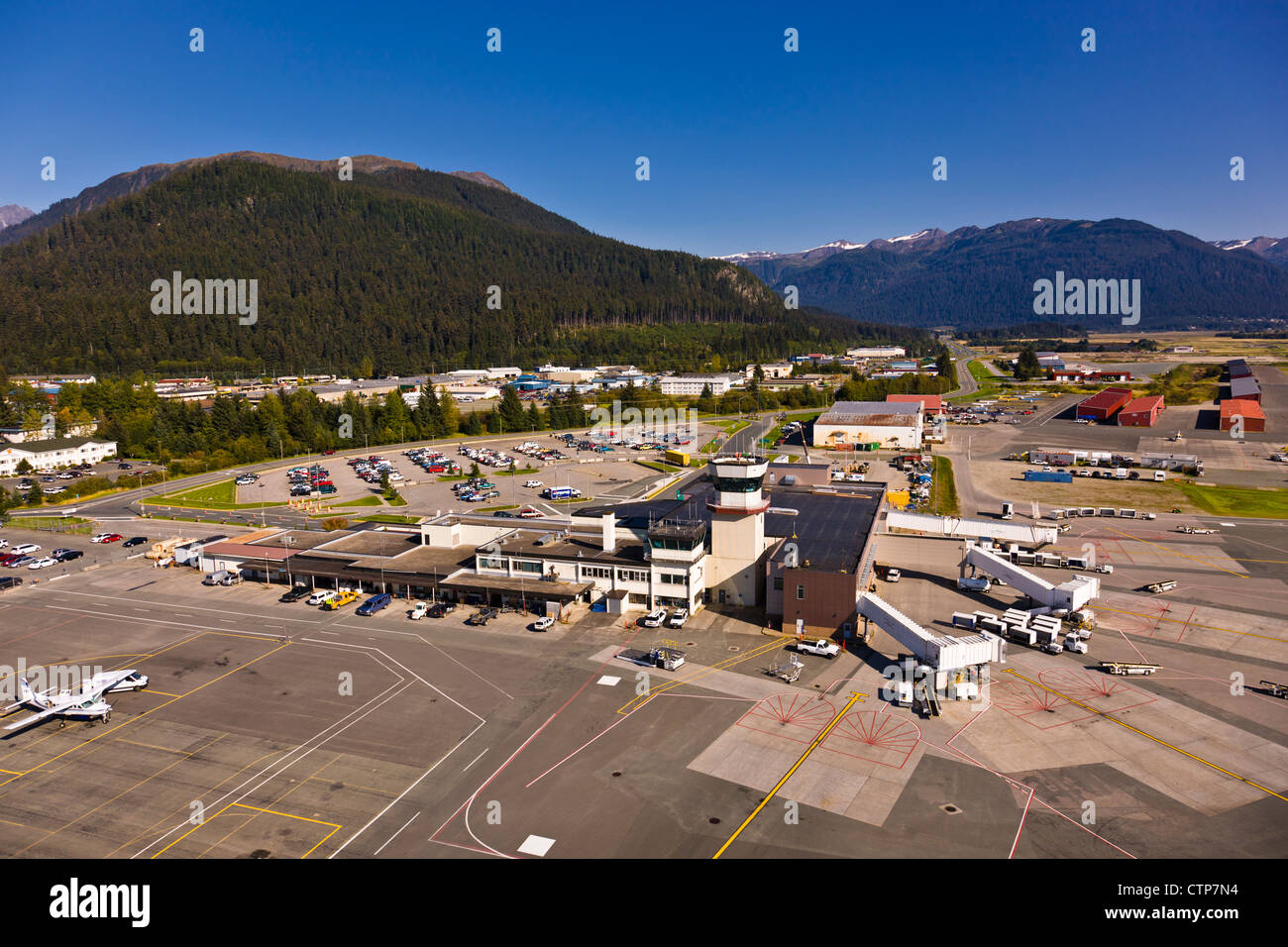
Assembly Member Ella Adkison said the body has repeatedly passed unbalanced budgets. “This Assembly has been pretty bad at matching our recurring expenditures with our recurring revenue, which means we have passed multiple unbalanced budgets,” she said during the retreat at Juneau International Airport.
City Manager Katie Koester presented data showing eight of ten budgeting departments spent less than projected in the past fiscal year.
The general fund spent 3.5% less than its nearly $164 million budget, while Bartlett Regional Hospital spent 4.7% more than its $169 million allocation. “When you’re talking about this large of numbers you’re really talking about very small variances, which is also why it’s very difficult to hit that nail on the head,” Flick said.
Eaglecrest funding likely to continue at higher level
A majority of Assembly members said they are willing to consider keeping Eaglecrest’s allocation at the current $1.7 million, up from a $930,000 base. Ski area leaders plan to request the sustained funding after voters approved a 1% seasonal sales tax for recreational programs in October.
Newly elected Assembly Member Mila Cosgrove said the key question is sustainability. “For me the conversation is more around ‘OK, is this sustainable,’ and then what does that look like and how do we talk about it moving forward?” she said. A joint meeting with Eaglecrest leaders is scheduled for Jan. 4.
JEDC grant cut inclined to remain
Most Assembly members indicated they would continue a $300,000 cut to the Juneau Economic Development Council grant in next year’s draft budget. Members emphasized positions on specific items could change during the spring budget process for the 2028 fiscal year.
Eaglecrest Ski Area, owned and operated by Juneau’s municipal government, has historically relied on general fund allocations to cover operating deficits. In the prior budget year, the ski area generated about $2 million in revenue against $4.8 million in expenses, covering only 43% of its costs — the lowest share in six years — which prompted the city to budget a $2.5 million deficit and ultimately pay it off with general fund money in November 2026.
The city nearly doubled its annual support to about $1.68 million for the current year, and voters in October approved a 1% seasonal sales tax for recreational programs to help sustain the higher funding level. A draft business plan now targets Eaglecrest covering 70% of its costs by 2031.
Aggressive revenue scenario proposed for contingency planning
Flick recommended developing an “additional, highly aggressive revenue forecast” alongside a cautious baseline. The aggressive scenario would include a ranked list of one-time projects or capital maintenance funded only if revenues exceed expectations. Assembly members offered conceptual support pending detailed review in the coming months.
Billings Man Convicted of Carjacking, Firearm Charges; Faces 7-Year Minimum
Cody Lloyd Smith, who had a prior felony conviction in Nevada that barred him from possessing a gun,...

Six from Two Fort Myers Families Killed in Gulf Plane Crash
Six members of a Fort Myers, Florida, family died when their single-engine Cessna 210 crashed into the Gulf...

Passan Proposes Red Sox Trade for Jeremy Peña as One-Year Stopgap for Franklin Arias
ESPN's Jeff Passan proposed a trade sending Houston Astros shortstop Jeremy Peña to the Boston Red Sox for...

Illinois Employers Face Sweeping 2027 Workplace Law Changes Including Menopause Accommodations, Paid Jury Duty and Disparate-Impact Codification
Illinois employers face a wave of new workplace requirements taking effect in 2027, including menopause-related accommodations, paid jury...