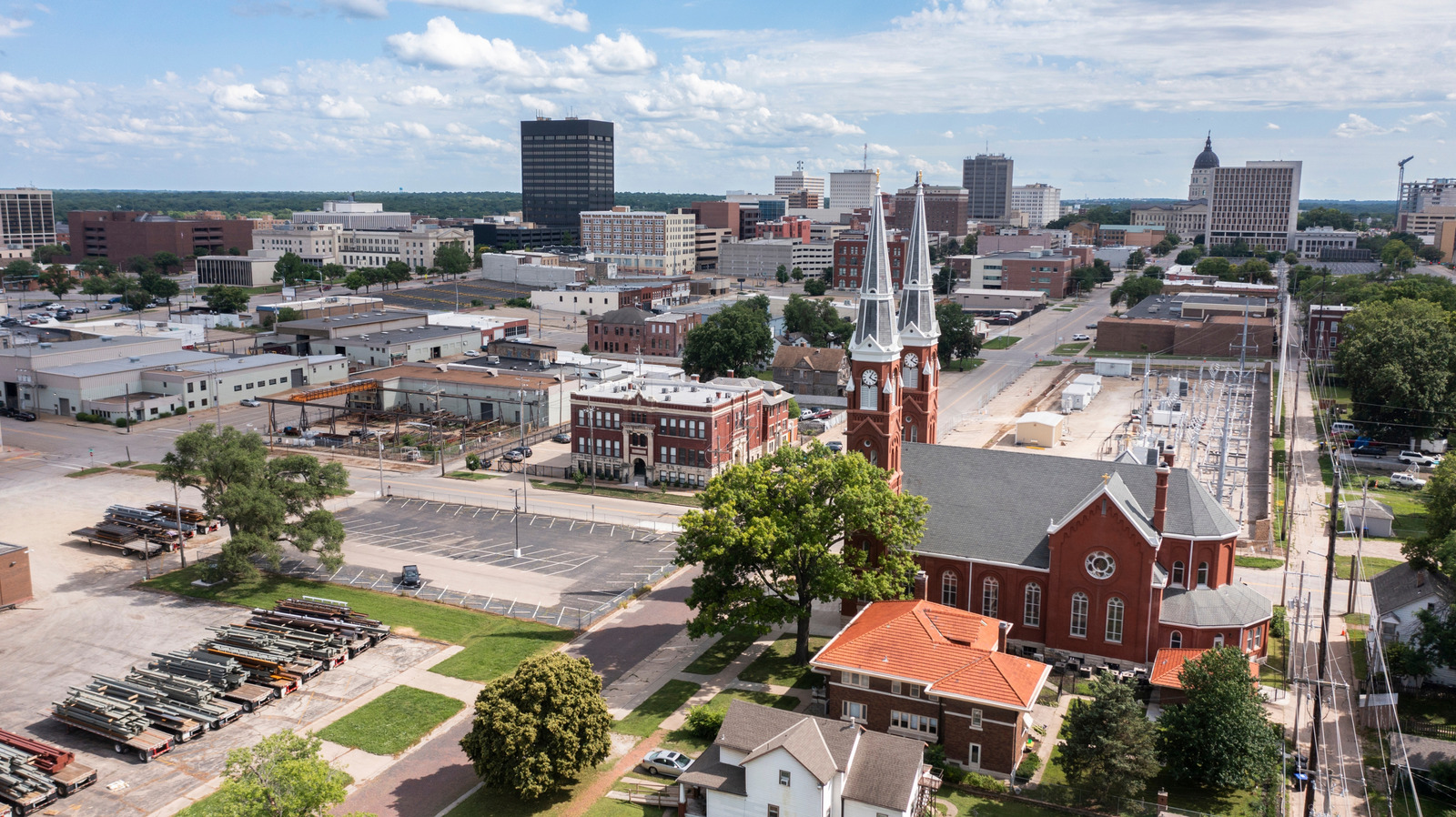
Kansas City has long held its own as a regional sports mecca and a cultural hub, drawing in a steady stream of young professionals.
Yet, the latest data from the 2026 Midyear Migration Trends report released by U-Haul tells a story of a shifting demographic tide. Between July 2025 and June 2026, the company tracked a notable exodus of Millennials—those born between 1981 and 1996—trading the bustle of the “City of Fountains” for a quieter, more affordable life just an hour away in Topeka, Kansas.
This migration isn’t just about a change of scenery; it is a calculated response to the tightening economic realities of urban living. While Kansas City remains a destination for many, the cost-of-living gap has become impossible to ignore.
According to data from Salary.com, residents can expect to pay 7.8% less for daily expenses in Topeka than they would in Kansas City. The Economic Research Institute shows the cost of living in the state capital—often called the “Golden City”—sits roughly 18% below the national average.
The Economics of the Move
For the Millennial generation, the primary driver behind this shift is the elusive goal of homeownership. The math is stark when comparing the two housing markets. Zillow states the average home value in Topeka is $195,299, compared to $250,185 in Kansas City.

That $55,000 difference represents more than just a lower mortgage payment; it is the difference between renting an apartment and building equity. To sweeten the deal, the city has leaned into its “Choose Topeka” relocation program, which has been offering financial incentives since 2019 to individuals who move to, buy a home in, and work within Shawnee County.
As Bob Ross, the President of the Greater Topeka Chamber of Commerce, told CBS News, “This is a city where the American Dream is still possible.”
Beyond the Bottom Line
Affordability alone rarely sustains a population shift. Topeka has worked to cultivate an environment that appeals to the specific needs of Millennials, who prioritize both professional stability and recreational access.
It is common for the city’s unemployment rate to hover under 5%, providing a level of job security that acts as a strong anchor for those considering a relocation. Ownerly previously identified Topeka as a top-tier destination for remote workers who no longer need to be tethered to a traditional office.
The lifestyle shift is supported by an abundance of accessible outdoor space. Kaw River State Park offers 76 acres of trails and river access, standing out as Kansas’ only-free-to-visit and urban state park.
For families, the Kansas Children’s Discovery Center, located within the expansive Gage Park, provides a low-cost hub for science and play, complete with community-focused free nights. These amenities suggest that the city is positioning itself not merely as a budget alternative, but as a viable long-term home.
The Reality of the Plains
However, any move to this region comes with a shared set of environmental stakes. Like its larger neighbor to the east, Topeka sits in a geographic corridor prone to intense storms and tornadoes. While the city offers a different pace of life, it does not offer an escape from the volatile weather patterns that define the Midwest.
While the influx of Millennials—who now make up 19.3% of the local population according to a 2025 study by CommercialCafe—is a positive economic indicator, the transition requires a shift in expectations for those accustomed to the dense amenities of a larger metropolitan area.
The city’s downtown district, home to the golden-domed State Capitol, has seen a steady increase in boutique hotels and nightlife, yet it remains a different scale of urban experience compared to the Kansas City metro.
Whether this trend represents a permanent demographic rebalancing or a temporary flight to affordability is unclear, but the numbers from the 2026 report confirm that a large portion of the region's workforce is prioritizing financial breathing room over big-city scale.
Worth a look
Atlantic Asphalt Tanker Hits New Orleans Riverboat Causing It to Sink
"What was going through my mind was: We're going to die," Tamara Carrasco said, recounting the terrifying moment...

Special Exhibits on View Now & Coming Soon – The Museum of Kansas City
Kansas City visitors will soon walk through a new exhibition of contemporary sculpture at The Museum of Kansas...

Discover the Hidden Gem of Mississippi: Living in Quitman, A Comprehensive Guide
Located in the heart of Mississippi, Quitman is a charming small town offering a blend of Southern hospitality,...

No. 3 Notre Dame Defeats BC to Secure 11Th Straight Win Over Eagles
The Boston Globe reported that the Eagles struggled mightily before the break, managing just 46 total yards compared...