Kansas City Spine Surgery in Overland Park, Kansas, provides surgical evaluation and treatment for conditions affecting the cervical, thoracic and lumbar spine.
The clinic treats a range of conditions including herniated discs, spinal stenosis, pinched nerves (radiculopathy), scoliosis and spinal deformities, spinal instability and spondylolisthesis, spinal fractures and trauma, spine tumors, and spinal cord compression and cervical myelopathy. According to the practice, herniated discs can cause pain, numbness, tingling or weakness in the arms or legs when a spinal disc presses on nearby nerves. Narrowing of the spinal canal, known as spinal stenosis, may press on the spinal cord or nerves, leading to pain, weakness, numbness or trouble walking.
Pinched nerves can cause pain, tingling, numbness or weakness that radiates into the arms or legs. Abnormal curvature or alignment of the spine can affect posture, balance and mobility. Loss of spinal stability or a vertebra shifting from its normal position — spinal instability and spondylolisthesis — can result in pain or nerve compression.
Injuries to the spine, including fractures and dislocations, can require surgical stabilization. Tumors affecting the spine can cause pain, instability or neurological symptoms. Pressure on the spinal cord can affect strength, coordination, balance and mobility and may require surgical evaluation.
The practice offers advanced surgical techniques including minimally invasive spine surgery, spinal microsurgery and robotic-assisted spine surgery.
Surgical options encompass minimally invasive spine surgery that uses smaller incisions and specialized instruments to limit disruption to surrounding tissues; robotic-assisted spine surgery that employs robotic technology to aid surgical planning and precise placement of spinal instrumentation; spinal microsurgery that relies on magnification and specialized instruments for detailed procedures; spinal decompression surgery such as laminectomy, foraminotomy and discectomy to relieve pressure on the spinal cord or nerves; spinal fusion surgery to stabilize portions of the spine by joining two or more vertebrae; cervical disc replacement to replace a damaged disc in the neck with an artificial disc in appropriately selected patients; spinal deformity surgery for complex spinal alignment conditions including scoliosis; spinal fracture surgery to stabilize the spinal column and relieve pressure on the spinal cord or nerves; and spine tumor surgery to remove or reduce tumor tissue, relieve pressure on the spinal cord or nerves, and stabilize the spine when needed.
The clinic is located in Overland Park, Kansas. Additional information is available at mymidwestphysician.com/locations/kansas-city-spine-surgery/index.dot.
Keep reading

Sports Illustrated Names Three Potential Trade Partners for Yankees’ Ryan McMahon
Ryan McMahon hit .213 with 11 home runs and 41 RBIs in 124 games during his first full...

Woman Dies at MDC, Pushing Jail’s Annual Death Toll to Record High
A woman died Thursday at the Metropolitan Detention Center after weeks in custody on a drunken-driving charge, pushing...
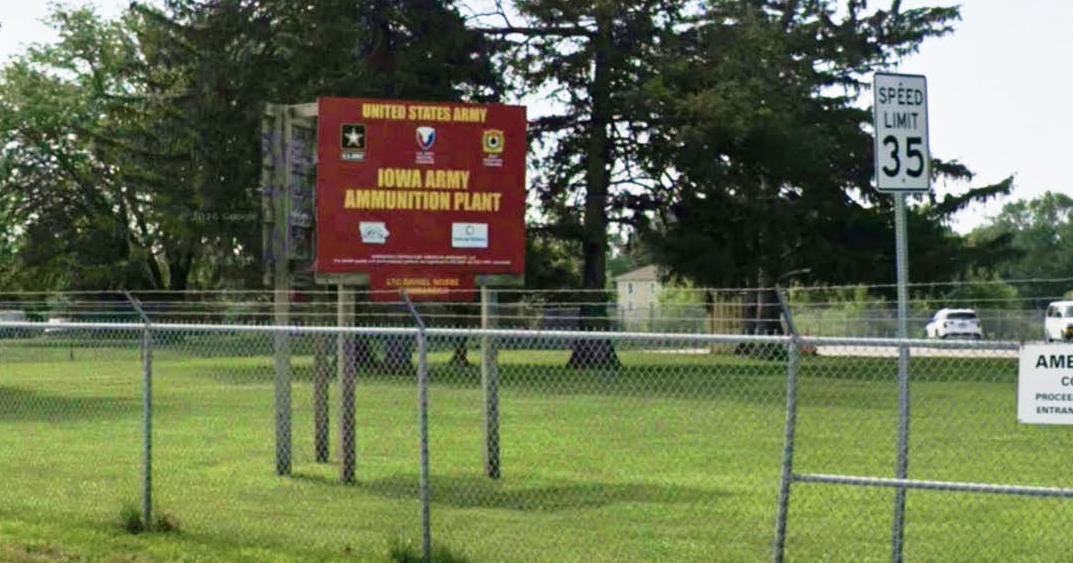
Court Orders Sunday Response on Iowa Army Plant Lead Azide Detonation Plan
The Iowa Army Ammunition Plant near Middletown could detonate nearly 10,000 pounds of unstable lead azide as early...
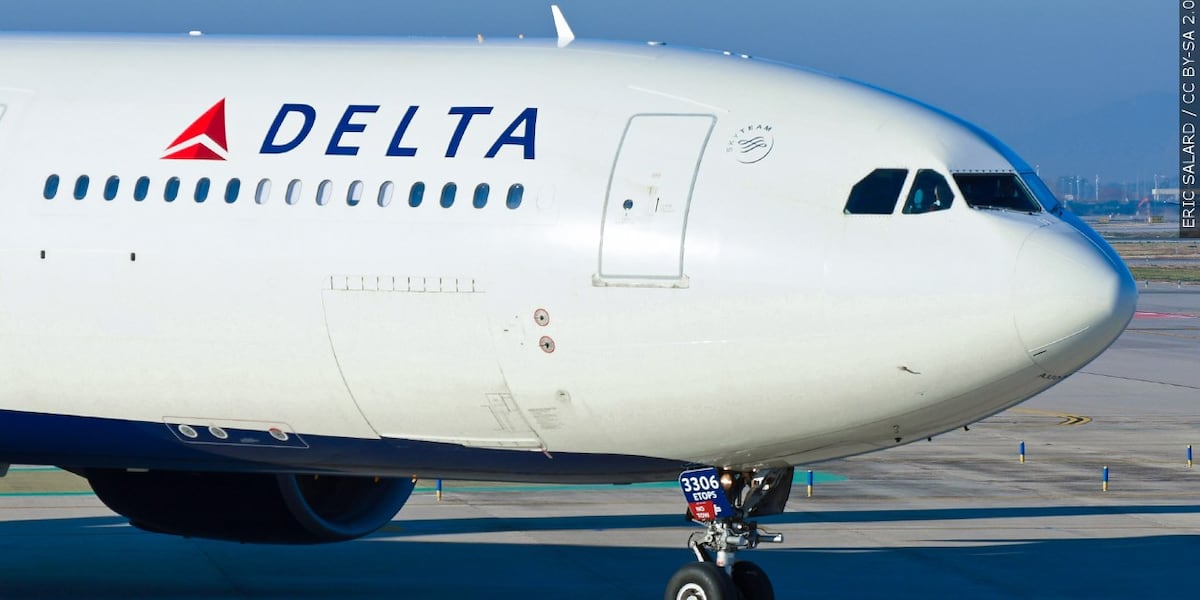
Delta Automation Failure Halts Atlanta Flights Before Thanksgiving
An automation failure halted Delta Air Lines flights to Atlanta on the Sunday before Thanksgiving, stranding thousands at...