
Kathy Hochul secures second term as Republican gains ground in New York City
Democratic Governor Kathy Hochul has won a second full term as the leader of New York State, defeating Republican challenger Bruce Blakeman by a double-digit margin. While Hochul maintained her stronghold within the five boroughs, the election results revealed a shifting political landscape as the Republican challenger, who had the backing of President Donald Trump, captured significant support in areas previously considered reliably Democratic.
According to preliminary tallies from the city’s Board of Elections, Hochul secured approximately 70% of the vote in New York City, totaling about 1.2 million votes. However, the Republican effort gained unexpected momentum within the city limits. As reported by Gothamist, the Republican challenger earned at least 514,000 votes, a notable increase in urban support compared to previous cycles. These figures remain unofficial, as the Board of Elections is required to certify the final results by December 15, 2026, once all absentee and mail-in ballots are processed.
The contest was largely defined by the state’s ongoing struggle with affordability. This economic tension is reflected in New York’s widening “K-shaped” economy, where millionaire income growth has surged since the pandemic while poverty rates continue to climb higher than the national average. With record numbers of residents relying on SNAP benefits and cash assistance, the cost of living became the central pivot point for voters across the metropolitan area.
Republican support expands into Brooklyn and Queens
While Manhattan, the Bronx, and northern Brooklyn remained firmly in the Democratic column, the map shows a fracturing of traditional voting patterns. The Republican candidate managed to pick up new supporters in Brooklyn and Queens, marking a departure from the 2018 gubernatorial race. In that previous election, former Governor Andrew Cuomo faced Republican Marc Molinaro, and the margins between the two candidates were much wider.
Data analyzed by Gothamist suggests that the Republican challenger secured roughly 200,000 more votes in New York City this year than Molinaro did in 2018. This growth was most visible in specific pockets of the city:
- Staten Island and South Brooklyn: These areas provided a decisive margin of victory for the Republican platform.
- Eastern Queens: The challenger successfully moved into territory once held by Cuomo, including parts of College Point, Bayside, and Kew Gardens.
- The Rockaways: This coastal community also saw a shift toward the Republican candidate.
This shift comes despite a lower overall voter turnout compared to 2018. During that cycle, more than 2 million voters—about 41% of registered voters—cast ballots, largely driven by the political energy following the 2016 presidential election. In this most recent contest, preliminary counts show 1.6 million voters participated, representing about 36% of active city voters. Even with lower turnout, the ability of the Republican candidate to capture nearly 47% of the statewide vote—and a significant chunk of the city—has prompted members of the progressive wing of the Democratic Party to view the results as a warning sign.
The economic stakes for these shifting neighborhoods are high. As the city grapples with disparate wealth distribution and rising costs, the political movement in areas like eastern Queens and southern Brooklyn suggests that the electorate is increasingly responsive to messaging centered on the immediate financial pressures facing middle- and lower-income households.
The finality of the election remains pending the counting of remaining affidavit and mail-in ballots. Until the Board of Elections completes its certification process in mid-December, the exact scale of the geographic shifts in the five boroughs may still fluctuate.

1,800 Ballots Uncounted in Salem County Due to Scanner Breakdown
Salem County Commissioner Races Unresolved After Election Night Scanner Breakdown Two crucial Salem County commissioner races hung in...
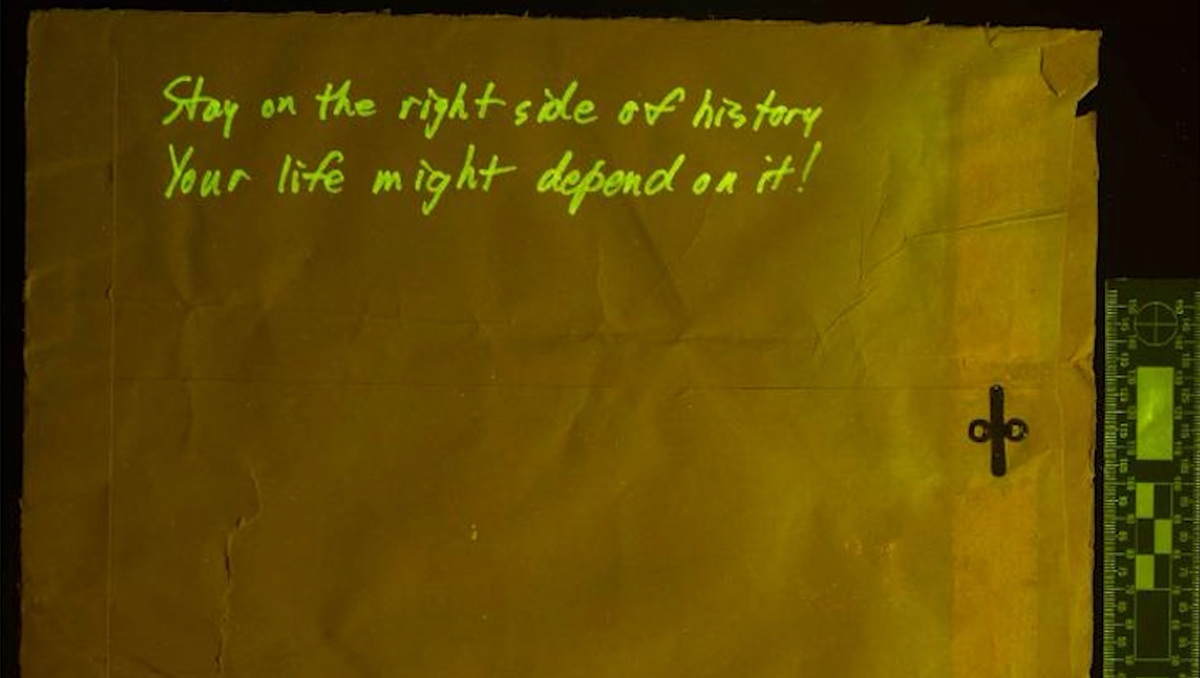
Oklahoma City man faces felony counts for hoax mailings to officials
"Sen. James Lankford says intercepted suspicious letter failed to intimidate," KOCO reported as federal authorities untangled a mail...

Amy Acton Elected as First Female Governor of Ohio
Amy Acton Wins Ohio Governor's Race, Breaking 16-Year Republican Hold Amy Acton was elected governor of Ohio on...

Julie Fedorchak Wins Reelection to U.S. House in North Dakota
North Dakota voters have returned U.S. Rep. Julie Fedorchak to Washington for a second term in Congress, handing...