
In a room full of North Dakota’s most influential leaders, U.S. Health and Human Services Secretary Robert F. Kennedy Jr. made one number crystal clear: $1 billion. That’s the figure he pledged for the Indian Health Service during a stop in Bismarck on Thursday, a move aimed at tackling what he called a rural health care crisis that is, in many cases, a matter of life and death, Valley News Live reported.
A Billion-Dollar Lifeline for Tribal Lands
Kennedy’s announcement wasn’t just a talking point; it was a direct response to the escalating crisis facing rural and tribal communities. He placed the blame squarely on staffing shortages, a problem so severe it’s forcing hospitals to shutter their doors across the country. These closures, he explained, are far more than just the loss of a building. “But these hospitals play a critical role in these communities,” he said, painting a picture of their importance. “The largest payer in the community, the highest salaries in many of these communities, and they are cultural centers, they’re centers really just centers of the soul of the community.”
The event brought together a powerful lineup of state and federal officials, including Sens. Kevin Cramer and John Hoeven, Rep. Julie Fedorchak, and former North Dakota Gov. Doug Burgum, now the U.S. Secretary of the Interior. The discussion quickly expanded beyond funding to the root causes of poor health outcomes, particularly in tribal areas. “A healthy nation, you have to have healthy food,” Burgum stated, a simple premise with a complex reality.
The Silent Crisis: Food and Disease on Tribal Lands
Burgum dove deeper, highlighting a stark reality: food deserts are a persistent problem on tribal lands. This lack of access to nutritious food has created a devastating feedback loop with chronic disease, he noted. "Rates of chronic disease, particularly diabetes, are higher in tribal country than in the rest of the nation," he said, illustrating the severity of the situation. “It’s very high in tribal country.” This connection between diet, environment, and health is a critical piece of the puzzle that funding alone cannot solve.
Kennedy revealed that about 40% of medical students who complete their residencies in rural areas choose to stay for their entire careers. It’s a powerful retention rate that the administration is now looking to build upon. “We’re doing all kinds of residency programs to encourage that,” he said, indicating that investment in training and placement is just as important as direct financial aid.
For his part, Sen. Hoeven emphasized the need for a collaborative approach. He expressed a wish for a more robust alliance between North Dakota Health and Human Services, the federal Health and Human Services Department, and local providers on the ground. This focus on cooperation appears to be yielding some results; since August, North Dakota Health and Human Services has announced nearly $60 million in funding opportunities and programs aimed at transforming rural health.
These roundtables are a chance to hear from people and the issues that matter to them.
— U.S. Health and Human Services Secretary Robert F. Kennedy Jr.
The crisis is not new, but the scale of the proposed response is. The stakes, as Kennedy noted, are life and death for entire communities.
While the focus was on solutions, the underlying problems are deeply entrenched.
Kennedy’s visit to Bismarck showed the fragility of the health care infrastructure in rural America.
Keep reading

Oklahoma Republicans Win All Seats but Lose Congressional Influence
Oklahoma's Congressional Influence Diminishes as Democrats Gain Control Oklahoma Republicans won every congressional seat on Tuesday, but a...

Sports Illustrated: Scoot Henderson trade rumors swirl amid struggles
Scoot Henderson's Struggles Put Portland's Title Hopes at a Crossroads The Portland Trail Blazers are the best team...
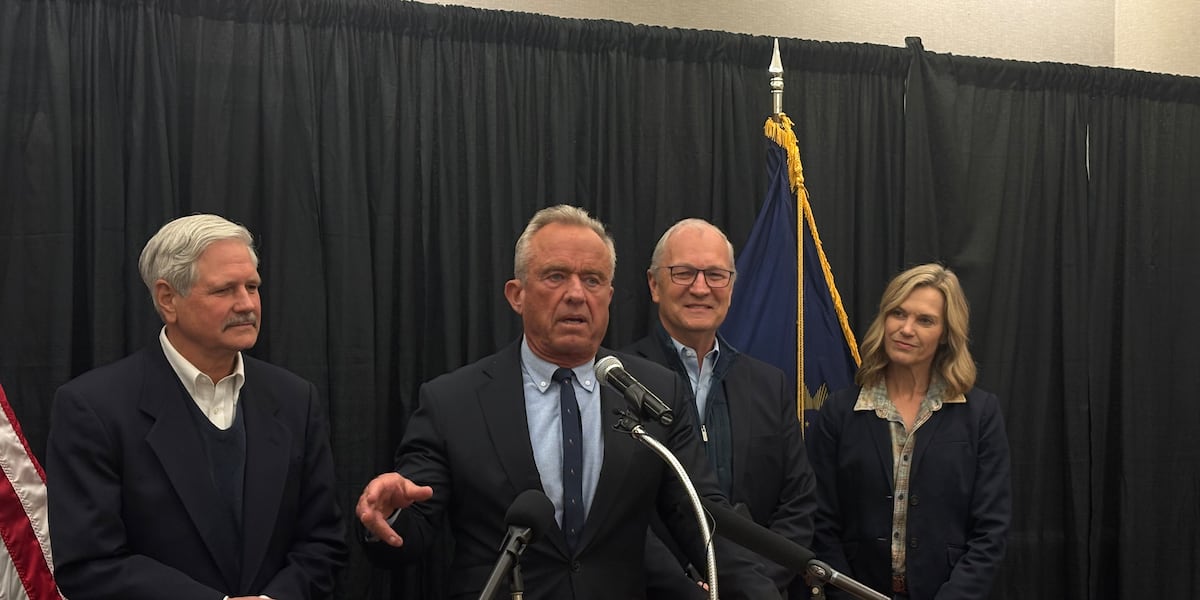
RFK Jr. Meets North Dakota Leaders to Discuss Rural Healthcare Access
RFK Jr. meets North Dakota leaders to discuss rural healthcare transformation U.S. Health and Human Services Secretary Robert...

Oregon State University Announces Veterans Week Events
OSU Kicks Off Week of Events Honoring Veterans For more than 2,000 students, faculty, and staff with military...