
Los Angeles Unified School District quietly disabled Google’s AI Overview search feature on school-issued devices earlier this month, making it the largest U.S. district to sideline the tool amid a standoff over whether schools can keep Google Search while rejecting its AI-generated summaries.
The move followed a Nov. 13 meeting of the district’s AI committee where members of Schools Beyond Screens LA, a parent group advocating screen-time limits, pressed officials on the issue. By Monday, Nov. 17, the AI summaries had disappeared from student Chromebooks, US News & World Report reported. “It was the talk of the playground,” said Bridie Lee, a leader of the group.
Google ties Search to AI
The friction stems from Google’s position that its AI Overviews — summarized answers inserted at the top of search results since 2025 — cannot be separated from the search engine itself. In early November, Google announced it would turn off its Gemini chatbot and other AI tools by default for K-12 accounts starting early next year, requiring administrators to opt in.
But Chris Phillips, Google’s vice president for education, told The New York Times that “Search and AI are deeply integrated.” If a school bans AI entirely, he said, students “will not have access to search, and they’ll see a message from their school that indicates it’s not available.”
Districts push back
Los Angeles and New York City, the nation’s two largest districts, both announced one-year moratoriums on student use of generative AI in September. New York’s ban covers elementary and middle school students; Los Angeles extended it to all K-12 grades. Both said the pause would allow time to develop policies.
Other districts are testing workarounds. Fairfax County Public Schools in Virginia has developed plug-ins to strip AI summaries from Google search results, according to multiple published reports cited by US News & World Report.
Chicago Public Schools, the fourth-largest district, began blocking AI tools including ChatGPT, Claude and Gemini on Dec. 22, 2025, under Illinois’ student data privacy law. We don’t want your Gemini,” Fortune reported. A CPS spokesperson told the Chicago Sun-Times the district is “actively exploring all options to independently suppress” AI Overviews and will “look to other search solutions” if Google will not provide an AI-free version.”
Google employees petition against AI coercion in schools
Internal resistance has surfaced as well. Earlier this month, hundreds of Google employees signed a petition urging leadership to let schools disable AI features “without disrupting their ability to use search as a whole.” The petition said the company’s stance “makes Google, and our Education and Search products as a result, look like we’re punishing schools for not using AI.”
Former Federal Trade Commission Chair Lina Khan said in a statement to The New York Times that Google was using its “search monopoly to coerce schools” into adopting its AI, adding that multiple courts had found the company liable for violating antitrust laws. “This latest move shows it remains unchastened,” she said.
Google ties search access to AI adoption
Chris Phillips, vice president for education, said schools that block AI entirely will lose student access to Google Search and see a message that it is not available.
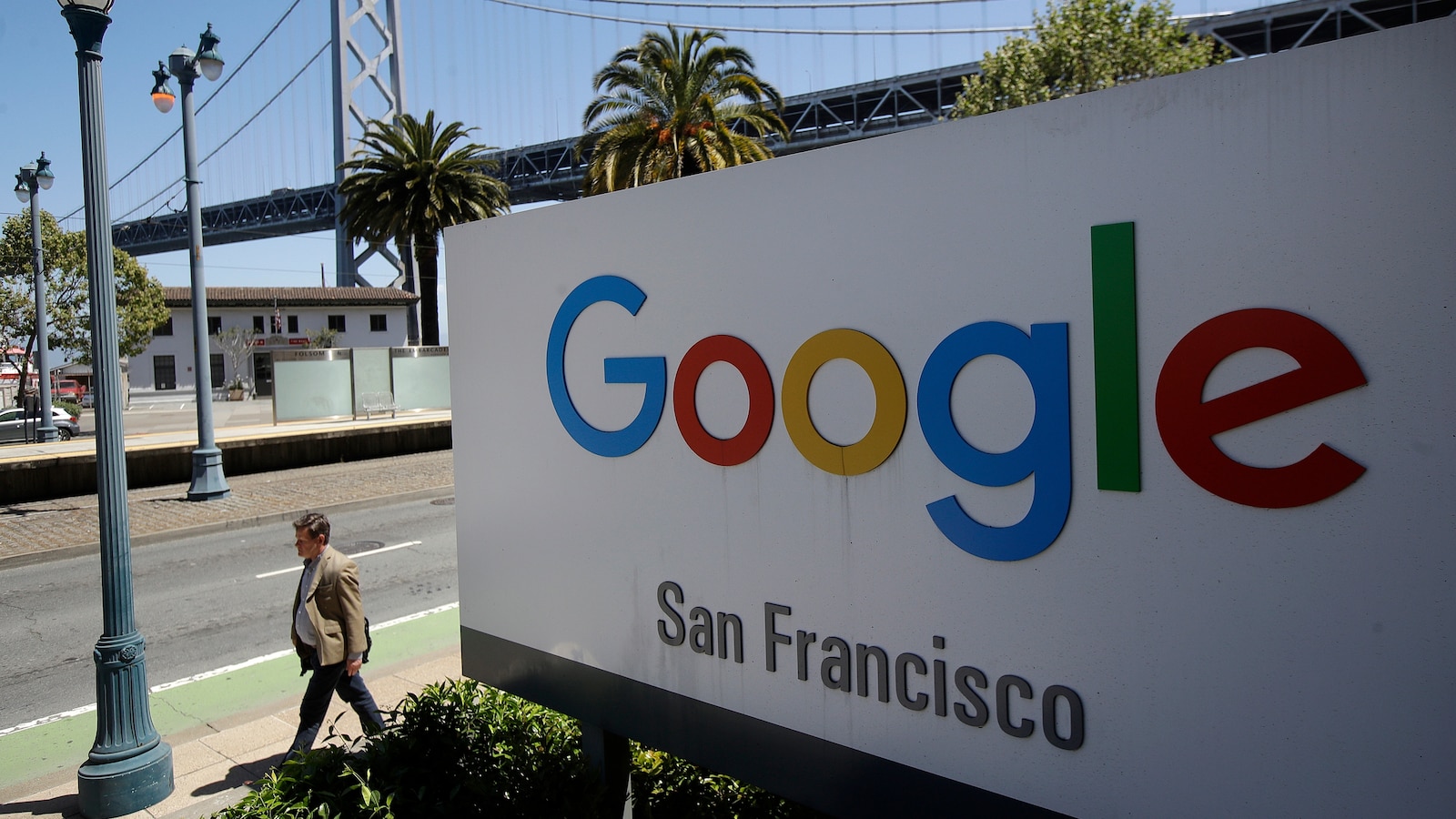
In recent months, Google has promoted its Gemini chatbot as a valuable educational tool for lesson planning and personalized tutoring.
Districts test workarounds and alternatives
Fairfax County Public Schools in Virginia has developed plug-ins to strip AI summaries from Google search results, according to multiple published reports cited by US News & World Report.
Los Angeles Unified School District, which served 565,479 students during the 2022–23 school year, disabled Google’s AI Overviews on school-issued Chromebooks by Nov. 17, cutting off the summarized answers for its entire K-12 population. The move makes it the largest U.S. district to sideline the feature while keeping Google Search, directly challenging the company’s stance that the two cannot be separated.
LAUSD signals willingness to switch
Jack Kelanic, Los Angeles Unified’s chief information officer, told the district’s AI committee last week that the district had already disabled Google’s AI Mode — a chatbot-style search interface — at the start of the school year. “We understand this as a deeper embedding of AI into the education suite,” Kelanic said.
He added, to applause, that the district is not bound to Google’s products: “We have choices. We can change the default search engine literally overnight.”
LAUSD confirmed to US News & World Report that it temporarily suspended AI Overview to ensure student experiences are “age-appropriate and safe,” and said it continually evaluates digital safeguards including third-party tools. The district has not said how long the suspension will last.
More on Google Search
Worth a look

Red Sox Acquire Nick Fortes From Rays to Back Up Adley Rutschman, Designate Connor Wong for Assignment
The Boston Red Sox acquired veteran catcher Nick Fortes from the Tampa Bay Rays on November 18, 2026,...

Robert Stalcup, 94, of Blacksburg, Dies Sept. 14, 2026
Robert James Stalcup, 94, of Blacksburg, Virginia, departed this earthly life on September 14, 2026. Born November 9,...

Murauskas Extends Historic 20-Point Streak as Sun Devils Fall to South Carolina
Paulius Murauskas scored 29 points and grabbed eight rebounds as Arizona State fell to South Carolina, Sun Devil...

Wilmington Chamber Elf Contest Raises $6,000 for 300 Families by Jan. 5
Donation boxes for the Wilmington Chamber of Commerce’s annual Elf Contest are now at the checkouts of 34...