
Hamilton county ballots remain in limbo after Frank LaRose declined to break partisan ties over provisional votes on Friday.
The uncertainty hangs heavy over razor-thin races in Hamilton and Delaware counties, where up to 740 provisional ballots could shift outcomes for Republican state Rep. Cindy Abrams in Hamilton County and a county commissioner race in Delaware County.
This isn’t just procedural squabbling; it directly impacts local political representation and the faith voters have in the election administration process across Ohio.
Local Races Face Unresolved Vote Status
Election officials in Hamilton and Delaware counties split on counting ballots from registered voters who moved between Ohio counties but voted at a local polling location instead of the county board of elections.
Frank LaRose, Ohio Secretary of State, stated in letters sent to election officials on November 20 that he couldn’t make a substantive decision because the matter wasn’t suitable for a tie-vote determination.
“Because I find that this matter is not suitable for a tie-vote determination, I will not issue a substantive decision,” said Frank LaRose.

The Weight of Provisional Votes
For Cindy Abrams, who led by just 19 votes in unofficial results, the potential tally of those 740 provisional ballots is critical, though the impact remains unconfirmed.
In Delaware County, Republican Renee Vaughan holds a narrow unofficial lead over Democrat Ryan Grissinger in a county commissioner race, adding another layer of localized contestation.
Jen Miller, executive director of the League of Women Voters of Ohio, expressed deep concern over the procedural blockage.
“These ballots should not be thrown out simply because they were filled out at a polling location rather than a board of elections. Poll workers gave them these instructions in good faith and these Ohio voters followed the instructions that were given to them.”
said Jen Miller, executive director of the League of Women Voters of Ohio.
The Road Block to Counting
LaRose’s office advised county election boards that they needed a 3-1 majority vote to count those ballots, meaning a partisan division stalls the process.
At an emergency meeting on November 20, Democrat Alex Linser motioned to approve the ballots while keeping them separated should a court intervene, but that motion was rejected, according to the Cincinnati Enquirer.
Legal Review Guides Next Steps
The board won’t count the ballots unless a court issues an order, as noted by the Cincinnati Enquirer.
LaRose also directed attention toward the Ohio Supreme Court, which is reviewing a legal challenge concerning a GOP state legislative candidate in Toledo’s Lucas County, though those officials there confirmed they already counted their ballots.
Voter Trust Under Scrutiny
The argument against discarding these votes rests on the good faith of poll workers giving instructions and voters following them, a point the League of Women Voters of Ohio stressed.
The opposing view, detailed by the yahoo.com coverage, suggests Ohio law requires out-of-county voters who move into a county to register and vote at the board of elections, a stance taken by Republican board members like Alex Triantafilou on November 17.
The ability of board of elections staff to begin counting the roughly 8,000 provisional ballots not rejected is contingent on a court directive, as reported by the yahoo.com coverage.
The specifics of the split, where Democrat Alex Linser and Joe Mallory support counting the votes, but Republican board members Alex Triantafilou and Chip Gerhardt favor rejection, illustrate the deep political schism over administrative procedure, as detailed in the yahoo.com coverage.

Tim Townsend Passed Away on November 17, 2026 in Topeka, KS
Tim Townsend, 68, passed away on November 17, 2026, in Topeka, KS, just one week after wishing to...

Gene Mentzer Passed Away Friday, November 20, 2026, in Crooksville, Ohio
Gene Mentzer, 77, passed Friday, November 20, 2026, at his Crooksville, Ohio home. He was born August 23,...
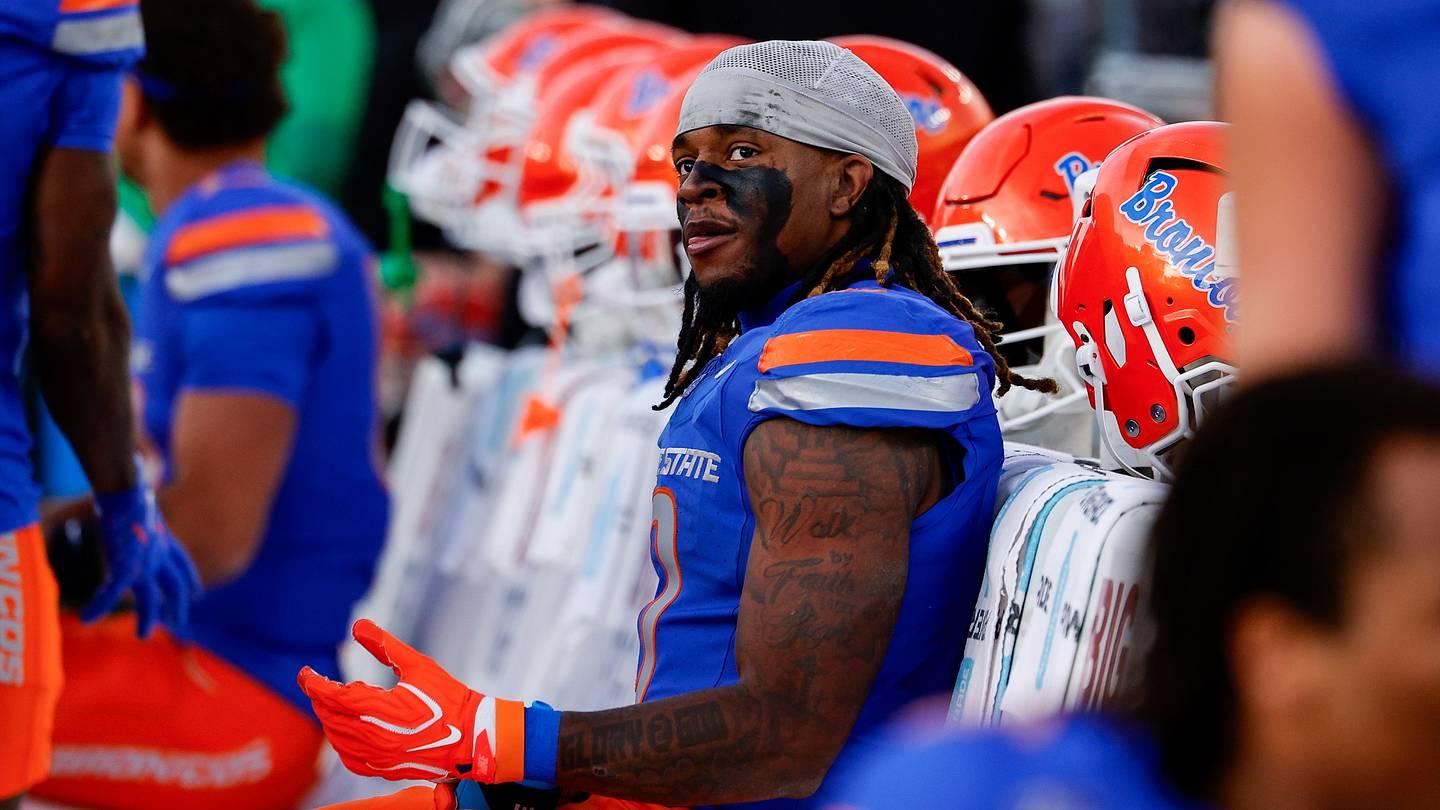
SDSU vs Boise State Football on Nov 21 at Albertsons Stadium
San Diego State at Boise State football kicks off on Saturday, November 21, at 6:30 p.m. PT at...
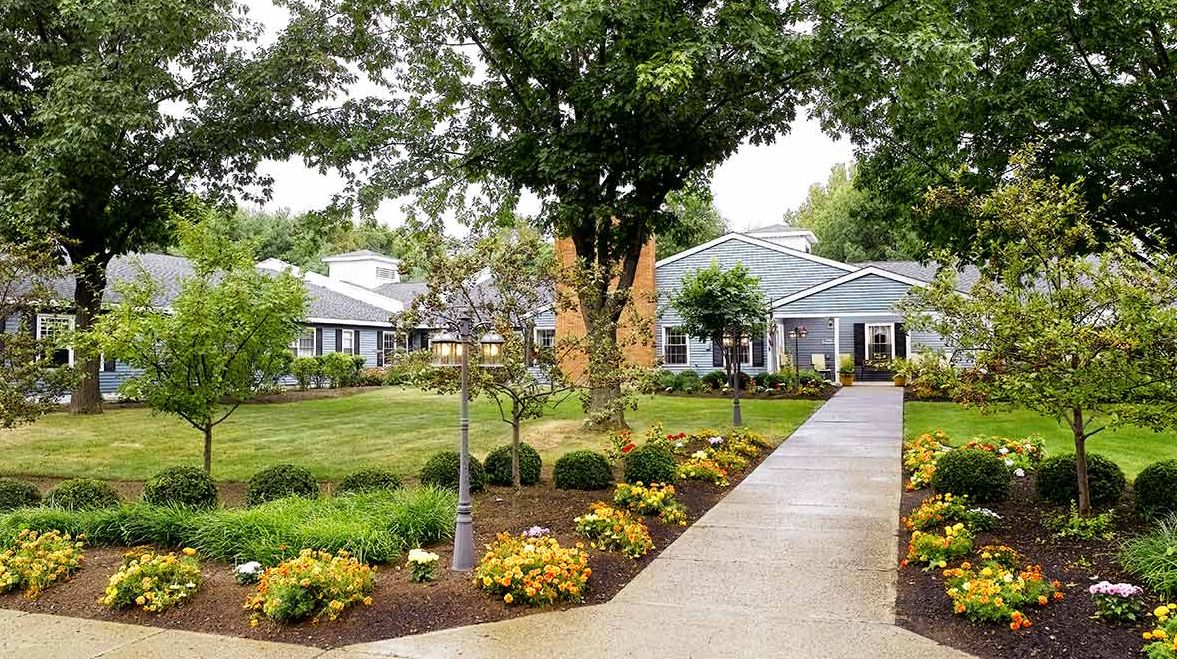
Peregrine Crossgate in Albany, NY Has Active Licenses and 4.8-Star Rating, per Being Patient
Peregrine Crossgate carries an active Enriched Housing Program license and a 4.8-star average from 34 online reviews as...