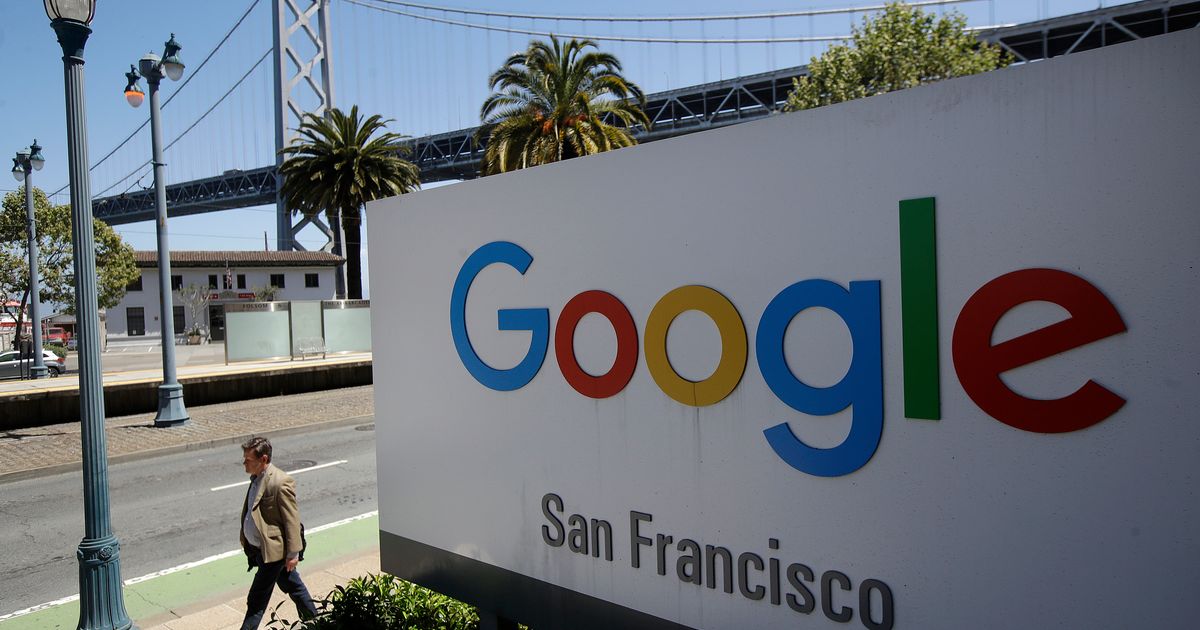
Los Angeles Unified School District quietly disabled AI Overview on school-issued devices the Monday after a Nov. 13 board committee meeting, making the nation’s second-largest district the biggest yet to sideline Google’s AI search summaries, WRAL reported.
The move caught parents and students by surprise. “It was the talk of the playground,” said Bridie Lee, a leader of Schools Beyond Screens LA, which had members speak at the Friday meeting. By Monday, the AI-generated summaries were gone from Google search on district Chromebooks. Lee said the group verified the change through parent-submitted screen recordings and district confirmation, though officials offered no details on how it was done or how long it will last.
LAUSD enrolls roughly half a million students and relies heavily on Google’s ecosystem, from low-cost Chromebooks to Google Classroom and Docs. In a statement, the district said it temporarily suspended AI Overview to ensure student experiences are “age-appropriate and safe,” adding it continually evaluates digital safeguards including third-party tools. WRAL reported the district likely used such a tool to disable the feature.
Google says search and AI cannot be separated
The standoff centers on Google’s position that AI Overview — introduced in 2025 — is now an inseparable part of its search product. Chris Phillips, Google’s vice president for education, told The New York Times: “Search and AI are deeply integrated.” If schools ban AI, he said, students “will not have access to search, and they’ll see a message from their school that indicates it’s not available.”
That stance has forced districts into a binary choice: accept AI in search or lose Google search entirely. Fairfax County Public Schools in Virginia has developed plug-ins to strip AI summaries from student searches, according to multiple published reports cited by WRAL. LAUSD’s chief information officer, Jack Kelanic, told the board’s AI committee last week that the district is not bound to Google’s products. “We have choices,” Kelanic said, to applause. “We can change the default search engine literally overnight.”
From Gemini rollout to employee petition
The friction escalated in August when Google turned on its Gemini chatbot for many K-12 students using Google Classroom.
Weeks later, New York City and Los Angeles announced one-year moratoriums on student use of generative AI. New York’s ban covers elementary and middle school students; Los Angeles extended it to all K-12 students on school devices. Both districts said the pause would allow time to develop AI policies this academic year.
In early November, Google backtracked. It published a blog post saying it would turn off Gemini and all search tools by default for K-12 schools in coming months, requiring administrators to opt in to each tool. But the option to use search without AI was not offered. The company also announced a pilot “guided learning” tool designed to walk students through complex problems step by step rather than delivering quick answers.
Hundreds of Google employees signed a petition this month urging leadership to allow schools to disable AI features “without disrupting their ability to use search as a whole,” WRAL reported.
“The way the decision has been reported in the press is poor, and makes Google, and our Education and Search products as a result, look like we’re punishing schools for not using AI,” the petition said. “Many students, educators and parents have concerns about AI in the classroom… It is our job as Googlers to respect the user, and listen to them when they have concerns about our products.”
Activists call it corporate overreach
Lee called the district’s action a necessary pushback.
“AI is seeping into everything. It’s dangerous. It’s hurting learning. And it’s a corporate overreach into public schools. It’s Big Tech attempting to strongarm tech policy without anyone’s consent,” she told WRAL.
LAUSD had already disabled Google’s AI Mode — a chatbot-style search interaction — at the start of the school year on student devices, Kelanic said. Educators and staff retain access. The district’s next steps, and whether other large systems follow its lead, remain open.
Keep reading

Thanksgiving Storm Knocks Out Power, Floods Roads Across Queens
A Thanksgiving storm knocked out power to more than 100 homes in South Jamaica and flooded roads across...

Wyoming Suspends Coach Jay Sawvel Amid NCAA Review Ahead of UConn Game
Wyoming (7-4) self-reported the violations; defensive ends coach Brian Hendricks will serve as acting head coach. UConn (6-5)...

Vikings Must Beat Falcons to Be Taken Seriously as Contenders
The Minnesota Vikings host the Atlanta Falcons this week in a matchup the home side needs to win...

Hundreds Gather for Bayou Classic Parade in New Orleans
Hundreds gathered in downtown New Orleans for the annual Bayou Classic Thanksgiving Day parade, WVUE reported. The parade...