“Whatever policy gets enacted by the Legislature and signed by the governor is almost never a completed project,” said former New Jersey legislator John Wisniewski.
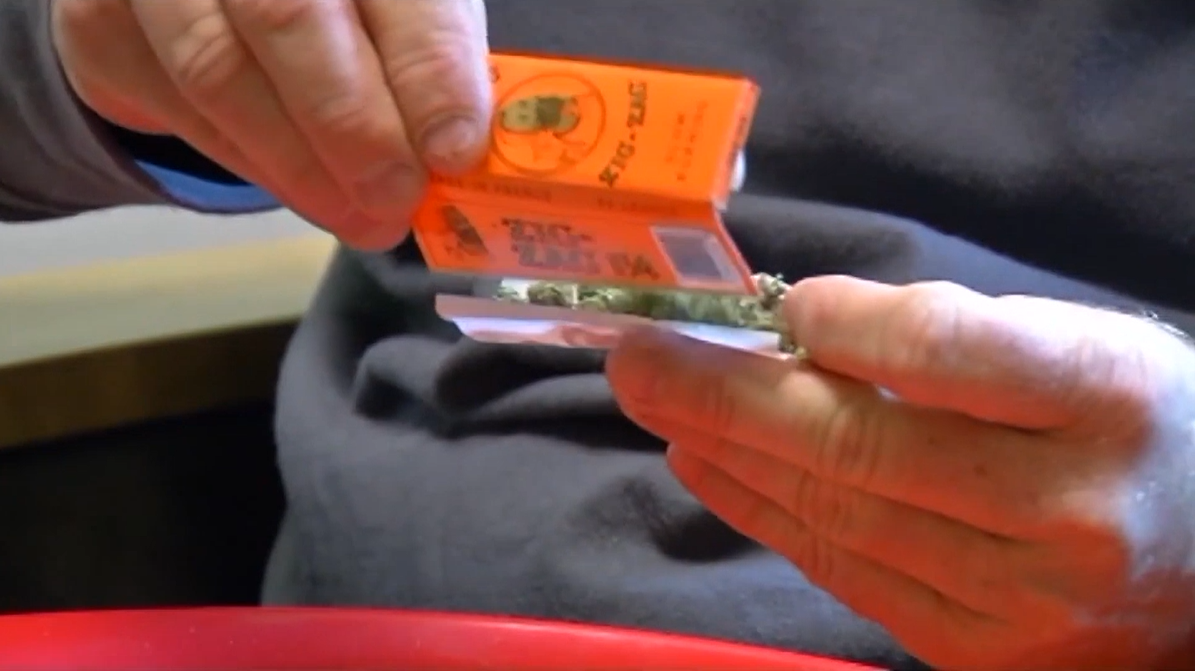
A new legislative push in New Jersey seeks to restrict recreational marijuana use for specific high-stakes professions, even when those individuals are off the clock. State Assemblyman Larry Wainstein and State Senator Brian Stack have introduced a pair of bills that would prohibit police officers, first responders, heavy equipment operators, and commercial driver’s license (CDL) holders from using marijuana during their personal time, New Jersey reported.
The proposal arrives as the state continues to grapple with the legal and practical fallout of its 2022 legalization of recreational marijuana. While any legal-age adult can currently visit a dispensary, the boundaries of “off-duty” conduct for public safety workers remain a volatile legal battlefield.
The tension between personal liberty and professional standards was highlighted by a recent conflict in Jersey City. After the city attempted to ban police officers from using marijuana both on and off duty, two officers who were terminated for off-clock use filed a lawsuit and won, according to reports from News 12.
This legal victory shows the difficulty of enforcing off-duty restrictions without clear, scientific benchmarks for impairment. Wisniewski noted that the legislation will likely face obstacles because the technology to detect active marijuana impairment does not match the reliability of alcohol breathalyzers.

“It’s going to run into some significant legal hurdles,” Wisniewski said. “This is an issue that is going to have to wait, maybe, for the science to catch up.”
Without a standardized method to differentiate between past use and active impairment, lawmakers face a difficult task in drafting language that survives judicial scrutiny.
The proposed restrictions would extend beyond law enforcement to include a broad swath of the state’s workforce, specifically targeting those operating heavy machinery or long-haul vehicles. This expansion shifts the debate from a matter of police discipline to a broader question of occupational safety and liability.
However, labor advocates and police representatives are pushing back against what they view as overreach. Pete Andreyev, president of the New Jersey State PBA, argued that an officer’s conduct outside of their professional responsibilities should remain protected under the law.
“Any change should be grounded in public safety needs, not assumptions or unnecessarily broad restrictions on the lawful conduct of New Jersey’s police officers,” Andreyev said.
The debate creates a sharp divide between those prioritizing the absolute safety of the public and those defending the lawful rights of workers in a legalized market. For the heavy equipment and trucking sectors, the stakes involve not just employment status, but the fundamental regulatory framework of the industry.
Both bills introduced last month have been referred to public safety committees for review. To become law, the legislation must pass two separate committees, pass a floor vote in the legislature, and receive the signature of Governor Mikie Sherrill.
The implications of the decision will be felt across multiple sectors of the New Jersey economy and public service infrastructure. As Wisniewski pointed out, the outcome will directly affect everyone from the people who provide emergency services to the citizens who rely on them.
Whether the science of impairment detection can catch up to the legislative intent remains the central, unanswered question in Trenton.
Keep reading

Democrats Eye Expanded Blue Wave Amid Uncounted Midterm Races
The 2026 midterms have delivered a political landscape that few analysts anticipated, with a significant shift in legislative...

Kirk Cousins Returns to Minnesota Vikings: How the Trade Impacts Super Bowl Odds
The Minnesota Vikings have acquired quarterback Kirk Cousins from the Las Vegas Raiders in exchange for a 2027...

Gov. Healey Appoints Aladdine Joroff as Massachusetts’ New Climate Chief
Governor Maura Healey has appointed Aladdine Joroff to serve as the new climate chief for the Commonwealth of...

Roux Girl Says Blue Crab Is Essential for Maryland Crab Dip
In a culinary feature for Roux Girl, Tini Younger argues that the secret to an authentic Maryland crab...