
When an 11-year-old boy with complex medical needs was moved from his mother’s care in Juneau to a foster home in Anchorage, the state’s child welfare agency described it as a necessary step for his specialized support.
Instead, that transition marked the beginning of a final year defined by distance, missed warning signs, and a tragic medical crisis. On November 2, a wrongful death lawsuit filed in Juneau Superior Court alleged that the Alaska Department of Family and Community Services (DFCS) and an Anchorage foster caregiver failed to protect Ronaldo Sosa-Flores, who died following a severe intestinal injury while in state custody.
Ronaldo, who required full-time supervision due to his disabilities, was found unresponsive on August 30. He was rushed to a hospital where surgeons discovered a perforated intestine; he passed away that same night from sepsis.
The lawsuit, brought by his mother, Mariella Sosa, contends that the state’s Office of Children’s Services (OCS) ignored clear red flags and failed to maintain the level of oversight required for a child with such high-acuity needs.
The Disruption of Local Care
The path to this litigation began in the summer of 2025, when OCS intervened after Sosa brought her son to Bartlett Regional Hospital for treatment related to weight loss. The agency successfully petitioned to have the boy declared a child in need of aid, arguing that his mother could not meet his specialized requirements.
Sosa, however, asserts that she complied with every agency request for additional training and support. Despite her efforts, reunification was blocked because she was staying at a women’s shelter—a living arrangement the state deemed unacceptable because it lacked unrestricted access for caregivers.
By December 9, 2025, the local placement in Juneau collapsed. With no other options available in the capital, OCS moved Ronaldo hundreds of miles away to Anchorage. This geographic separation made regular in-person visits nearly impossible, a factor Sosa claims exacerbated her son’s distress and weakened the agency’s ability to facilitate a stable environment.
The state’s own foster care policies emphasize the importance of keeping children near their families to preserve support networks. Yet, the reality on the ground often tells a different story.
As of September 2026, OCS reported 2,352 children in out-of-home care across Alaska, with 149 of those children in the Southeast region. The agency manages these placements through a network of 1,159 licensed homes and providers, but the lawsuit suggests that when local capacity runs dry, the system’s protective measures often break down.
Allegations of Neglect and Oversight Failures
The complaint outlines a series of alarming incidents that occurred after Ronaldo was placed with Anchorage caregiver DeAundria Williams. In May 2026, Ronaldo was hospitalized with a fever and significant weight loss—symptoms that mirrored the exact medical concerns that led to his initial removal from his mother’s home. Despite these parallels, the state did not remove him from the placement.
Sosa further alleges that during a video call, she witnessed Williams feeding her son corn dogs with the wooden sticks still inside. Because she knew her son struggled to distinguish food from dangerous objects, she explicitly warned the caregiver about the risk of intestinal injury. The lawsuit does not confirm that a stick caused the fatal perforation, but it highlights a broader failure in the state’s duty to supervise.
“Ronaldo was moved between several foster homes during the final year of his life, including one move following allegations of neglect.”
This is not the first time Alaska’s child welfare system has faced scrutiny. Earlier this year, the state successfully defended a separate federal class-action lawsuit that challenged the quality of foster placements and services.
A federal judge dismissed that case in March, and the plaintiffs withdrew their appeal in July. While that case dealt with systemic issues, the Sosa lawsuit focuses on a specific, devastating outcome: a child who entered the system with disabilities and died after being shuffled through multiple homes.
The Stakes for Vulnerable Families
The legal action filed by Sosa seeks more than $100,000 in compensatory damages, along with punitive damages and costs. More importantly, it raises a question that persists for many families caught in the foster system: how much accountability exists when a state agency takes custody of a child, only to place them in an environment that fails to meet their basic health needs?
The state and Williams have not yet responded to the claims in court filings. For now, the case remains an open legal dispute, leaving the specifics of the earlier neglect investigation and the internal OCS findings regarding Ronaldo’s death shrouded in the secrecy typical of child welfare proceedings.
What remains clear is the human cost of a system that, according to the complaint, prioritized bureaucratic convenience over the safety of a child who could not advocate for himself.
Related reading

Sydnie Grossnickle Named Maryland Farm Bureau Director of Government Relations
The Maryland Farm Bureau has named Sydnie Grossnickle as its new Director of Government Relations, according to American...
Louisiana Judge Issues Order Barring Prediction Markets in State
Kalshi customers in Louisiana received a message on Friday stating, “Your government says you can’t use Kalshi anymore,”...

North Carolina vs. Louisville Preview: A Win Could Clinch a Bowl Spot
Fans can watch the North Carolina Tar Heels host the Louisville Cardinals on Saturday, November 14, at 7:00...
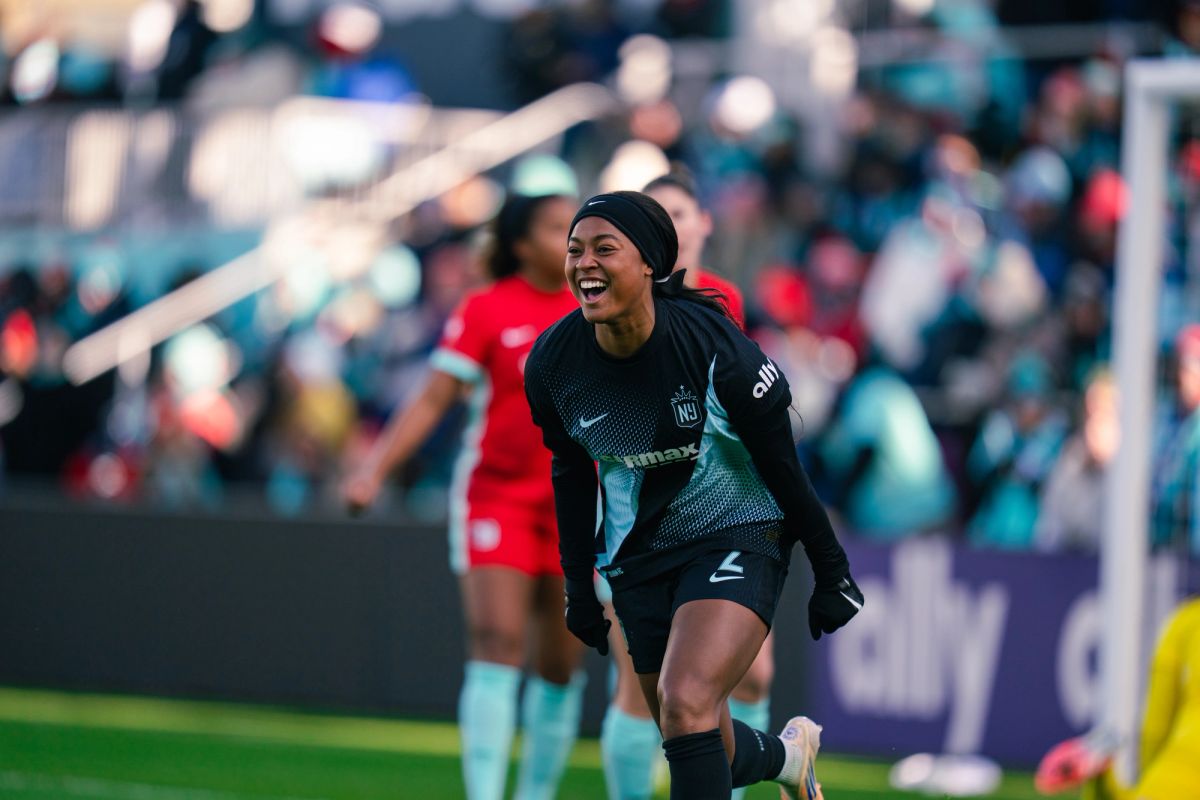
Gotham FC Hosts Kansas City Current in NWSL Semifinal Rematch
Gotham FC hosts the Kansas City Current this Sunday in a NWSL semifinal rematch that could decide whether...